
Research identifies significant increases in opioid-related emergency visits among injured workers, particularly in machining, construction and materials handling.

The rulemaking will consider heat hazards in every industry, with a preliminary draft expected before more meetings in 2027.
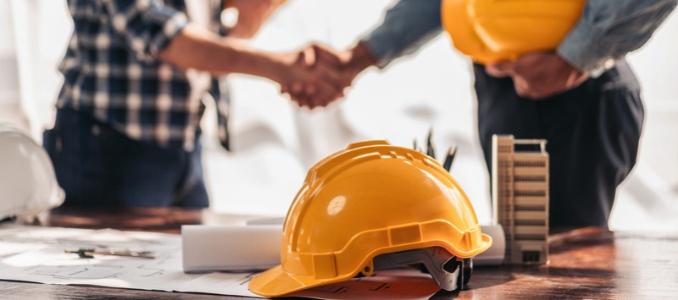
The agreement, which is not legally binding, covers joint training, technical briefings for federal and state OSHA staff, and resources in multiple languages on spotting and preventing SIF risks.
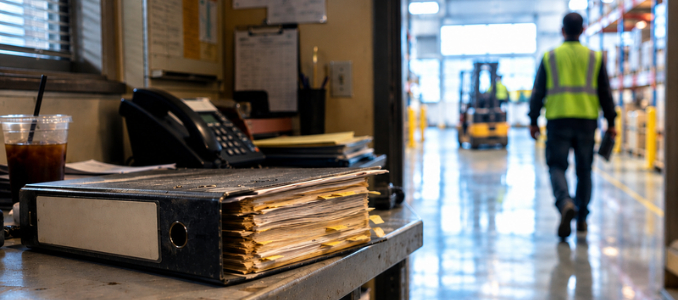
A hazard communication program takes more than just safety data sheets and labels. Here are the gaps that cause citations and how to close them.
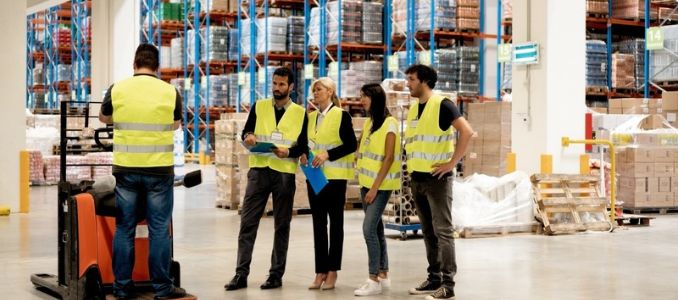
Warehouse workers and employers will receive free training materials on battery hazards after OSHA reviews and approves the curriculum.

Respondents linked unchecked AI output to incorrect filings, missed deadlines and failed audits, and teams that put sensitive data into personal AI tools reported problems far more often.
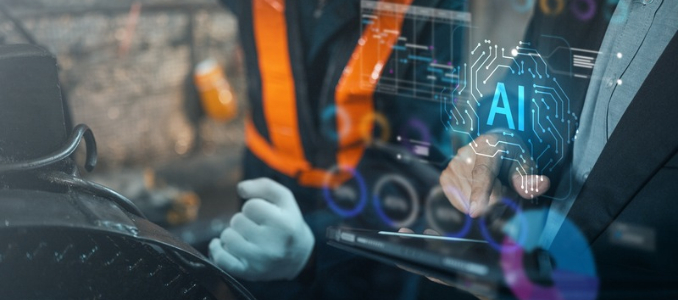
AI use in workplace safety is growing, but investment, data quality and organizational challenges remain barriers.
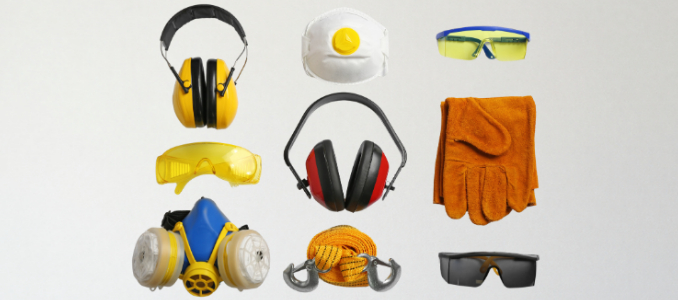
MIOSHA awarded $500,000 to 129 employers last fiscal year, with construction firms making up the largest share of recipients.
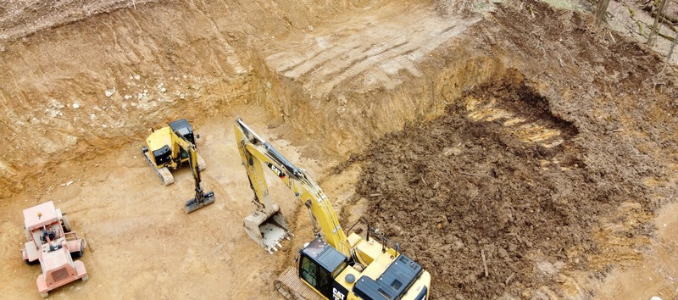
The companies face $648,094 in proposed fines, and three were cited for willful violations, meaning OSHA believes they knowingly ignored excavation safety rules.

The initial round is expected to support training for 631 workers, part of an estimated $4 million in federally funded grants.