
Organizers delay the Dubai workplace safety expo to May 2027 to ensure better planning conditions and stronger market support.
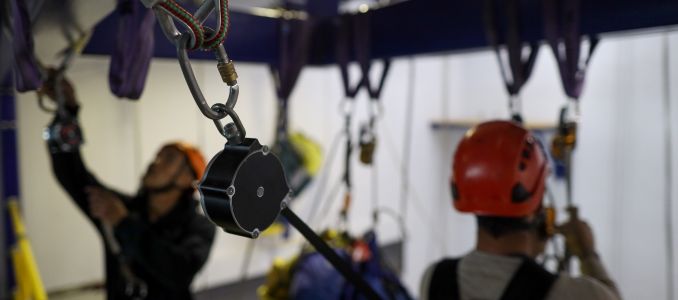
Personal protective equipment alone does not prevent height-related fatalities; combining standard hardware fundamentals with proactive behavioral planning creates a resilient site safety culture.
Federal safety data determines 27 mine operators and five contractors earning top honors for outstanding workplace safety performance.

Rising climate volatility forces industrial safety leaders to shift from reactive compliance toward engineered resilience using specialized anti-slip surfaces, precision climate systems, and continuous environmental monitoring.

Applications are open until July 31 for the annual awards recognizing outstanding environmental, health and safety professionals.
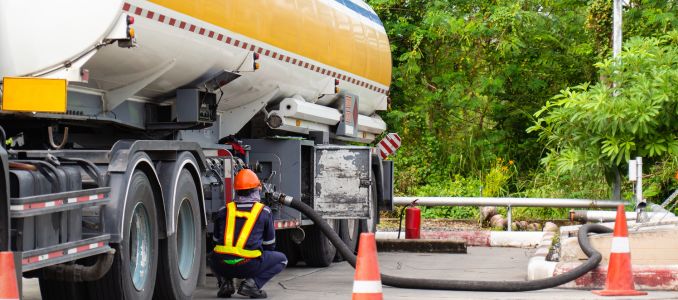
Federal regulators propose $264,380 in penalties after a worker asphyxiated while inspecting a tanker trailer at the Texas facility.
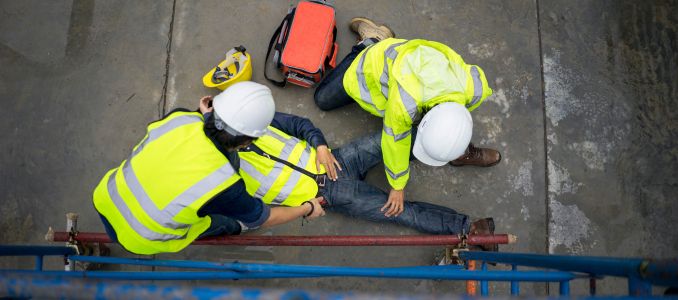
A state study reveals that 537 workers required immediate inpatient care in 2024, with construction and manufacturing seeing the most incidents.
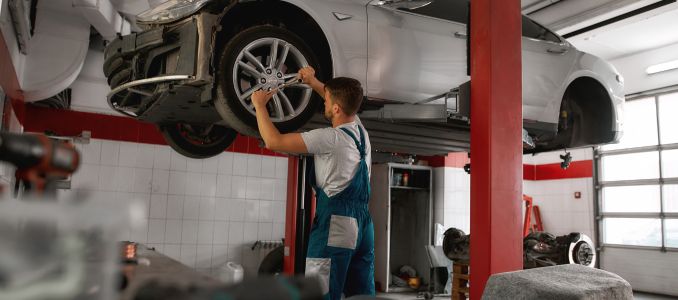
The automotive service provider will pay penalties and launch an anonymous employee hotline following a federal investigation.

Collaborative workshops at WorkSource Oregon centers will cover critical construction hazards, heat illness and worker rights.

New technology analyzes movement sequences in real-time to identify workplace safety hazards and security incidents.