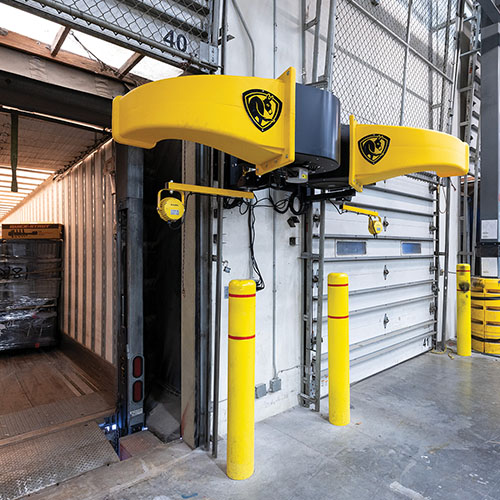
With over 2,000 CFM of high-velocity airflow, Velocity™ lowers the temperature inside a standard semi-truck by up to 14° in just three minutes—10x faster than any other trailer fan on the market. This powerhouse reaches 50 feet into the trailer and achieves 63% occupant thermal satisfaction — compared to 19% with standard fans. Hot, suffocating conditions don’t stand a chance as fresh, cooler air takes over, allowing you to cycle up to 6 additional trailers each day. Cooler Trailers. Safer Workers. That’s the Power of Velocity™.
https://bigassfans.com/industrialsolutions
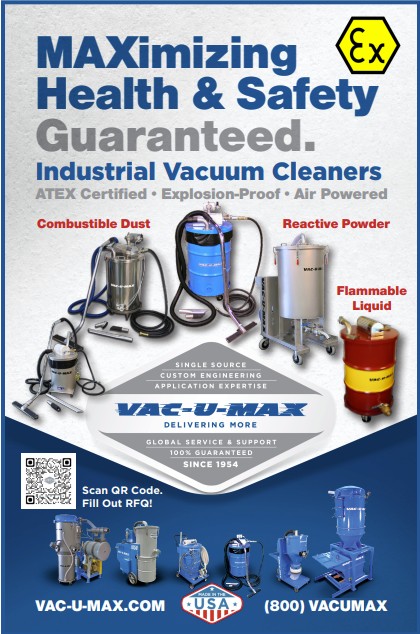
VAC-U-MAX designs ATEX-certified, explosion-proof, air-operated industrial vacuum cleaners engineered for hazardous environments. These systems safely recover combustible dust, reactive powders, and flammable liquids without electrical risk. Built for compliance, durability, and performance, VAC-U-MAX vacuums protect workers, facilities, and processes while delivering powerful, continuous-duty cleaning for the most demanding industrial applications worldwide across chemical, pharmaceutical, food, metalworking, energy, and manufacturing sectors.
http://www.vac-u-max.com
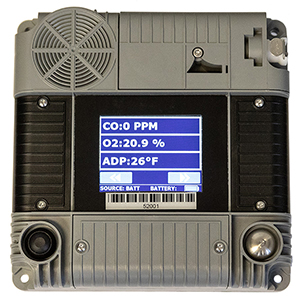
Air Systems International introduces the new Air Quality Monitor (AQM) for all Breather Box® portable filtration units, filtration panels, breathing air monitoring products, and high-pressure compressors. The AQM delivers modern digital functionality with durability and OSHA compliance. Designed to ensure Grade-D breathing air, the AQM provides reliable breathing air monitoring in demanding environments. Its intuitive touchscreen guides user’s step-by-step setup while tracking CO, O₂, and dew point levels in real time. With guided calibration, service reminders, and multi-language support, the AQM makes breathing air monitoring easier, safer, and more reliable than ever.
http://www.AirSystems.com/AQM
Kee Safety
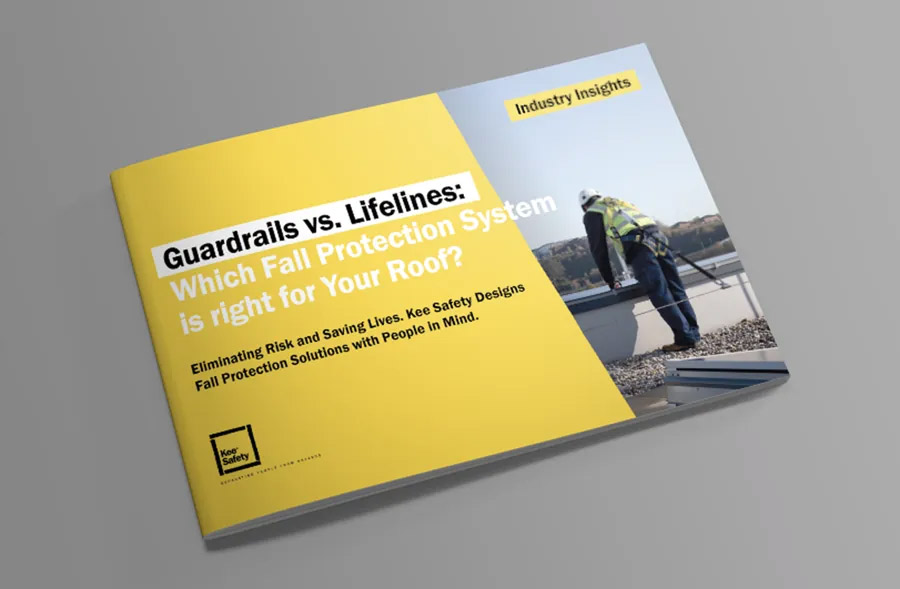
Roof-mounted fall protection isn’t just a compliance checkbox—it’s about understanding risk, assigning responsibility, and protecting people. This new Industry Insight from Kee Safety helps facility and property managers evaluate passive vs. active systems and determine which solution best fits their building-use, access frequency, and risk profile.
Key Takeaways
- Passive systems (guardrails) provide constant protection without relying on user behavior—ideal for high-traffic roofs or varied user populations.
- Active systems (lifelines) offer flexibility, but shift the burden to individuals (training, PPE, correct connection) and introduce risk of user error.
- A hybrid strategy may be the best choice: deploy guardrails in frequently accessed zones, and use lifelines where access is intermittent or space is constrained.
- Considerations for decision-makers include access frequency, user training/turnover, maintenance burden, clearance requirements, and long-term costs.
Why It Matters
Choosing the wrong rooftop fall-protection system can increase liability, increase administrative overhead, and degrade safety performance. This paper features practical risk assessment guidance and highlights how anchoring the choice in facility realities—not just product features—leads to safer outcomes.
Learn More