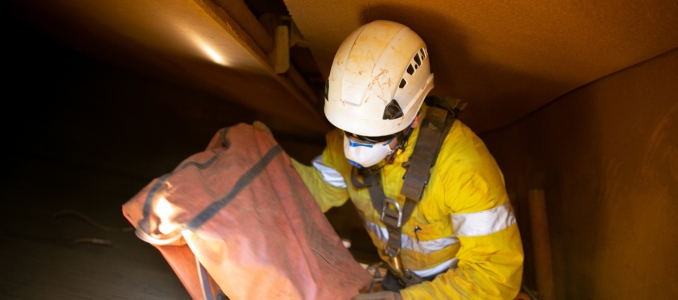
A federally funded project will assess dust exposure, respirator performance and comfort at Georgia concrete plants.

More than 160 employees have trained to help colleagues during medical emergencies along a remote Canadian rail network.

A companion report lays out five steps for judging a safety technology investment, from checking an organization's readiness to winning support from leadership.
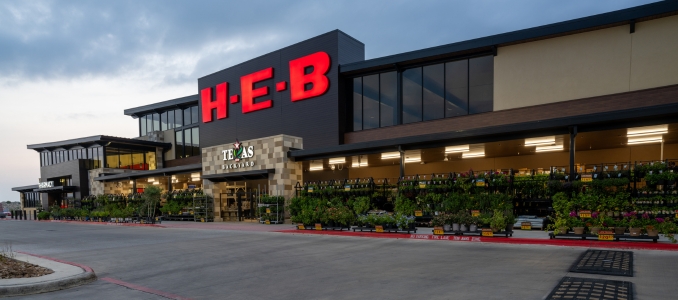
Two of the three alleged violations are rated serious, and the penalty total now on record is higher than the amount first proposed.
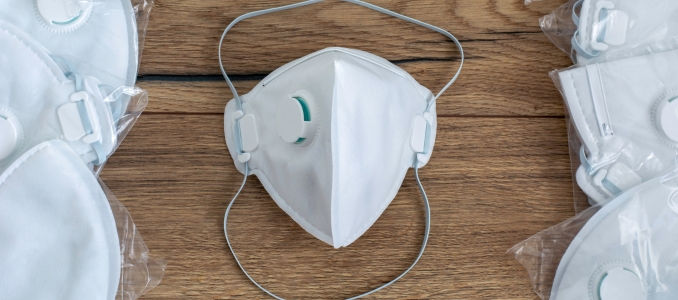
Suggested steps include pulling 40 units at random from each production lot, running three pass/fail lab tests and checking storage conditions when units fail.

The agency says limited experience, too little safety training or supervision and reluctance to speak up may explain why young workers are injured more often.

The week runs May 3-7, 2027, and will look past physical hazards to focus on each worker as a whole person.

Auditors plan to begin work as soon as an entrance conference with OSHA is held to go over the review's goal, scope and methods.
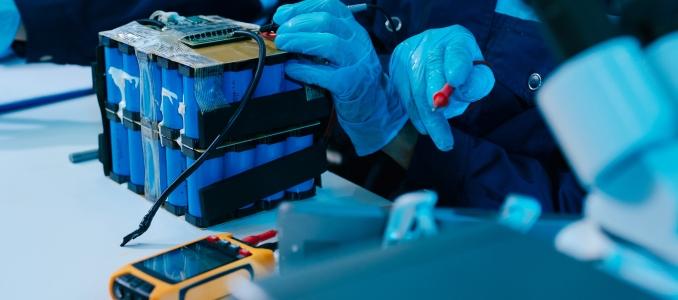
Information for employers and workers draws on national consensus standards, OSHA standards and existing guidance, the agency said.

Vehicle owners can get a civil citation or warning only for speeding recorded while crews are present, and citations can start Nov. 16 at the earliest.

Workers report mistakes in AI-assisted safety documents, raising concerns about oversight and accountability.
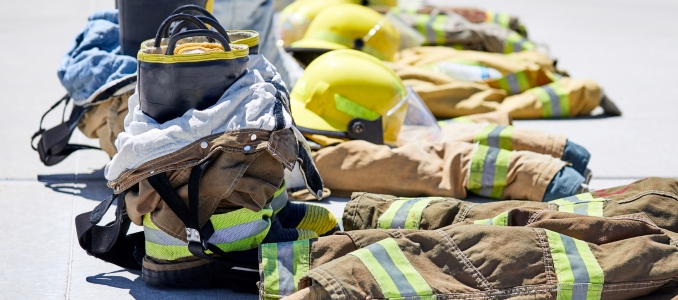
Planned resources for the firefighter toolkit, which is still in development, include train-the-trainer materials and educational guides.
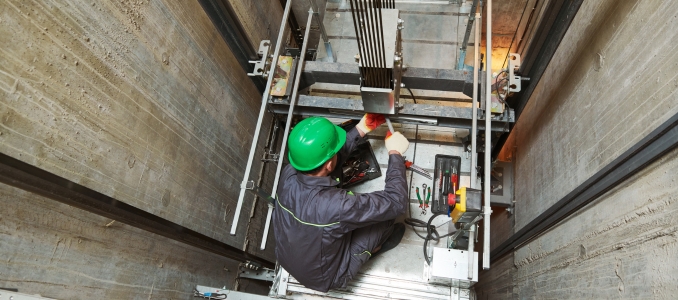
State data underscores the importance of equipment inspections and safe operation across workplaces and public facilities.
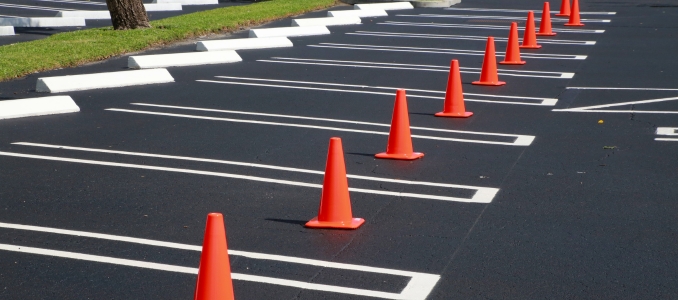
The Tennessee agency urges employers to inspect parking areas and address lighting, pavement and vehicle hazards.

Revised guidance emphasizes threat assessment, early intervention and management accountability to improve workplace safety.
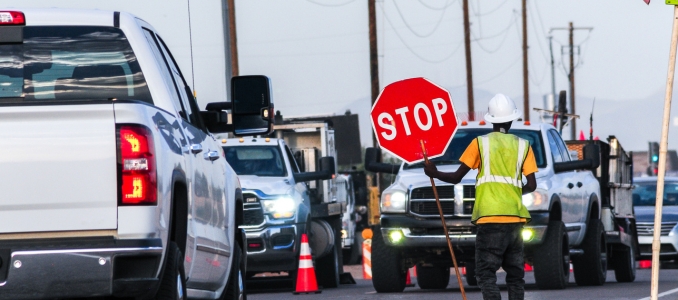
Drivers can help protect utility workers by reducing speed, changing lanes when safe and staying alert near roadside operations.
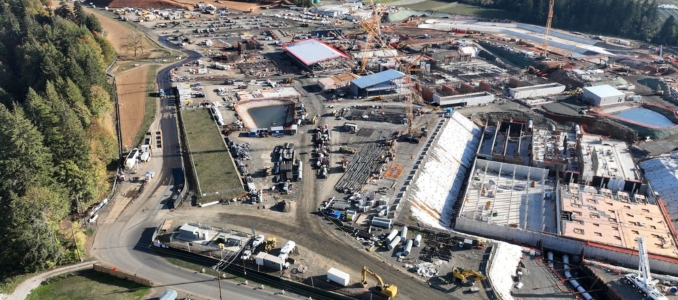
No lost-time injuries or accidents occurred during the filtration facility site's first three years, and evaluators pointed to its top-to-bottom safety culture.