The renewed charter runs two years from its filing date, but the committee itself has no set end date.
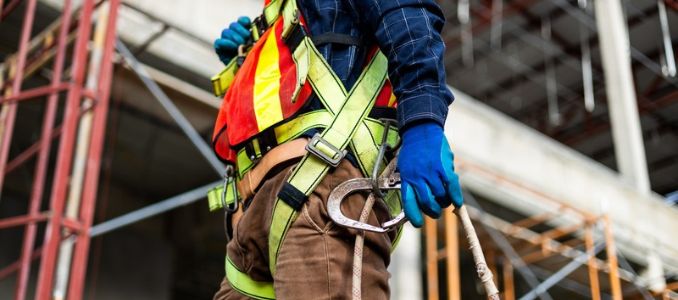
Washington construction safety data show fall protection continuing to dominate serious violations as the state moves ahead with rulemaking involving PPE, heat, lead and other workplace hazards.

The Urban Fire Forum addressed firefighter fitness, PFAS research, drone use and the challenges of managing emergency services.
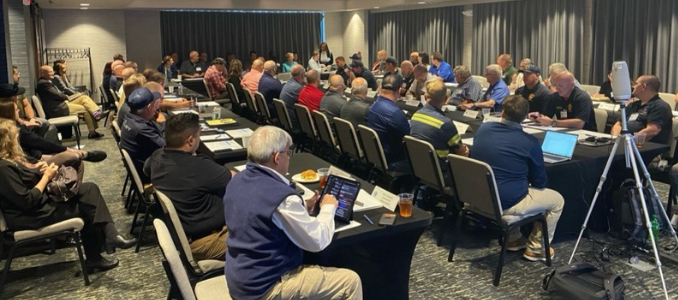
The tabletop scenario covered hazardous materials response, evacuation, communications, physical security and business continuity.

Construction firms’ safety leaders wrote case studies on drones, incident data, heat and digital hazard planning.

Union locals and individual donors contributed more than $3,000 to Second Helpings during the division’s fall meeting.
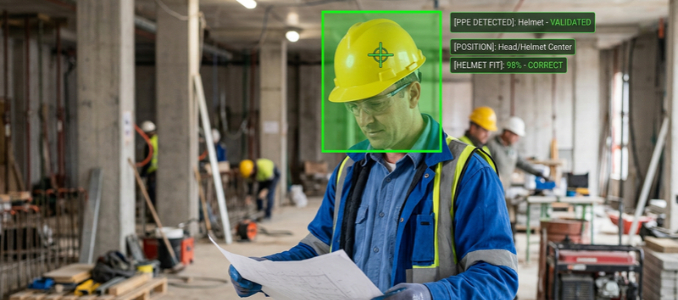
Researchers developed a system that combines helmet detection with head-location technology to determine whether workers are actually wearing protective headgear.
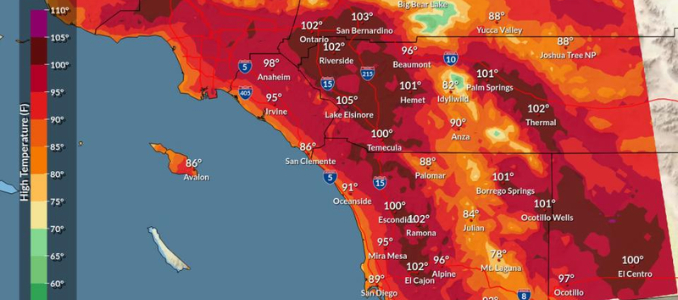
Indoor protections apply at 82 degrees, while outdoor shade must be in place when temperatures exceed 80 degrees.

Union Pacific is challenging an order to pay at least $304,869 after OSHA found it fired a worker who raised storm safety concerns.

ClickMap allows workers to identify injury and hazard locations on diagrams, facility layouts and equipment photos.
Training and resources will focus on helping employers recognize hazards that could cause serious injuries or fatalities.

Sonderling will lead the Department of Labor, which oversees federal workplace safety and health enforcement through OSHA.
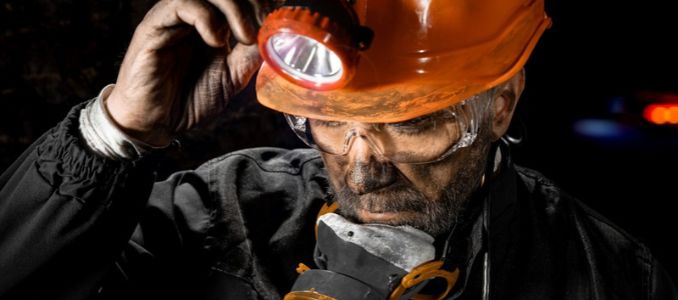
Health professionals and mining families raised concerns about dust exposure and access to disability benefits.
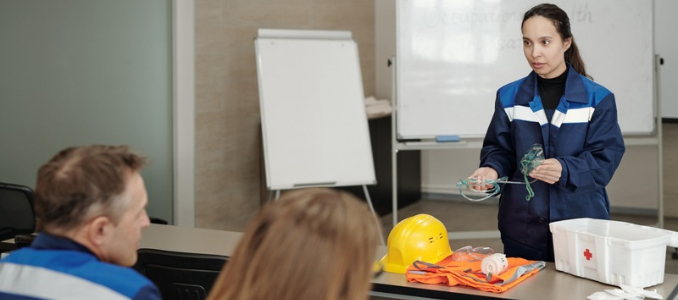
Susan Harwood grants will support 67 organizations providing hazard-recognition and prevention training nationwide.
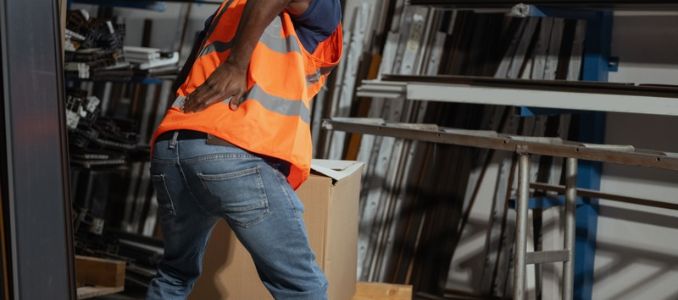
October outreach offers employers training and planning resources to address hazards associated with moving loads.
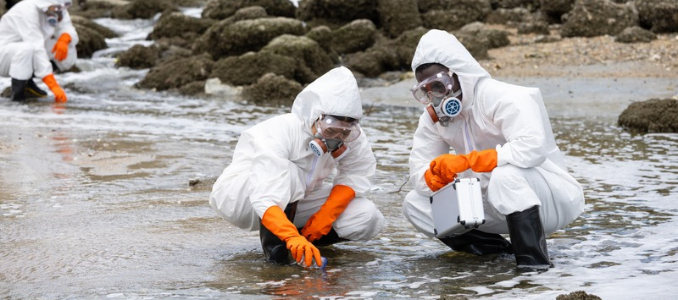
SB 1046 requires Cal/OSHA to propose safety standards for lifeguards, park rangers and other high-risk employees by 2030.