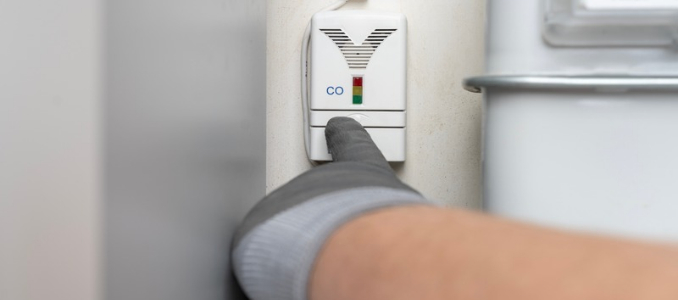
The agency urges employers to take precautions when using fuel-burning equipment as colder weather increases the potential for workplace carbon monoxide exposure.

A worker installing a storm sewer was killed when a 12-foot-deep trench collapsed, prompting citations for alleged cave-in, inspection and access hazards.

Electrical and mechanical spaces on rapidly expanding data center projects can present access, ventilation and rescue challenges that require careful hazard evaluation.

The revised standard brings new requirements for hazard classifications, labeling and employee training as organizations adjust to OSHA’s updated chemical safety framework.

The state will hold virtual hearings Nov. 10 and 16, and written comments are due Nov. 23.

Fire departments will hand out brochures, posters, magnets and activities at schools, open houses and community events.

Safety professionals will examine hazard identification and control measures to help prevent serious workplace injuries and deaths.

Tuition covers e-textbooks, and participants may apply for a scholarship awarded six times a year.
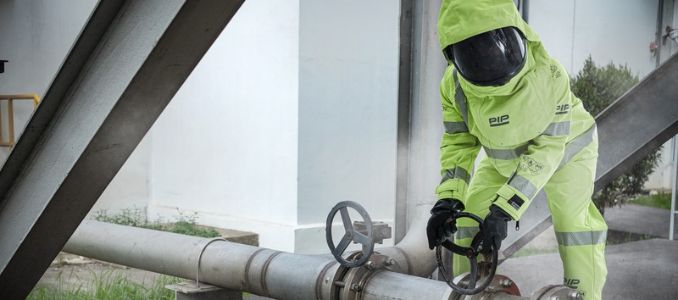
A new clothing collection is designed to address thermal, electrical and chemical hazards within one garment system.
MIOSHA funding provides up to $5000 for eligible employers with no more than 250 employees companywide.
The renewed charter runs two years from its filing date, but the committee itself has no set end date.
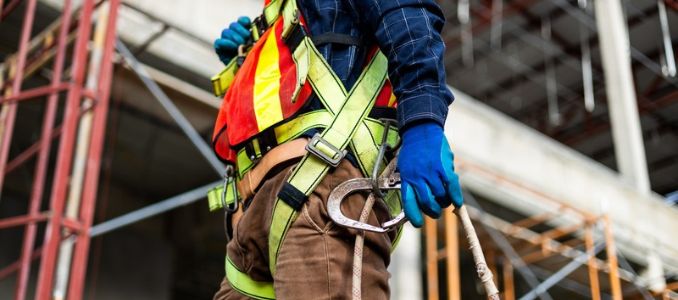
Washington construction safety data show fall protection continuing to dominate serious violations as the state moves ahead with rulemaking involving PPE, heat, lead and other workplace hazards.

The Urban Fire Forum addressed firefighter fitness, PFAS research, drone use and the challenges of managing emergency services.
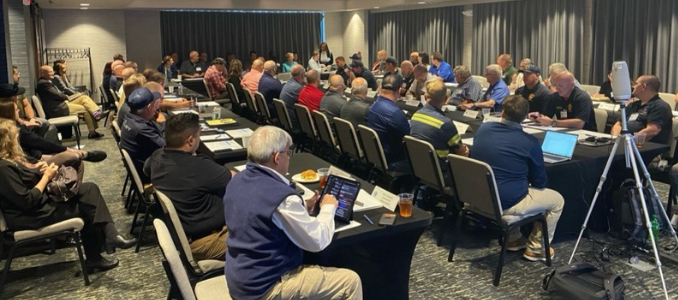
The tabletop scenario covered hazardous materials response, evacuation, communications, physical security and business continuity.
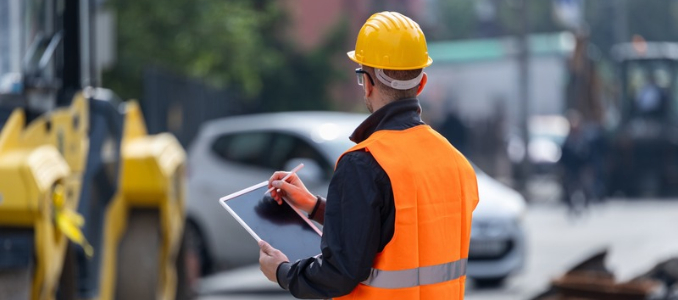
Construction firms’ safety leaders wrote case studies on drones, incident data, heat and digital hazard planning.
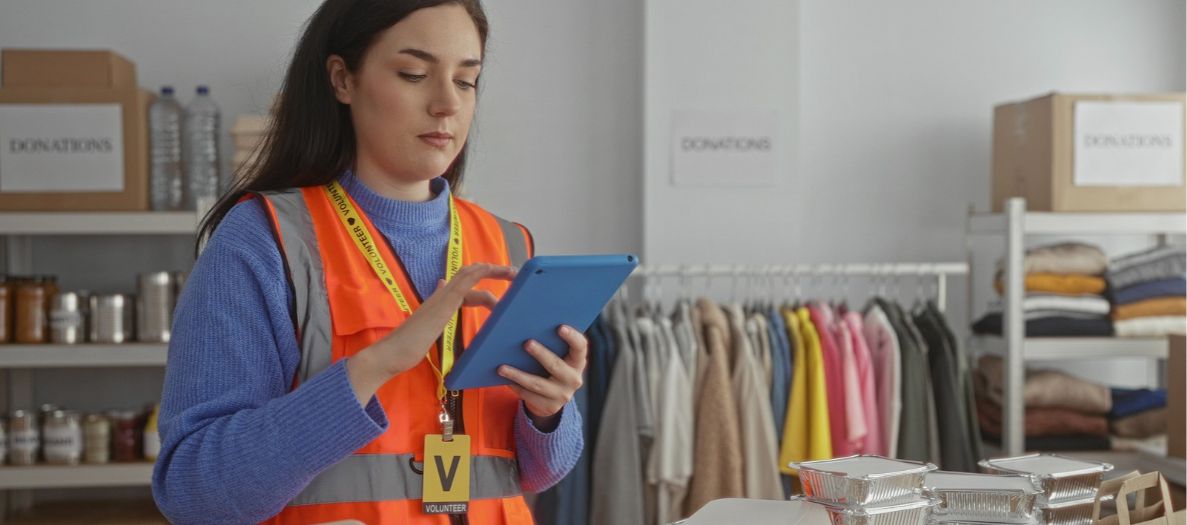
Union locals and individual donors contributed more than $3,000 to Second Helpings during the division’s fall meeting.
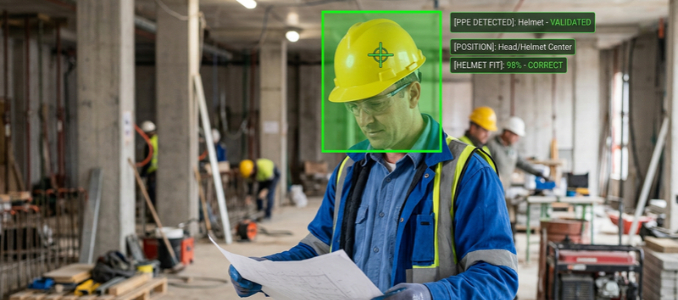
Researchers developed a system that combines helmet detection with head-location technology to determine whether workers are actually wearing protective headgear.