
After a recent Illinois death relating to vaping, the Centers for Disease Control (CDC) is investigating other cases relating to the potential hazards behind e-cigarettes and “vaping” devices.

The state of Oklahoma was the first to accuse a drug manufacturer of causing a national public health disaster related to the opioid crisis. The ruling could set in motion more than 2,000 similar lawsuits.

A recent Harvard study collected data on what employees say they want from their workspaces and what employers are actually investing in. Worker preferences are often going unnoticed.

Heat exposure—whether from the sun, an oven or machinery—can be a contributing factor to employee injuries or illnesses across a range of industries.

The National Safety Council (NSC) is encouraging Americans to recognize International Overdose Awareness Day on Saturday, August 31st, to remember loved ones and act toward preventing overdose. The frequency of opioid overdose, specifically, has reached alarmingly high levels.
Compared to smaller and “micro” businesses, larger companies have done a better job implementing the Total Worker Health (TWH) approach to worker health and safety, reports the Journal of Occupational and Environmental Medicine.

Health warnings against smoking have been in the media since 1966, but until now, they’ve gone relatively unnoticed and unremarkable by smokers and nonsmokers alike. This week, the FDA proposes something more be done.
Some of the proposals include new worker rights to request accommodations from employers and know sick leave policies in advance.

An AI tool might be the new way to identify cancer types and genetic changes in lung tumors, according to a recent study by researchers at NYU School of Medicine. The tool can use just a photograph to identify serious diseases.
Lawmakers say they plan to approve coverage for public safety employees in separate legislation later this year.

Mindlessness is habitual, automatic, repetitive behavior generally brought on by multi-tasking. It can directly impact an individual's overall wellness, stress level, listening skills, injury risk and safety, and more.

Oregon Governor Kate Brown signed a law into effect on July 1 that will provide 12 weeks of paid leave to nearly every employee in the state.
While workplace injury totals are lower this year, advocates complain that high healthcare costs have kept the state from being competitive on worker’s compensation costs.

NIOSH has released a chemical management strategy that can quickly protect workers on the job.
A new survey by Wildgoose found that many employees are actively looking to work in a flexible workplace, as their mental health benefits greatly from it. In addition, employers can save on expensive employee costs by cutting down on the amount of staff in the workplace at one time.
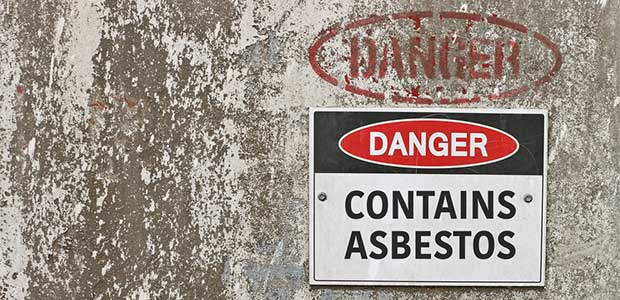
Over 125 million people are exposed to asbestos each year, and a large number of those incidents occur on the job.
"Workers have different needs and circumstances, depending on factors such as occupation, working night shifts, or being paid by the hour," said Dr. Rebecca Tsai, epidemiologist and lead author of the study. "We recommend that employers tailor their workplace health promotion programs based on their specific work organization characteristics in order to maximize participation."
H.R. 2740 would provide a total of $13.3 billion in discretionary appropriations for the Department of Labor, including $298 million for the DOL Wage and Hour Division and $661 million for OSHA, which would be an increase of $103 million above the 2019 enacted level.

Having a highly engaged workforce should be the goal of every department in a company. Engaged employees are simply far more likely to work harder, smarter, and safer.

CDC researchers reported Tuesday that new cases of diagnosed diabetes in the U.S. decreased by 35 percent since a peak in 2009. The CDC said this is the first sign that efforts to stop the U.S. diabetes epidemic are working.