Postal services are at peak business over the holidays, but that means worker risk for postal service men and women are also high. Here are a few simple things you can do to keep keep mail carriers and USPS drivers safe.

A recent study presented at the American Heart Association’s (AHA) Scientific Sessions notes that certain types of work have an association with heart disease—especially in women.
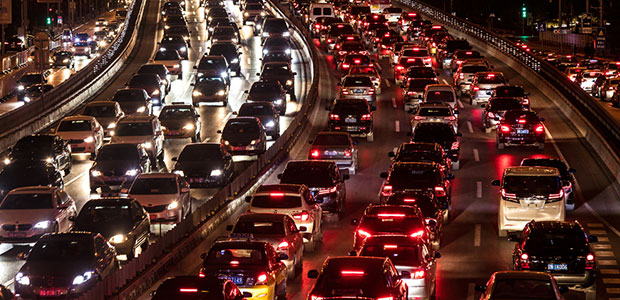
One recent study compared 100 global cities on their air pollution, infrastructure, congestion, associated driving costs, and incidents of road rage. Some of the findings might surprise you.
The recent staging of A+A – the Leading International Trade Fair for Safety, Security and Health at Work – closed in Düsseldorf, Germany to record results: 2,121 exhibitors from 63 nations showcased their innovations to over 73,000 trade visitors.
After months of research into what exactly could be causing hundreds of vapers to fall ill from lung diseases, researchers think they’ve found one common suspect.
The National Safety Council is disheartened to see an increase in work-related fatality rates this year compared to last, and many think factors like drug overdoses and vehicle crashes are to blame.

American employees who have full-time jobs spend an average of 9.2 hours per day working and a lot of that time is spent sitting down.
Recent studies on a handful of running research finds suggests that people who run, even just once a week or month, have a 27 percent lower risk of premature death.
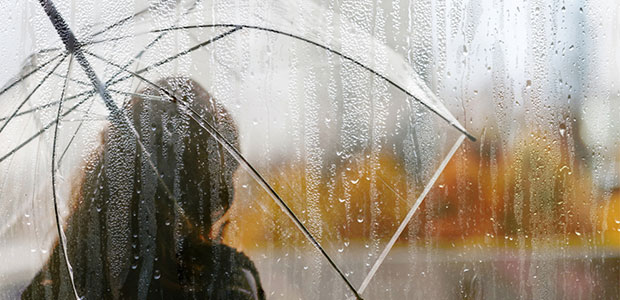
As fall transitions into winter, people are at a higher risk for seasonal affective disorder. If you are one of thousands of people struggling with seasonal depression, here are ways to get out of your slump.
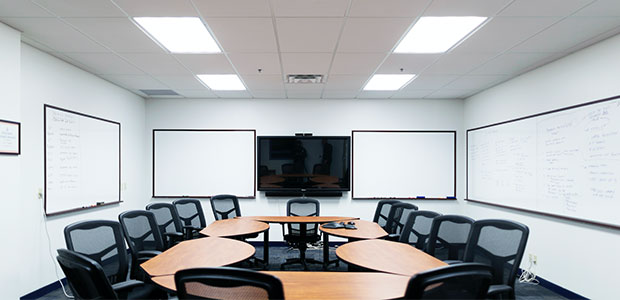
In the quest to ensure a healthier, safer and more productive work environment, lighting innovations can be a central factor. The advent of flicker-free LED lighting offers a promising alternative to fluorescent, incandescent and early-generation LED lighting, even as it significantly reduces maintenance costs.
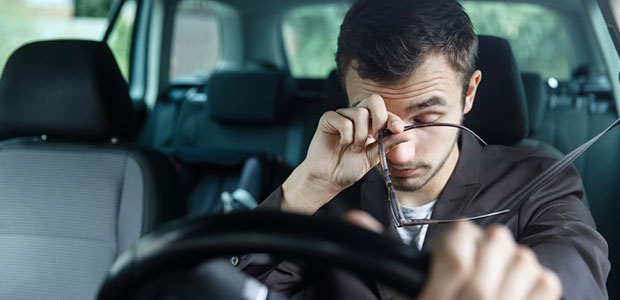
Even though Americans gained an hour of sleep this past weekend, workers are still urged to prioritize sleep—especially because driving drowsy is comparable to driving intoxicated.
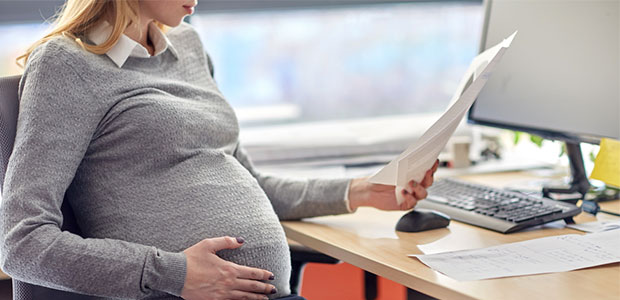
An update to the Pregnant Workers Fairness Act sponsored by a Democrat could make changes in how pregnant workers are accommodated in the workplace. It’s gaining much Democratic support, but many Republicans are still reluctant.

Stopping workplace violence is a high priority for anyone filling a supervisory position in their organization. Unfortunately, there are several commonly held myths about effective strategies for doing so.
As a number of wildfires burn in California, OSHA reminds employers to be mindful of air quality regulations and protect employees from unhealthy wildfire smoke.

While a new vaccine for TB might not see the market for another couple years, researchers are very optimistic it could be hugely helpful in treating TB worldwide.
After research on people’s work habits, mentalities, and hours, it is clear that there is a difference between simply working a lot and being a workaholic, and it comes down to mentality and coping mechanisms. Both, however, have different effects on your health.
The U.S. Department of Health and Human Services (HHS) awards billions in grants to help Americans with access to HIV/AIDS care, support services, and medication.
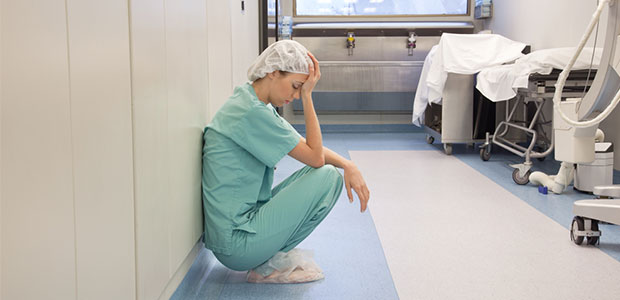
One recent report analyzed American adult sleeping patterns from 2010 to 2018, and the results showed that Americans are losing sleep on average. This trend was particularly prevalent for professionals in health care and law enforcement, for example.

The U.S. News and World Report reminds readers of laws you should be aware of in the workplace. No one is above the law—not even your boss.
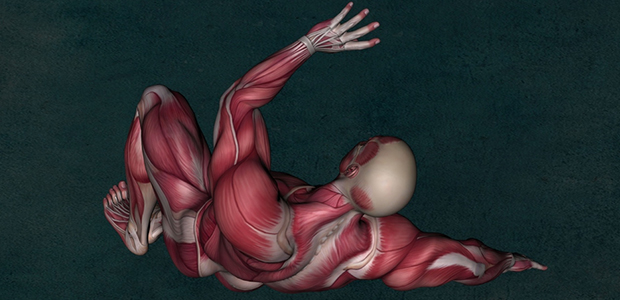
Understanding proprioception can help to interpret how correct movement requires well-organized, accurate signals from the muscles firing to the brain. These pointers can be easily manipulated simply by becoming more aware of movement behavior. Awareness of correct movement execution redistributes the signals, decreasing the likelihood of injury.