Monday morning, the rubble of a wall collapsed at a Manhattan site killed one construction worker and injured another.

Everyone is affected by mental health: you either deal with a mental illness, or you know someone who does. Even though many adults suffer from mental illnesses, they still feel stigmatized and unsupported in the workplace.

Keeping staff happy and healthy is both ethically and financially important, and taking care of the workplace environment is central to this. With the development of smart tech, companies are increasingly able to combine human feedback with more accurate monitoring to ensure that phenomena such as “Sick Building Syndrome” (SBS) occur less frequently and with less impact.
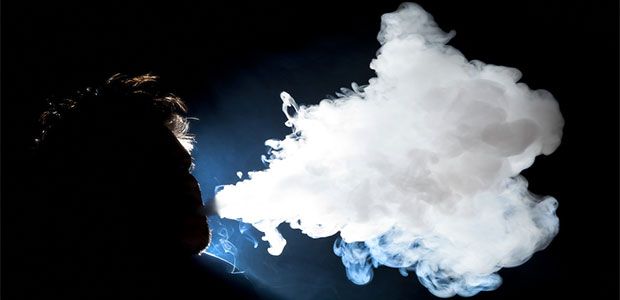
As the vaping epidemic continues to unfold and researchers continue to link certain substances to lung illnesses, a recent study by New York University tested nicotine e-cigarette vapor on mice. The results were alarming—and cancerous.

Based on a recent study, scientists say that if you can walk this far in two minutes, you’re much smarter than the average. And even if you can’t, with a little effort, you might be able. In the process, you’ll improve your physical and mental health.

Until recently, not much research had been done on the professional drivers’ occupational health—especially those working in cities with high levels of traffic. One recent study shows taxi drivers in particular experience high exposure levels to black carbon.

As of September 27, OSHA signed an alliance with the National Waste & Recycling Association (NWRA) and Solid Waste Association of North America (SWANA). The goal? To better protect workers in the waste industry.

An older workforce is beneficial to employers as they’re more experienced and knowledgeable. However, it’s also important that organizations understand the needs of aging workers in order to ensure their safety and boost productivity.

With flu season right around the corner, experts are encouraging everyone—starting at 6 months of age—needs the newly improved vaccine.
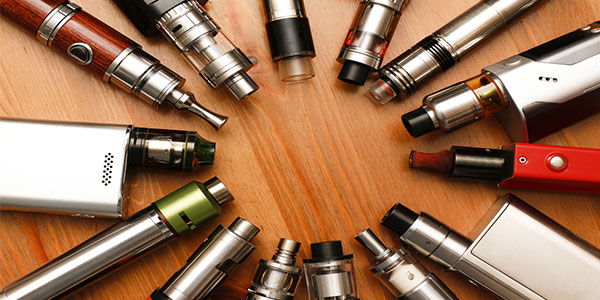
With the increase in vape-related illnesses and deaths, scientists have been on a hunt to figure out what is causing people to fall ill. Tests are showing that a number of troublesome substances are in bootlegged vapes.

Taking a look at winter hazards and five important safety tips to help mitigate them.
With flu season around the corner, research suggests washing hands with running water is the best defense.

Here’s how to keep your workforce humming during peak holiday seasons.

No matter how effective your personal hygiene standards are, a single person in your place of work can cause illness.
In an effort to better protect workers from airborne contaminants, the U.S. Department of Labor approved a new protocol for new respirator fit testing. Effective today, the rule will hopefully protect workers from airborne contaminants.

Until now, not much research had been done to find the best CPR methods from data that accounted for both compression rate and chest depth. Now, new data gives some exciting new answers.
Many employers know that in particular circumstances, OSHA can issue criminal sanctions. However, what employers may not know is that OSHA has also been referring workplace safety violations to state district attorney offices in fatality cases.
Occupational Health & Safety is bringing the educational information found in its magazine to the event space with the OH&S Summit in Phoenix on October 29.

NIOSH recently released a resource guide that helps employers and managers ensure the safety of their employees before, during, and after their work travel trips.
NSC and launch partner, Stericycle, assembles resources for opioid epidemic after survey shows that 83 percent of employers are extremely unprepared to deal with employee opioid misuse.