Indoor air quality is one of the most common causes of complaints in offices. The EPA notes that concentrations of some pollutants are commonly two to five times higher indoors than outdoors - and Americans spend around 90 percent of their time indoors.
The U.S. Department of Labor renews its contract with a program through Coventry Health Care Workers’ Compensation Inc. The program will improve and expand medication safety for injured federal workers in an effort to fight opioid misuse.

Governor of New York, Andrew Cuomo, announced he will push for a ban of flavored e-cigarettes and vaping products in the state. This would follow a similar ban by the state of Michigan and a call for federal prohibition of the products by President Trump.
OSHA recently fostered an alliance to promote workplace safety within the elevator industry.
As more companies, states, and families file suits regarding the opioid crisis, many claim Purdue Pharma has had a large part in the epidemic.
Indiana University of Pennsylvania, the Pennsylvania Department of Labor, and OSHA formed an alliance to promote safety information and training to workplaces.
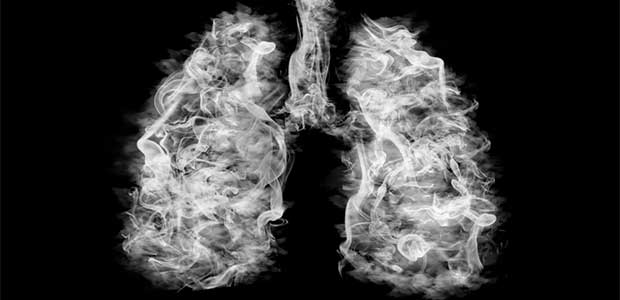
After three deaths and hundreds of possible cases of lung disease related to vaping, the CDC and smokers are warning others not to use e-cigarette devices.
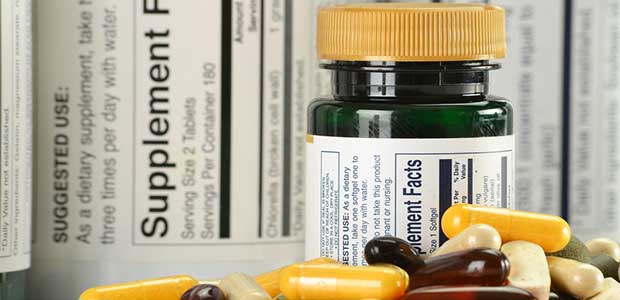
Two Tennessee companies were found to have distributed and prescribed unapproved new drugs, adulterated and misbranded supplements, and an adulterated and misbranded device.

With operator error contributing to nearly all motor vehicle crashes, employers are looking for new ways to incentivize good driving and track dangerous driving. With telematics, this is becoming much easier.
The state of Massachusetts just witnessed a three-way Alliance between safety industry agencies and the state’s craft brewing industry. This collaborative relationship aims to foster safety and health practices and programs for workers.
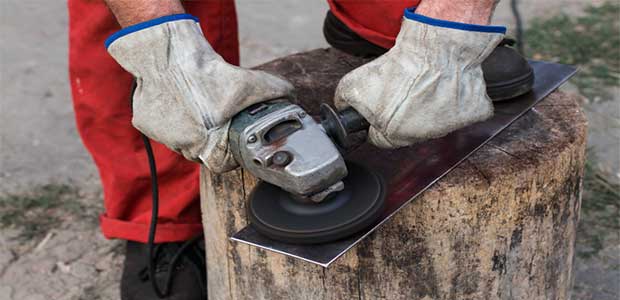
It’s time for action on hand-impact injuries. Employers and workers alike need to use their heads and start protecting their hands.
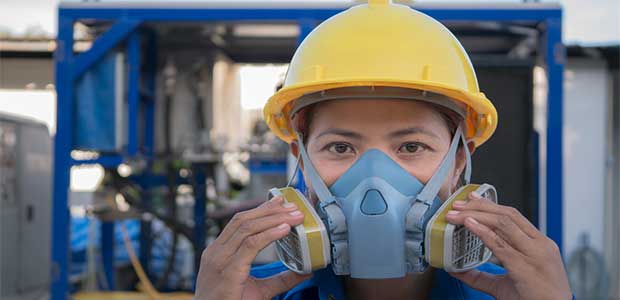
The National Institute for Occupational Safety and Health (NIOSH) celebrates one hundred years of respirator protection and certification with the first annual Respiratory Protection Week.
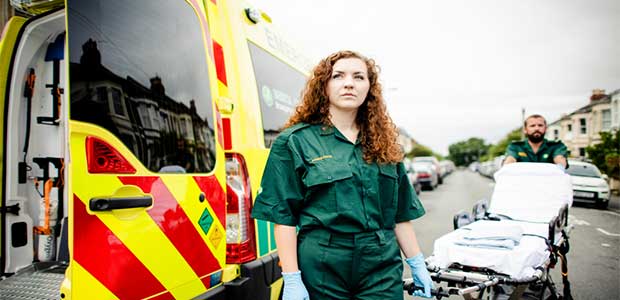
A recent study reports that emergency response workers are much more likely to suffer injury and assault on the job. These injuries and assault are also likely largely underreported, researchers suspect.
The National Safety Council is expecting more than 15,000 safety professionals to attend the annual Congress & Expo this month.
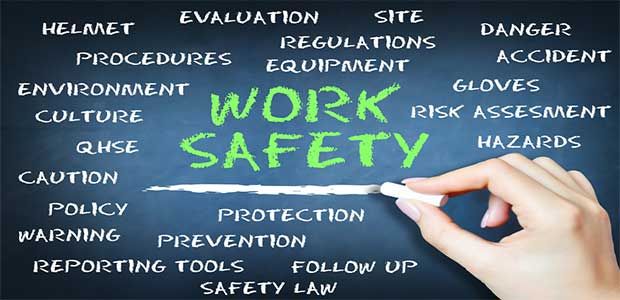
Six steps to turning your safety program into a safety culture.

Dry Eye Syndrome is very common, impacting more than 3 million people per year.

Remarkable indoor air quality case studies and best practices
The main message among many Safety leaders seems to be “caution.” While it’s certainly a great idea to “look before you leap,” there’s an important balance when attempting to eliminate risks at all costs.

According to OSHA, each year 22 million employees are exposed to hazardous noises at work, making hearing loss the most common work-related injury. It’s time to understand, and consider, the role technology can play in workplace noise monitoring.
A new study notes that workers in the mining and oil and gas industries are more likely to have hearing loss as a result of improper protection.