OSHA issued citations to Acadian Fine Foods, LLC for allegedly exposing workers to dangerous carbon dioxide levels.
OSHA Assistant Secretary Dr. David Michaels said work on the proposed crystalline silica standard is "actually moving quite well" and he expects it to be finalized in 2016.
Speaking with reporters at AIHce 2014, the association's government affairs director said two recent actions offer some hope for AIHA's top regulatory priority.
OSHA issued $196,000 in proposed fines to a Connecticut contractor for allegedly exposing workers to hazards similar to those in a Philadelphia building collapse in June 2013.
The agency has cited Cooper Power Systems for allegedly exposing its workers to chemical hazards.

The most important thing to remember about surgical masks is that they are not designed to pass a fit test. Their purpose is to help protect the environment and nearby persons from the wearer's contaminants.
The 6-2 decision in EPA v. EME Homer City Generation upholds the Transport Rule, which requires emission reductions by power plants in upwind states that "contribute significantly" to downwind states' nonattainment of EPA's air quality standards.
Starting Feb. 1, 2016, mine operators must use continuous personal dust monitors to monitor the exposures of underground coal miners in occupations exposed to the highest respirable dust concentrations and the exposures of miners who have evidence of the development of pneumoconiosis. The rule also expands medical surveillance requirements and extends them to surface coal miners.
The alliance aims to reduce Atlanta-area construction workers' exposure to respirable crystalline silica.
The screenings begin in seven states this month.
The agency has cited Grede Wisconsin Subsidiaries LLC for one repeat violation involving silica exposures.

Airborne pathogens are not only highly contagious, but also they can put a workforce completely out for weeks at a time.
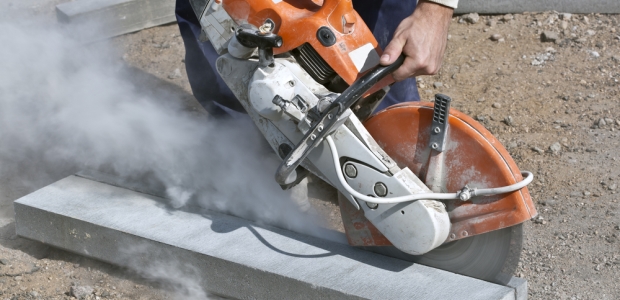
NIOSH published "Criteria for a Recommended Standard: Occupational Exposure to Crystalline Silica" in 1974, recommending there that same exposure limit OSHA has proposed -- 50 micrograms per cubic meter (μg/m3).
All 86 workers evacuated safely, but 13 were treated for smoke inhalation during the Feb. 5, 2014, incident. Many workers had trouble donning their self contained self rescuers, according to the report.
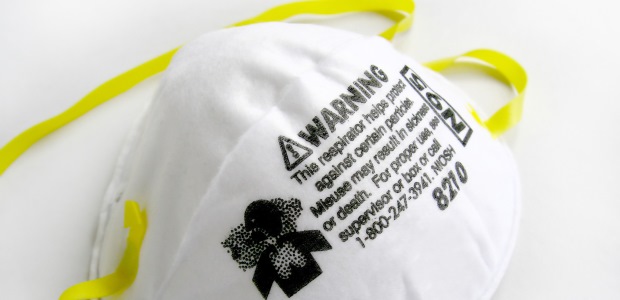
A new request for information and comments asks whether health care end users want requirements and tests in the process to parallel those in FDA's clearance process for surgical N95 respirators.
The agency has issued $185,700 in penalties to Schwan's Global Supply Chain Inc., the manufacturing arm of The Schwan Food Company, after an inspection of its Atlanta plant.
To provide the right protection, it's important to consider the end users, their environment, your evacuation program, and the threats they may encounter.
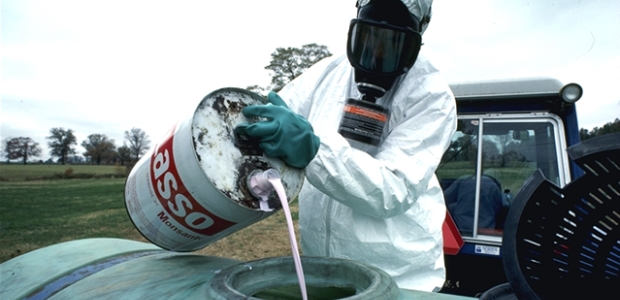
It covers head-to-toe protection, including charts comparing the protection of various coverall types and chemical-resistant glove options.
The study provides insight into the training and safety awareness of health care workers who routinely are exposed to several specific hazardous agents.
President Kathy Seabrook's comments submitted Jan. 31 endorse the proposed 50 µg/m3 PEL and the 25 µg/m3 action level but say implementation on small, short-term construction sites will be a challenge.