
The event, hosted by the National Education Center for Agricultural Safety, will run from September 21 to September 25.

The meatpacking company experienced a coronavirus outbreak among employees, resulting in a penalty from OSHA.
The final rule adds several exemptions to account for unique equipment and circumstances that occur in railway roadway work.
The hospital was cited for failing to test tight-fitting face piece respirators on employees required to use them, as well as failing to train employees on proper respirator use.

Now that many facilities are reopening, it is imperative to ensure that emergency safety equipment is compliant, in safe working order and in correct placement relative to worksite hazards.

A new proposed rule from the Oregon Occupational Health and Safety Administration would mandate CDC recommendations to keep workers safe amid the pandemic.

As businesses reopen and the workforce strives for normalcy, the challenge now comes with properly training employees to stay compliant, safe and healthy during this time.
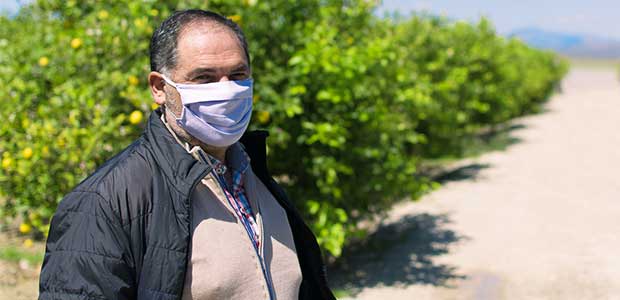
Agriculture farms continue to operate to grow crops and feed the country, but with minimal federal protections against the coronavirus, many farmers are worried about contracting the virus on the job.
OSHA recently ordered JHOS Logistics and Transportation Inc. to reinstate an employee who had been terminated for refusing to drive an overweight vehicle at a California facility. OSHA is also charging the company $190,000 back in wages, $25,000 in punitive damages and $5,000 in compensatory damages and attorney fees.
Despite being a critical component of employee safety, HazCom training is one of the most overlooked elements of employer safety programs.
Protective gear must be chosen by understanding and complying with the information contained in ANSI/ISEA Z87.1.

For most companies—particularly those involved in materials handling—concerns about safety regulations go well beyond mere avoidance of government fines or censure.
More businesses are focused on providing environmentally friendly products, and consumers are educating themselves about the companies they support.

A recent article from the Los Angeles Times uses California workplaces and regulations to answer the question of ‘what makes a workplace safe?’ The answer involves a comprehensive, holistic approach to a healthy, safe workforce.
On July 26, the United States will recognized the 30-year-anniversary of the landmark Americans with Disabilities Act of 1990 (ADA).

Pregnancy discrimination in the workplace—direct or indirect—can have effects on the woman and baby’s health. Make sure you are supporting and respecting your pregnant workers, especially with new legislation.
Every year, thousands of workplace injuries and illnesses occur. No matter how prepared you are for the next incident, it is clear organizations could use some help. Check out OSHA's top 10 violations and ways you can actively prevent them.
Nighttime workers—especially those in agriculture—are exposed to unique risks. Recent standards from California’s OSHA require new standards for agriculture workers and supervisors to increase safety.
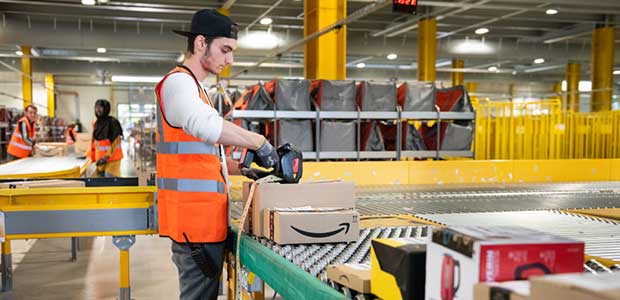
A dispute has erupted over Amazon’s withholding of government-mandated logs of injuries and illnesses at its warehouses. A federal judge calls it disturbing, but Amazon says it’s commercially sensitive.

Episode 17
OH&S Editor Sydny Shepard and Content Editor Amanda Smiley break down some of the go-to sessions of ASSP Safety 2020 Virtual as well as some tips for getting the most out of your virtual conference experience.