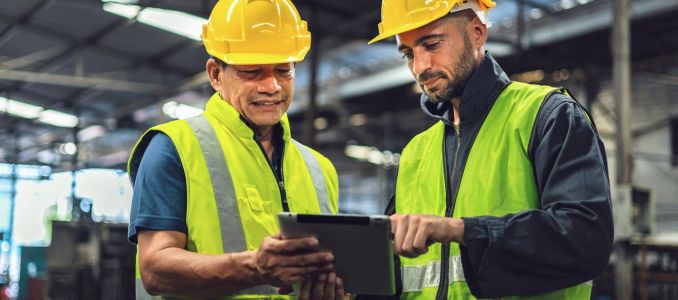
New research from Verdantix highlights a growing shift toward integrated AI systems to manage complex workplace safety risks.
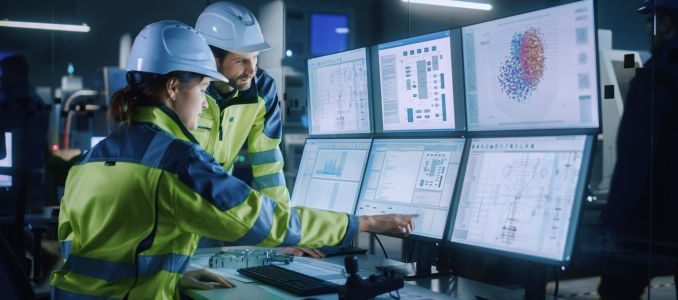
A new report highlights growing use of AI in safety functions while warning that governance, data quality and workforce readiness must keep pace.
The company will help shape evolving standards focused on leading indicators and data-driven safety performance measurement.
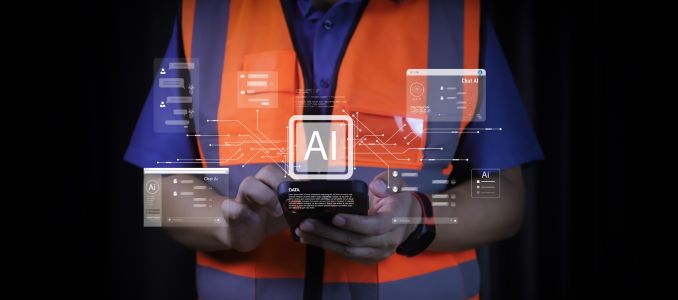
Research shows safety professionals are increasingly turning to unofficial tools as organizations struggle with data integration and governance.

New software uses artificial intelligence and National Safety Council modeling to identify workplace hazards through mobile photography.
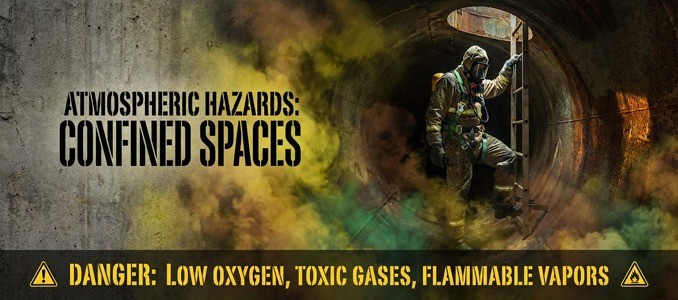
Confined spaces are dynamic environments where gas levels, airflow, and temperature can shift in seconds. AI-based atmospheric intelligence is helping safety teams move beyond threshold alarms to predictive, real-time risk interpretation.
New research from the ASSP outlines how AI tools are transforming risk assessment and reporting for EHS experts.
Workers may feel safe, but many can’t identify safety systems or report hazards. Experts warn the growing gap between perception and real protection.
AI is rapidly expanding in construction safety, but poor implementation can create alert fatigue, mistrust, and a false sense of security. Workforce-centered deployment is critical for real risk reduction.
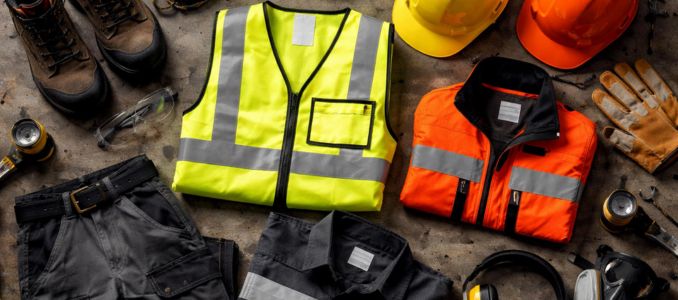
OSHA requires PPE to properly fit each worker. Learn how poor PPE fit creates compliance risk, common violations, and how employers can build a defensible fit program.
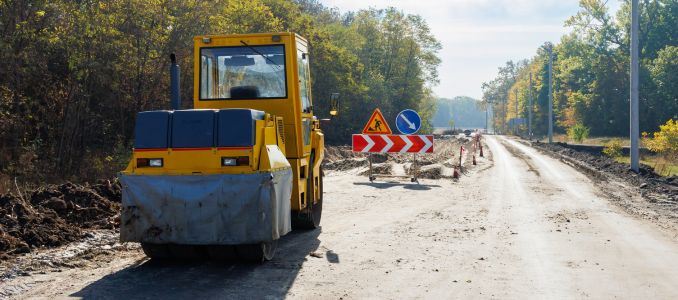
New Products feature roadway safety technologies at its 2026 Traffic Expo, highlighting innovations designed to reduce worker exposure and improve work zone safety.
Elevator Pitch
Forklift safety expert Jackson Phillips discusses how AI-powered collision avoidance is helping manufacturers and warehouses move from reactive safety measures to proactive prevention.

Chronic staffing shortages raise risks for health care workers and patients, but automation can help—if applied thoughtfully and with human oversight.
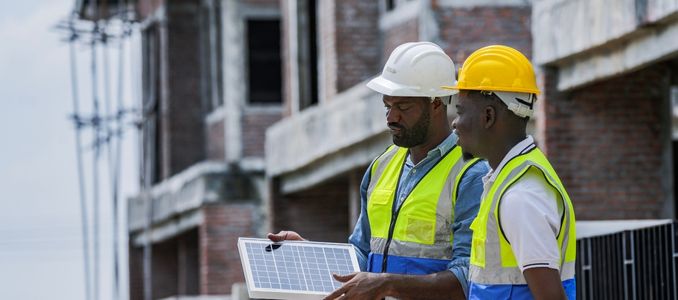
The 2026 State of the Skilled Trades report from NFPA finds workers expect more AI on the job but want stronger training and protections as labor shortages persist.
The latest update to NFPA LiNK introduces AI-powered tools and workflow enhancements designed to help safety professionals apply codes and standards faster, more accurately, and with greater confidence.
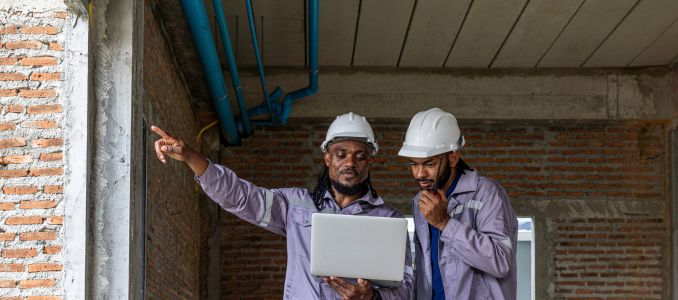
Stories about near misses, lessons learned, and everyday work can bridge the gap between written safety rules and real-world behavior—when used thoughtfully and supported by leadership and technology.
Why traditional safety metrics fail to prevent serious injuries and fatalities—and how AI helps EHS teams identify PSIF risks before life-altering events occur.

A decade of change in safety practice highlights the growing importance of foresight in managing risk and organizational performance.
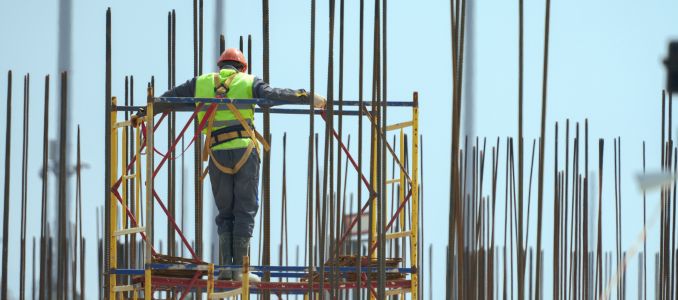
As digital safety tools become central to occupational health, organizations are rethinking how they protect lone and vulnerable workers through automation, smarter communication, flexible protocols and stronger safety cultures.
AI is increasingly used to predict risks, prevent injuries, and support long-term safety decision-making, while raising important questions about governance, ethics, and worker trust.