
A new survey shows 58 percent of U.S. employees never use AI at work, with women and older generations slower to embrace the technology.

The U.S. Department of Labor's AI workplace guidelines emphasize transparency, fairness, and worker protection.

This week’s new safety products enhance workplace safety and productivity with solutions like welding helmets, generative AI, dust collectors and alcohol detection.
Edge AI technology is transforming workplace safety by offering predictive analytics, real-time hazard detection and sustainable solutions across industries.

Artificial intelligence is reshaping workplace health and safety practices by enhancing risk prevention, training and monitoring while raising ethical and operational challenges.

This week’s new safety products enhance workplace safety and productivity with solutions like cooling systems, AI-powered reporting, eye protection and protective footwear.

This week’s new safety products enhance workplace safety and productivity with solutions like axial fans, OSHA-compliant gates, AI recognition solutions and continuous mixers.

The project focuses on developing an AI-based “digital twin” to prevent workplace injuries.
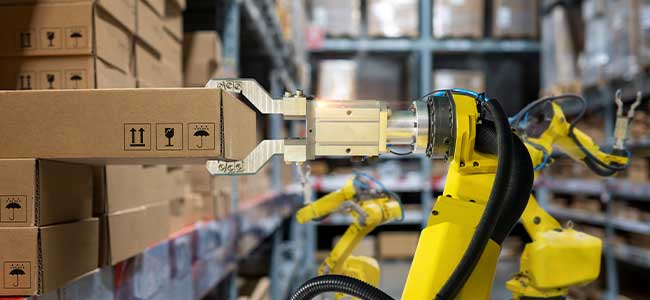
As automation reshapes the workplace, businesses need to foster a positive, safe and engaging workplace culture to attract and retain talent.

AI-driven tools are transforming the role of EHS managers in construction, shifting their focus from compliance to proactive risk prevention.

Workers are optimistic about how technologies, such as robotics and AI, can enhance safety.

Only 6 percent of employees report AI-related safety enhancements at their organizations, according to a recent report.

With this acquisition, Benchmark Gensuite aims to enhance field safety operations by digitizing workflows and improving real-time risk mitigation for frontline workers.

The new guidelines emphasize the ethical usage of AI, aiming to improve job quality and protect workers.

The collaboration aims to develop AI-assisted solutions that enhance safety and efficiency in refining operations.
Experts discuss AI's transformative role in enhancing productivity, safety and innovation.
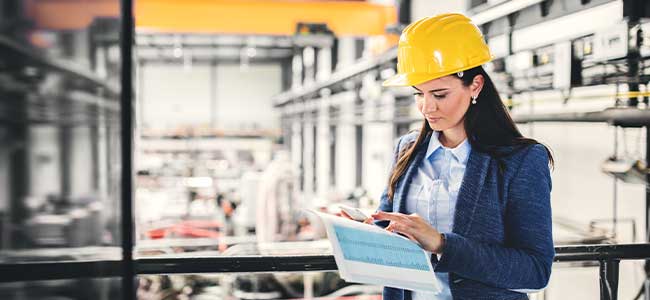
Integrating AI and IoT into workplace safety enhances predictive analytics, real-time monitoring and proactive risk management to significantly reduce accidents and improve overall safety.

When done correctly, a combination of new technology and traditional methods can create the perfect balance of engaging, thoughtful training that employees need.
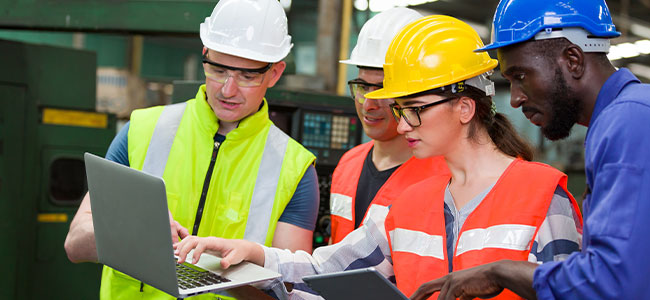
Technological innovations are helping to make workplace training more accessible and less challenging for business owners and will continue to do so in the foreseeable future.

By integrating AI tools, companies can preemptively identify risks, enforce safety regulations and fortify the overall security of their workforce.