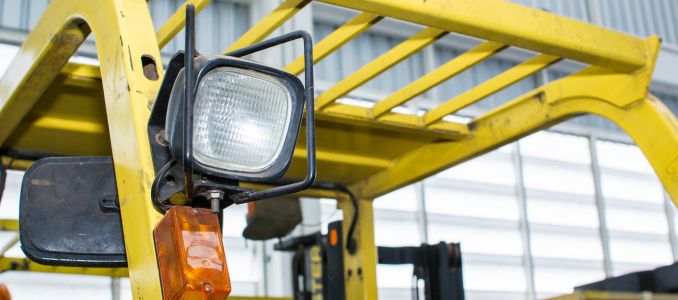
As facilities push for higher efficiency and stronger safety compliance, AI-powered cameras, predictive alerts, and advanced forklift lighting systems are redefining visibility, reducing near misses, and creating a proactive, data-driven approach to pedestrian and equipment safety.
Next-generation detection technology and human-first design are turning safety into a performance advantage, giving operators greater confidence and improving workflow efficiency.

Companies are rapidly making AI use an expectation for employees, but the shift brings new challenges for EHS professionals who must balance productivity gains with protecting sensitive personal, operational, and proprietary information.

As AI tools become part of everyday work, employers are using technology to detect hazards and strengthen training—but true protection for young and inexperienced workers still requires awareness, communication, and a strong safety culture.
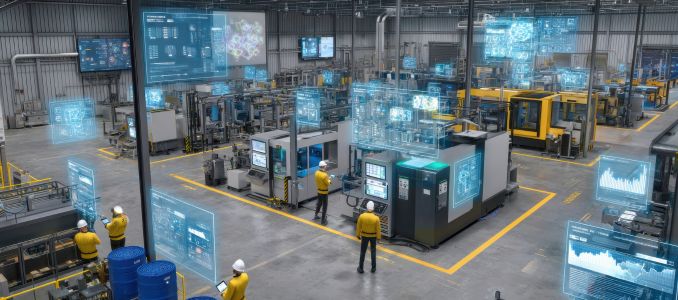
As manufacturing injuries remain high, facilities are turning to AI, smart sensors, predictive maintenance and wearables to detect hazards faster and prevent common production-floor incidents.
How advances in monitoring and analytics are transforming eye and face PPE checks from routine tasks into proactive safeguards.
As injuries persist despite strong safety programs, employers are turning to AI and computer vision to detect unseen risks, prevent incidents, and make safety a strategic advantage.
AI-powered wearables are reshaping workplace safety by monitoring real-time health, ergonomic movements and environmental hazards. As connected workplaces expand in 2026, these tools help organizations shift from reactive responses to predictive, data-driven risk prevention.

A new VelocityEHS survey finds most EHS professionals view AI as a tool to boost accuracy and efficiency—not replace human expertise. While optimism is strong, many remain cautious about data quality and overreliance on technology.
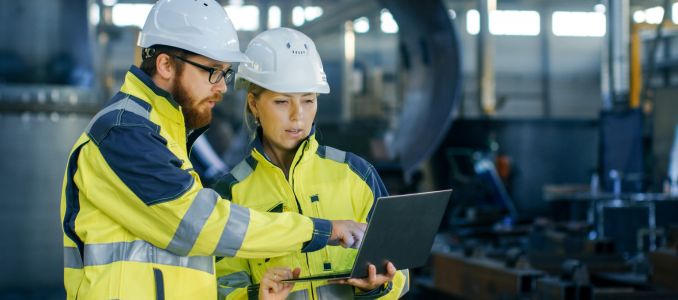
AI-driven predictive technology is reshaping warehouse safety. From smart cameras and sensors to wearables and VR training, new tools are helping managers detect risks early, prevent injuries, and create safer, more efficient workplaces.

The world’s leading safety and health trade fair drew 67,000 visitors and 2,340 exhibitors to Düsseldorf, showcasing advances in PPE, ergonomics, AI, and digital safety solutions alongside a 3,000-attendee congress.

With enforcement slowed during the government shutdown, serious injury and fatality risks remain unchanged—highlighting why visibility, not just compliance, defines true safety performance.
Benchmark Gensuite’s newly launched AI Agents use automation and analytics to simplify compliance tasks and turn safety data into actionable prevention strategies.
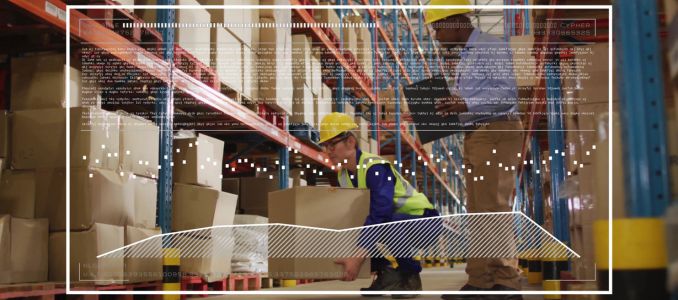
As the global AI boom accelerates, data centers are multiplying — and so are the overlooked risks to the people who keep them running, from heat and chemicals to fatigue and stress.
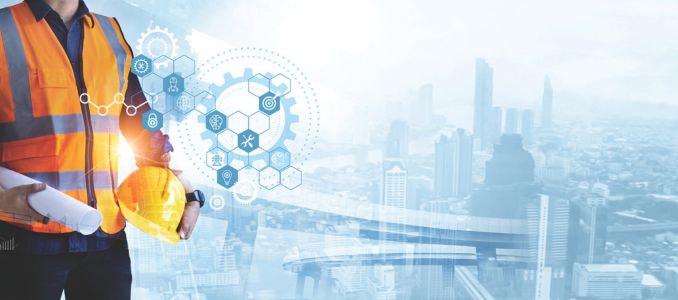
Digital innovation is transforming fall protection — turning helmets, harnesses, and inspections into proactive safety systems that prevent risks, simplify compliance, and accelerate emergency response.

Artificial intelligence can personalize study plans, generate adaptive practice questions, and offer real-time feedback — giving Certified Industrial Hygienist (CIH) and Certified Safety Professional (CSP) candidates a strategic edge.
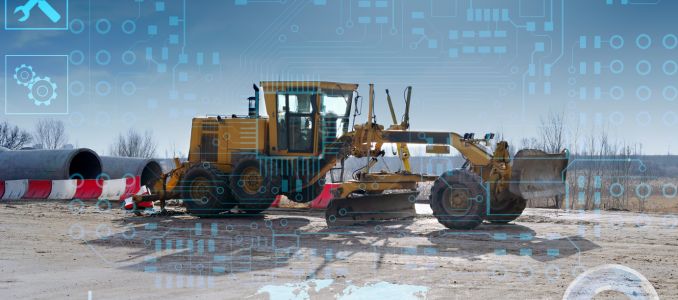
Just as GPS moved from skepticism to indispensability, AI is becoming an essential tool for EHS professionals—transforming hazard detection, incident analysis, and safety culture through real-time insights and smarter decision-making.

Artificial intelligence can help agencies detect workplace hazards faster and strengthen safety investigations—if it’s designed with privacy protections that earn worker trust.

Reducing First-Year Injuries in Fast-Paced Environments

Eleven German start-ups will spotlight next-generation safety, health, and ergonomic innovations at the BMWE Young Innovators stand during A+A 2025, showcasing how technology is transforming workplaces across industries.