
Make the training interesting. Get your employees engaged and keep them safe.
Accidents are simply another kind of defect -- a deviation from the standard of perfection. And, like quality, these defects must be detected and eliminated at the moment they first appear.
It's true: Your risks can be reduced by focusing on managing your chemical inventory.
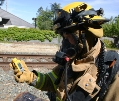
"Today, I can hand you a gas monitor, and it's really a trust-based scenario. Whereas with a real-time feed, it's trust and verify. I can see where you are. I know what kind of readings you're getting while you're out there."

Electrical safety radically improves when workers can determine a zero electrical energy state without any voltage exposure to themselves.

A highly sophisticated fire alarm network achieves new heights of control at a General Motors facility in Indianapolis.
Comparing two groups' retention of training material about fire extinguisher use and safety showed response technology was beneficial.
Enlist a safety team. Push your managers, machine operators, and safety personnel to gain a broad perspective on warehouse, assembly, and other manufacturing equipment and operations.
The heart and soul of any digital signage program is the content. Far too little focus is placed on this aspect of the program.
Understanding the dynamics of air pressure within your hazmat suit should provide welcome peace of mind.

While oil and gas drilling activity benefits Gasco Affiliates, LLC, the calibration gas manufacturer's president says gas detection is widely used and will keep growing.
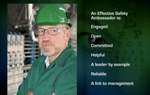
"This is the one area we focus on that is almost entirely preventable: eye injuries. There's really something that can be done here," says Prevent Blindness America COO Jeff Todd.
New innovations deliver objective, real-time data on a PPE solution's resistance to molten substances.
With all of the changes in duties expected of emergency responders, it is imperative that we revamp our training methods.

Know what the levels represent because the responsibility for testing products for specific end-user applications still rests with the end user.
This has been a brutal year for many. It’s the perfect time to cast a fresh approach to your head and face protection program.
Jim Johnson, past chairman of AIHA’s Respiratory Protection Committee, said he hopes training modules will be ready by the 2012 AIHce conference in Indianapolis.