
The Sept. 27 total eclipse of a perigee full moon will be the first time this has happened since 1982, according to NASA.

The new procedures will shorten application processing times, the agency promises.

The two rules are “the first step in putting greater emphasis on the prevention of foodborne illness, holding imported food to the same food safety standard as domestically produced food, and developing a nationally integrated food safety system in partnership with state and local authorities,” according to the agency.

Penny Pritzker, the commerce secretary, announced the plan during the White House Apprenticeship Summit on Sept. 8. President Obama on Sept. 9 said DOL is awarding $175 million in American Apprenticeship Grants to 46 public-private partnerships that have pledged to train and hire more than 34,000 new apprentices in high-growth and high-tech industries during the next five years.

The grant program funds public and private railroad grade crossing enhancements and track improvement projects that improve safety on rail routes used to transport crude oil, ethanol, and natural gas.

According to MSF, the French pharmaceutical company Sanofi stopped making Fav-Afrique, which is the world's only antivenom proven safe and effective to treat envenoming from different types of snakes across sub-Saharan Africa, at the end of 2014. The last batch of Fav-Afrique is due to expire in June 2016 and no replacement will be available for another two years.

The agency announced a program to give 16 states money for the next four years to combat the problem.
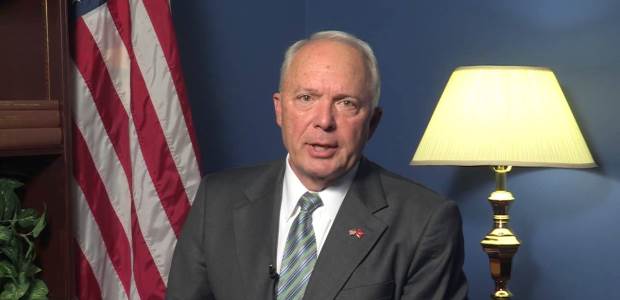
Rep. John Kline, R-Minn., would have lost the chairmanship of the U.S. House Education and the Workforce Committee at the end of 2016 because of Republicans' committee chairmanship term limits.

Local monitoring systems provide sufficient time to remove your workers from harm’s way—from the impending lightning strike.

Brief job task simulations are often not particularly effective for evaluating an individual’s ability to perform a job that has a significant extended energy expenditure requirement.

Wireless gas monitoring is flexible and provides more control—at a time when regulators are about to make sure you have such control.

Employers should not focus only on the NRR when selecting protectors.

What requirements must a hearing protector meet for arc flash protection?

HR managers can leverage their position in highlighting the value of employees and use their knowledge and skills to drive positive outcomes.

Employers can ensure their sites comply with OSHA's 1910.133 eye and face protection standard by following the fundamental hierarchy of controls.

A new report calls on all parts of the health care system to adopt quality improvement programs in areas such as cardiac arrest, tracking system performance, accountability, and training.
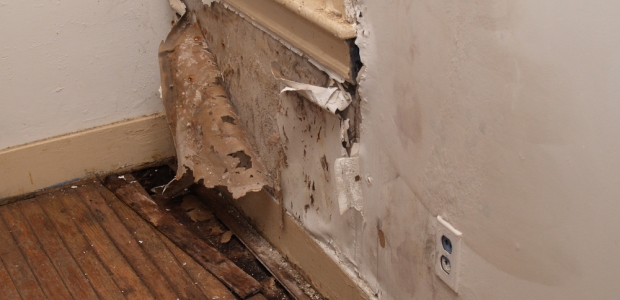
Any time there is moisture, we can get mold growth, especially when relative humidities are greater than 60 percent and the temperatures are higher than the recommended temps.