
Digital two-way radios leverage customizable emergency alerts, remote monitoring and automated safety features to protect lone workers and maintain operational continuity.
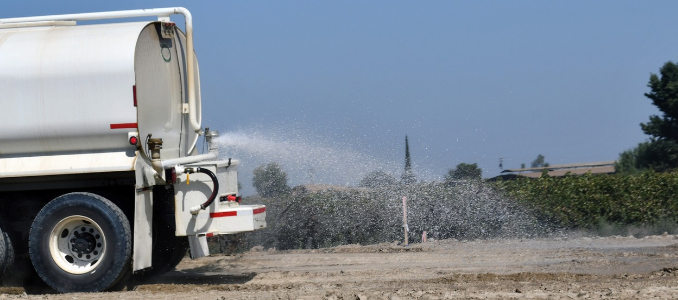
A truck most jobsites already have can wet down fire-prone ground and help control a blaze until firefighters arrive, with a few low-cost add-ons and some crew training.
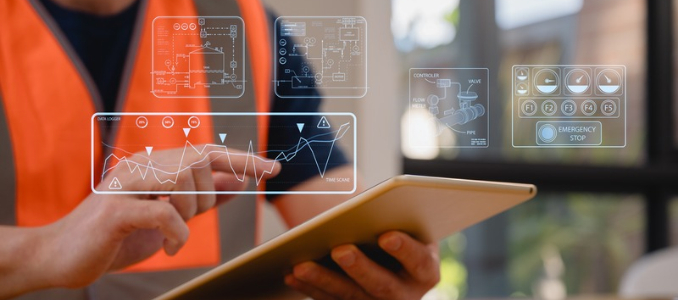
Most EHS departments already use AI, but few have scaled it. Keeping contractor data current, worker-level and standardized gives AI a reliable base for spotting serious risks earlier.
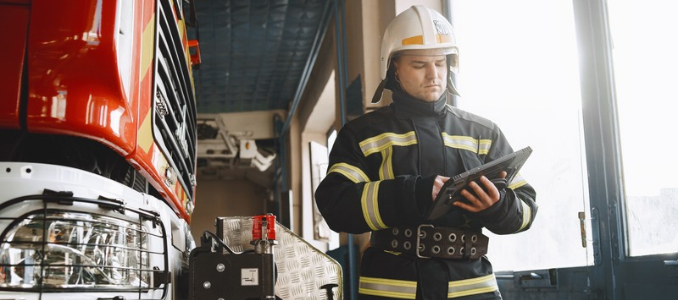
New national incident data could help responders prepare for OSHA’s proposed Emergency Response Standard.
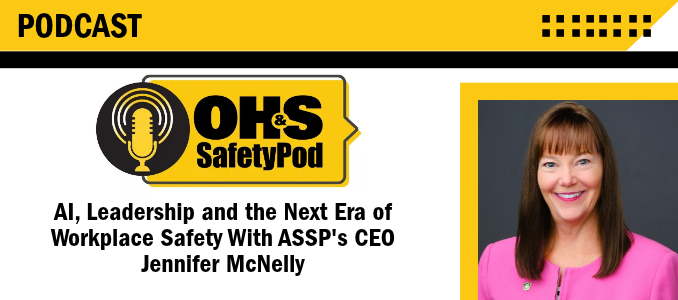
In a new OH&S SafetyPod episode, ASSP CEO Jennifer McNelly examines emerging technologies, evolving workplace risks and priorities for 2027.
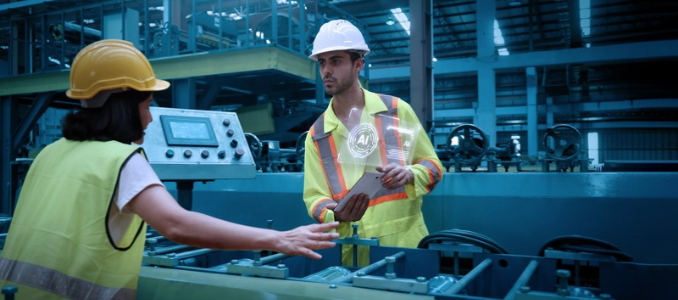
Most missed training deadlines come down to communication, not content. Here's how AI can target reminders, track completion lag and keep people in charge of competency decisions.

This week's products include cut-resistant apparel, carbon-toe work boots, pallet rack repair kits, an automated compressed air control and a weatherproof cable enclosure.
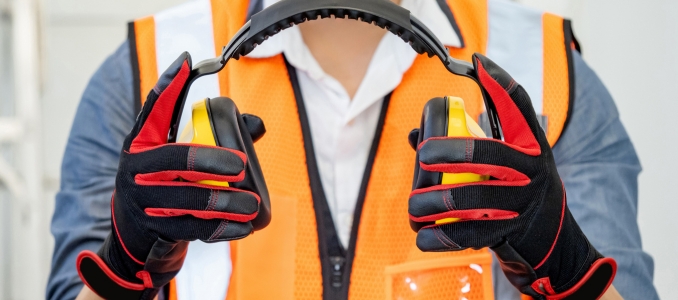
Long-term exposure to hazardous noise can affect worker safety, overall health and quality of life, making consistent hearing protection essential.
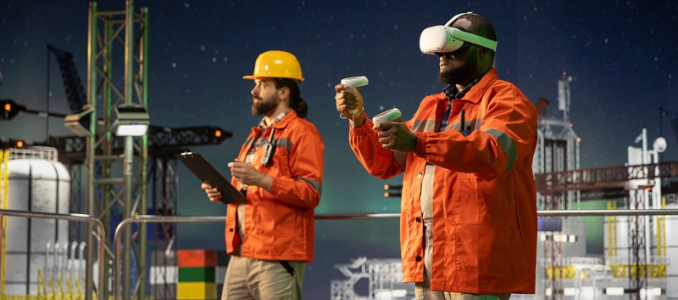
VR, AR and AI can expand training opportunities, but physical practice remains essential when workers must handle equipment, coordinate with teams and perform correctly in high-risk situations.

With OSHA's proposed heat rule unfinished but enforcement expanding, the metric an employer chooses to trigger protective action — Heat Index or wet bulb globe temperature — may matter more than the regulation itself.
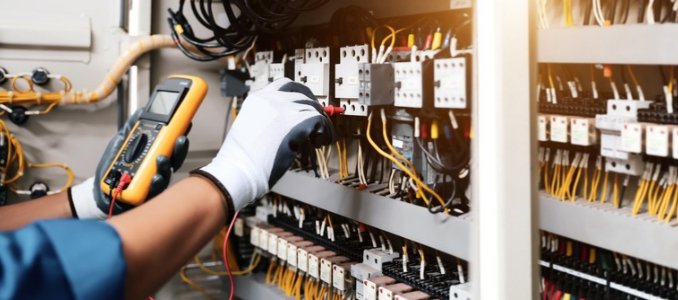
Electrical safety standards provide a framework, but real-world work doesn't always offer clear-cut choices. Five common gray areas show why understanding the hazard, the task and the worker’s qualifications matter when the right decision is not immediately obvious.

A rushed rollout produces resistance. A focused pilot and transparency on goals produce a program workers trust.
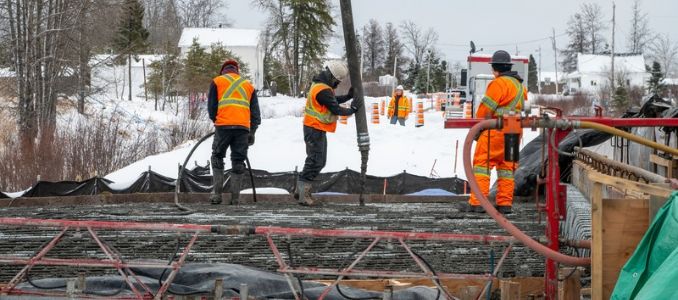
NOAA forecasts a very strong El Niño this winter, giving safety professionals regional guidance to prepare for likely worker hazards.

Changes in the 2027 edition of NFPA 70E strengthen conformity-assessment requirements for arc-rated protective clothing, giving safety managers new reasons to understand the testing, documentation and quality systems behind the PPE their workers rely on.

As HazCom 2024 implementation continues, employers should look beyond document management to ensure chemical inventories, workplace labels, ingredient information and employee training work together to protect workers.
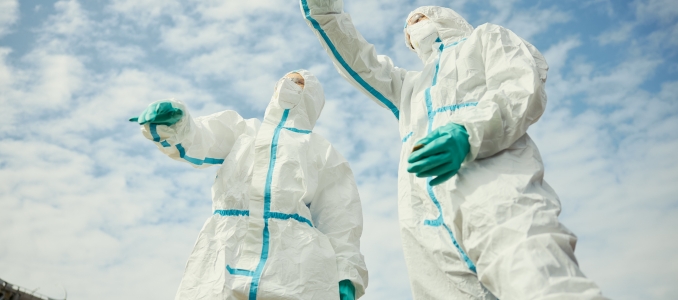
How testing methods and real-world conditions influence protective apparel performance.
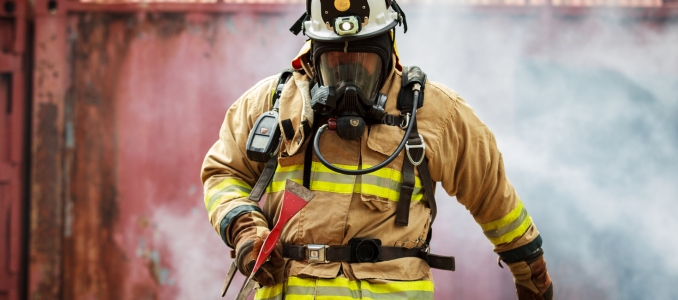
Potential changes to medical evaluation requirements could reduce administrative burdens, but effective respirator selection, exposure assessment, training and other core protections remain essential.