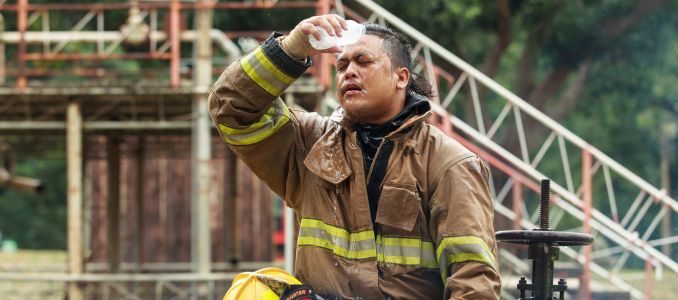
As OSHA advances a federal heat rule and temperatures continue to climb, safety professionals are reevaluating how FR and FR/AR clothing affects worker comfort, compliance and physiological strain.

Why workplace AED readiness depends on planning, accessibility and response coordination.
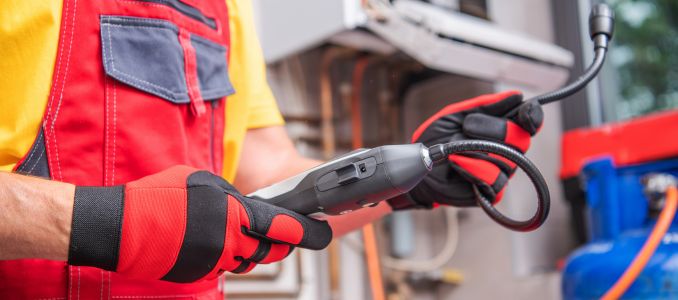
New innovations in gas detection are transforming devices from simple alarms into integrated safety tools that deliver data, improve usability, and enable more proactive workplace risk management.

How workforce wellness, PPE fit and fatigue reduction are transforming safety programs from reactive protection into proactive performance strategies.
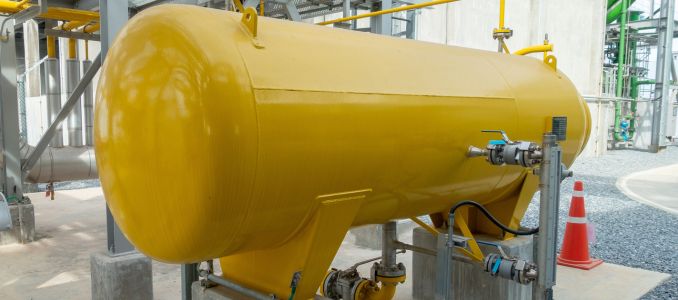
Tank inventory system training plays a key role in workforce protection, safe storage, and incident prevention.
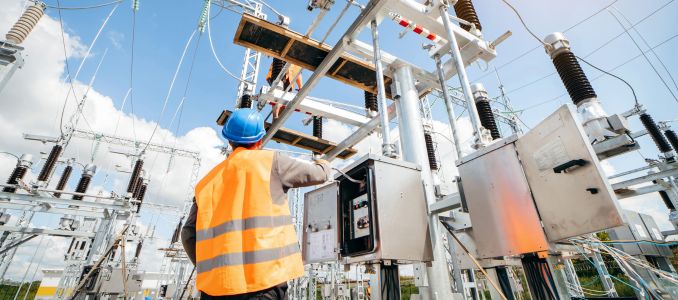
As electrical systems grow more complex, organizations must shift from checklist-driven compliance to proactive, culture-based safety strategies that identify risks early and empower workers to prevent incidents.

Traditional heat safety methods can miss critical risks. By combining environmental and physiological data, safety professionals can identify blind spots and shift toward predictive strategies that prevent heat-related incidents.

Legislation modernizes the retaliatory employment discrimination complaint process to improve transparency and efficiency.

Twenty-five years of transition from paper clipboards to AI image recognition have drastically accelerated inspection speed, yet checkbox fatigue and unresolved hazards remain.

Futurist Dan Chuparkoff outlines how machine learning transforms 1,300-page regulatory books and raw incident data into instantaneous, live workplace insights.