New safety solutions and facility updates focused on height protection, workplace organization and site accessibility.

Extreme heat warnings across Southern California are prompting renewed employer requirements for heat-illness prevention.
General Shale Brick faces $496,528 in proposed penalties after OSHA cited its Pennsylvania plant for silica-related violations.
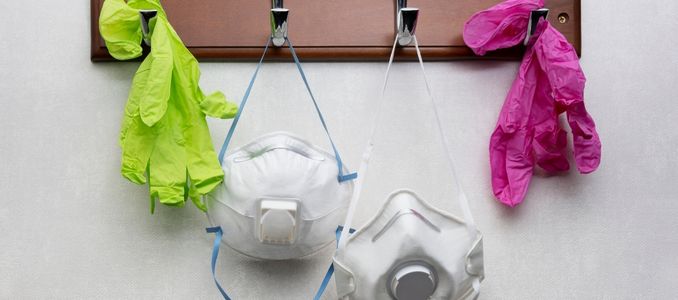
Federal safety officials release educational tools to help employers select, verify and properly fit protective respiratory gear.
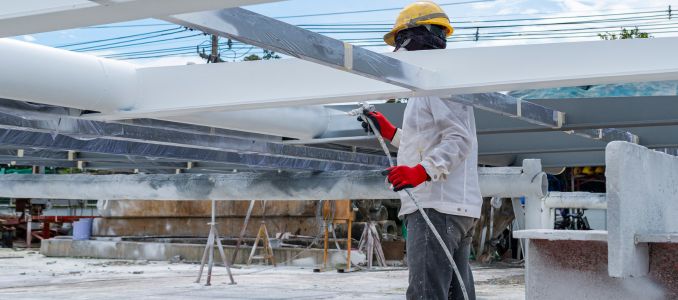
State regulators are now actively checking contractor compliance for fire-resistant material applicators across qualified construction projects.
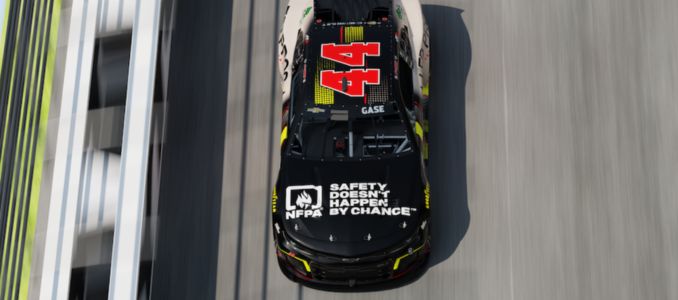
The National Fire Protection Association and driver Joey Gase are using Daytona International Speedway to highlight public safety rules.
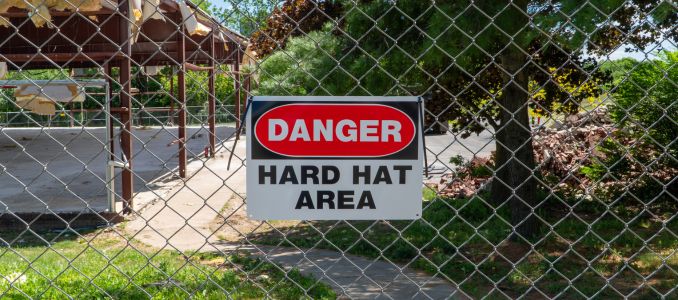
Muscle memory and routine expectations create cognitive blind spots during non-routine tasks, requiring dedicated risk profiles to protect senior personnel.
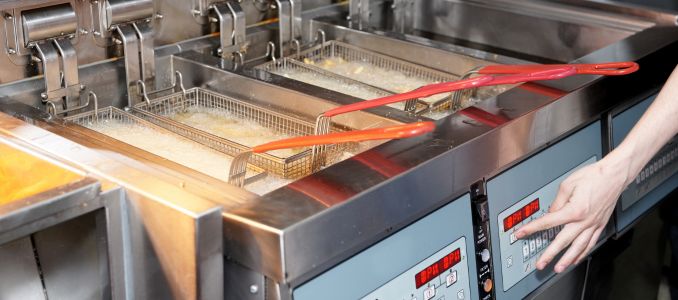
A Captain D franchisee paid more than $62,000 in penalties after exposing teenage workers to dangerous equipment and illegal hours

Safety managers can share their daily challenges with equipment buying and compliance in a new collaborative study open through Sept. 8.

As safety strategies evolve, employers risk losing the technical practitioners who connect compliance, advanced concepts and real-world risk.