
Modern industrial sites overload operator attention, making smart AI computer vision essential to distinguish real pedestrian hazards from ambient workplace noise.

OSHA reminds employers and workers that federal whistleblower laws help protect employees who report safety concerns and other unlawful conduct.
The survey found that many organizations lack the visibility needed to respond to growing supply chain risks.
Businesses across the country can access free resources to strengthen safety programs and recognize workplace achievements.
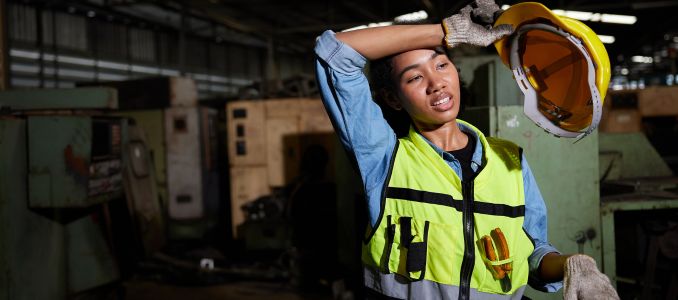
State safety officials urge companies to enforce indoor and outdoor heat protocols as temperatures soar across California through August 2.
The public meeting will review blaster licensing applicants and may include recommendations to the state labor commissioner.

Over-relying on backward-looking compliance metrics like TRIR consumes critical bandwidth without addressing the root causes that drive serious workplace harm.

Surge in Michigan workplace deaths prompts state officials to call for proactive safety measures and hazard training.

Guidelines mandate shaded rest areas and scheduled cool-down periods when temperatures reach 90 degrees.
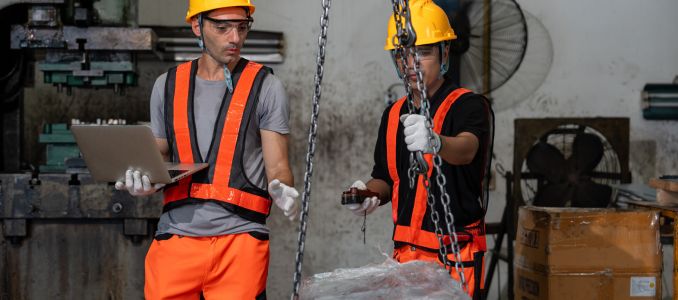
Safety briefings and workplace posters fail to prevent musculoskeletal injuries because passive learning lacks muscle memory; bridging the gap requires hands-on practice with immediate feedback.