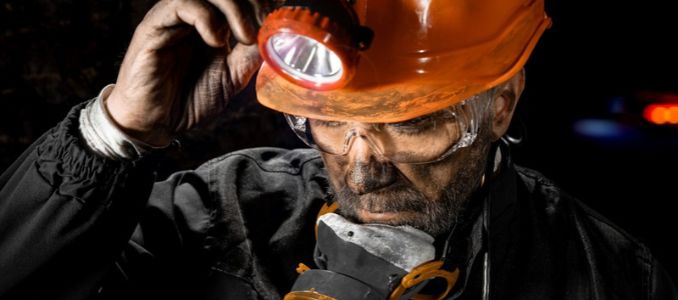
Health professionals and mining families raised concerns about dust exposure and access to disability benefits.

Susan Harwood grants will support 67 organizations providing hazard-recognition and prevention training nationwide.
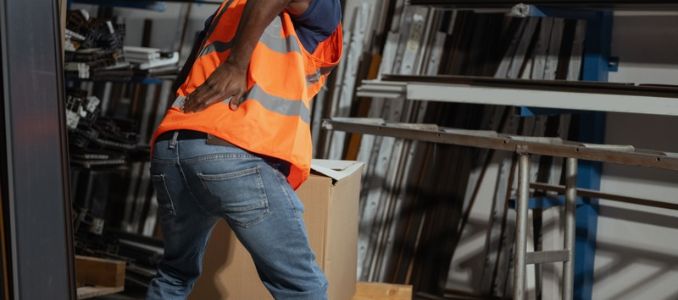
October outreach offers employers training and planning resources to address hazards associated with moving loads.
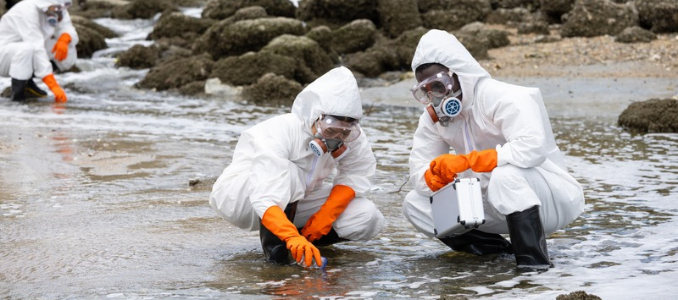
SB 1046 requires Cal/OSHA to propose safety standards for lifeguards, park rangers and other high-risk employees by 2030.
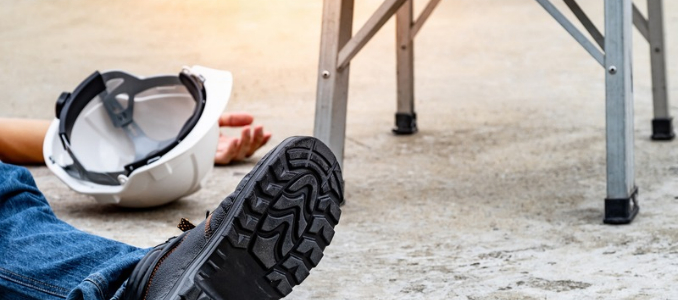
The national partnership will develop training and resources to help employers identify hazards that could cause severe injuries or deaths.
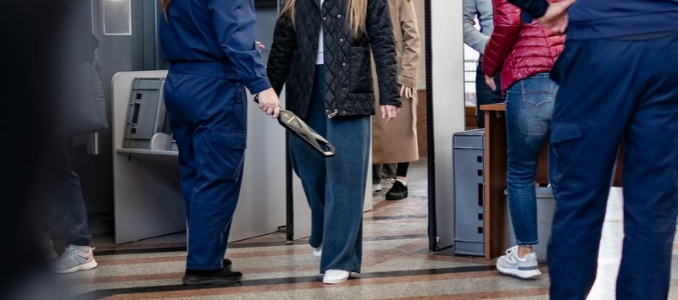
The proposal also calls for written policies, trained screening personnel and procedures for detected weapons.

The WORK to Save Lives Act would direct OSHA to issue employer guidance and set overdose-response requirements for federal agencies.

The National Fire Protection Association is partnering with NASCAR driver Joey Gase to promote lithium-ion battery safety during Fire Prevention Week, Oct. 4-10.

Federal data show transportation incidents were the leading cause of North Carolina's workplace deaths in 2024, accounting for 39% of fatalities.

The new chapter will support regional coordination on electrical code enforcement, education and training.

J. J. Keller recognized safety leaders from a plastics equipment manufacturer, a demolition company and a logistics business.

The 50-page resource uses workplace stories and practical tips to help employees apply ergonomics without technical jargon.

Existing requirements for worker involvement and reviews of refinery hazards will remain in place.

A $95,000 OSHA grant will fund a curriculum on recognizing and responding to heat illness in communications infrastructure work.

Guides, online training and multilingual materials explain workplace hazards, worker rights and how to report concerns.

The new concentrations and certificates address stress, resilience and organizational support in high-risk public safety professions.
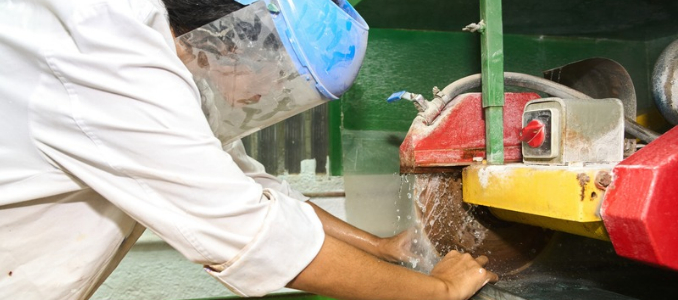
A proposed emergency regulation would prohibit fabrication of engineered stone containing more than 1% crystalline silica as California seeks to address silicosis among countertop workers.