
The summer pilot provided employers and workers with information on young worker protections, workplace safety and heat illness prevention across 22 counties.
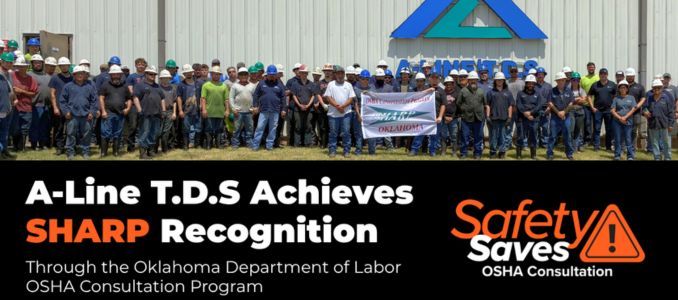
A-Line TDS implemented changes to its safety program after participating in OSHA On-Site Consultation, including greater employee involvement in daily safety meetings.
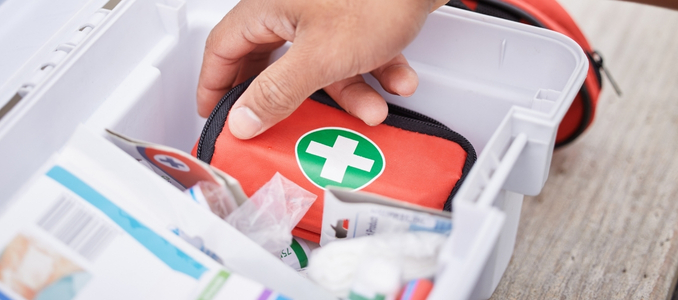
The voluntary 2026 revision identifies naloxone as a supplemental supply and adds guidance for first aid, CPR and AED training.
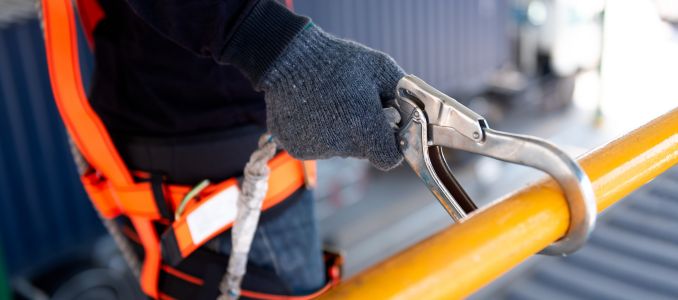
New analysis connects frequently cited workplace standards with federal injury, illness and fatality data.

Investigators found that 11 administrative controls failed to stop flammable gas from entering Furnace 5 and causing the explosion.

The G8 devices provide workers at the U.K. facility with fall alerts, location tracking and 24-hour emergency monitoring.
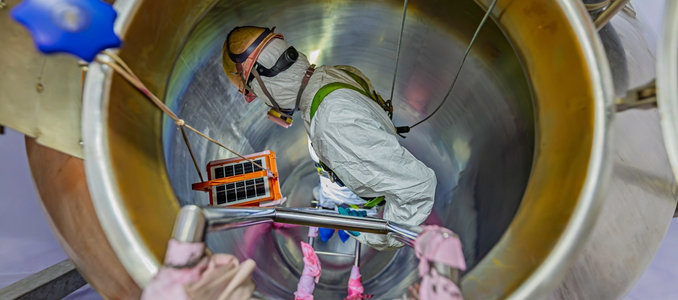
The submersible technology reduced confined-space entries to zero across 385 tank inspections.

Procter & Gamble safety leader Karen LaRue was recognized for her contributions to workplace safety and her support of women in the profession.
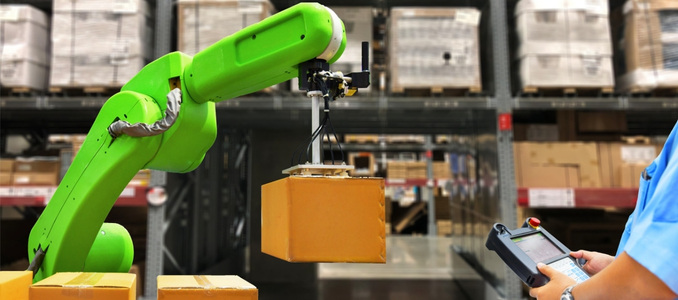
Covered businesses must choose among three remedies for workers displaced by autonomous robots.

Inspectors found workers exposed to falls of up to 25 feet and cited violations involving protective equipment, ladders and stairways.
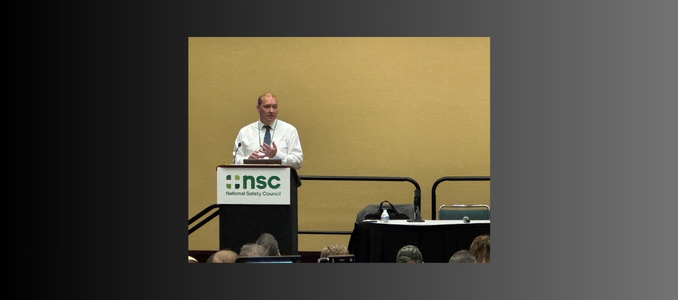
Fall protection remained OSHA’s most frequently cited standard for the 16th consecutive year, while an agency official offered a closer look at the compliance problems behind this year’s list.

National Safety Council recognition honors a mid-career professional for contributions to workplace safety, education and standards.

Road safety education, predictive analytics and mobile traffic control earned recognition from the National Safety Council.
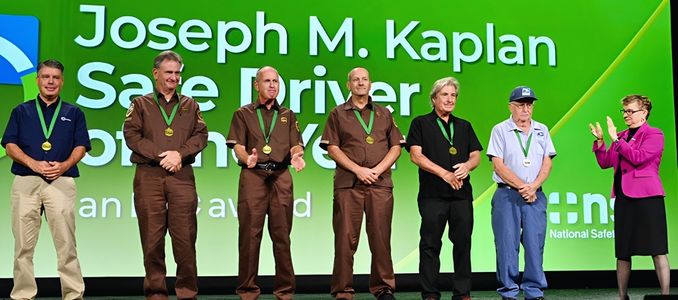
Honorees were selected based on miles and years driven without a preventable crash.

Recipients were recognized for work in injury prevention, construction safety, risk management and safety leadership.
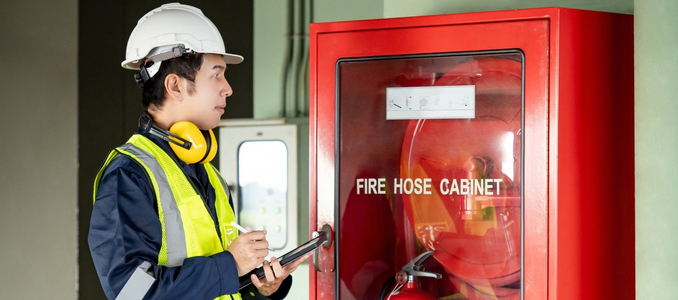
The resource cites OSHA standards 1926.150 through 1926.157 for construction fire protection.

The 2026 revision expands optional testing for retention, chin straps and multidirectional impacts without replacing current classifications.