
The six-year effort included 600 hours of training, 28 annual safety inspections and a four-day OSHA review.

NFPA’s annual campaign highlights charging practices and warning signs of lithium-ion battery failure.

More than 50 sessions in Tacoma will cover workplace safety, with additional workshops on performance and artificial intelligence.
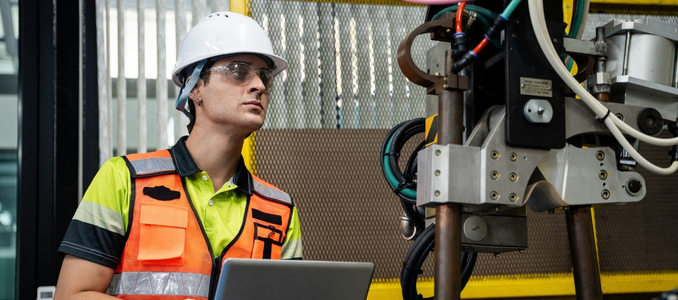
The five-year award will support continued training through the Mountain and Plains Education and Research Center through 2031.

Most workers killed in crane accidents since 2015 were not the operator, the report found.
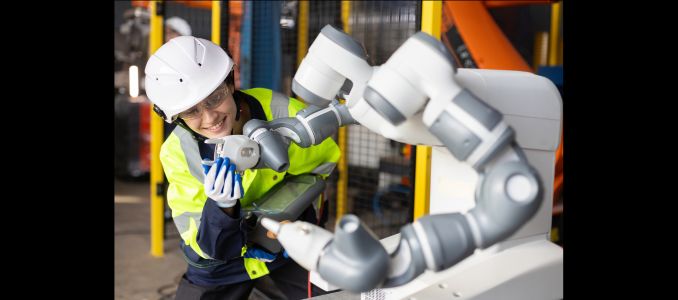
The new system targets applications where employees and robots share workspaces, bringing human-robot interaction and safeguards into focus.

The quarterly forecast will give PPE manufacturers advance information on anticipated federal demand, including routine purchases, stock replenishment and potential emergency needs.

New and returning workers can face heightened heat illness risks before they acclimatize

State safety officials are directing agricultural employers to train on tractor operation and rural road hazards.
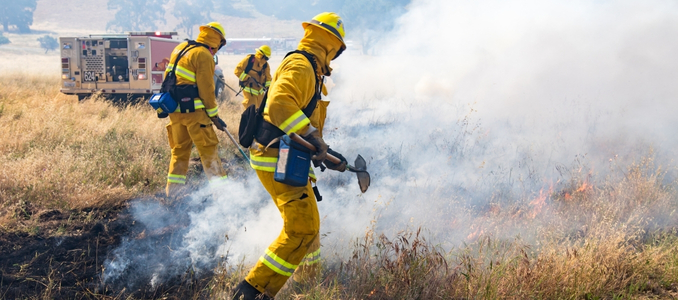
The measure would direct the U.S. Forest Service and Department of Interior to work with OSHA, NIOSH and wildfire agencies on the requirements.

The summer pilot provided employers and workers with information on young worker protections, workplace safety and heat illness prevention across 22 counties.
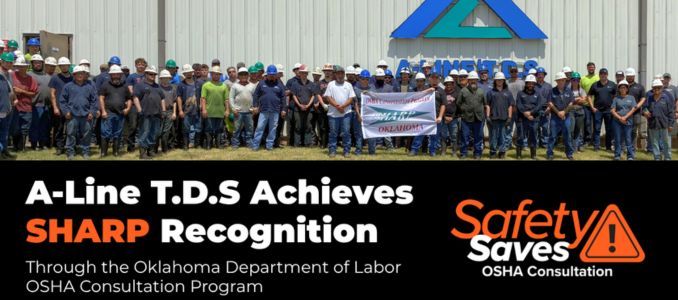
A-Line TDS implemented changes to its safety program after participating in OSHA On-Site Consultation, including greater employee involvement in daily safety meetings.
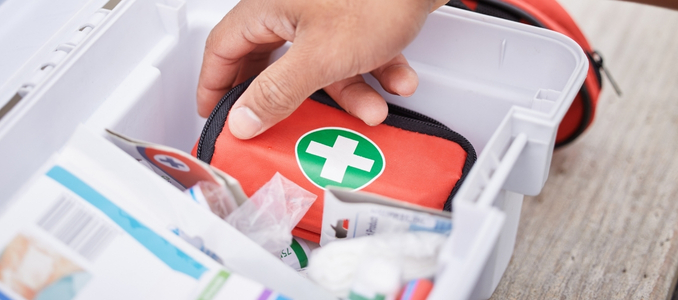
The voluntary 2026 revision identifies naloxone as a supplemental supply and adds guidance for first aid, CPR and AED training.
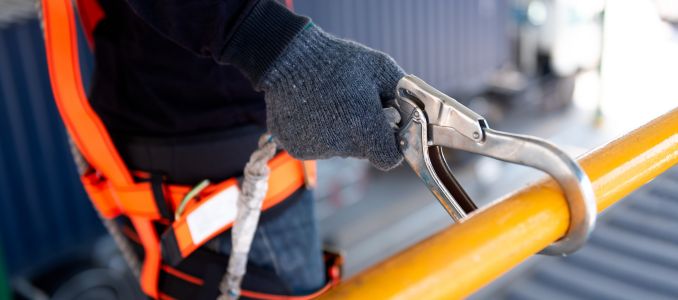
New analysis connects frequently cited workplace standards with federal injury, illness and fatality data.
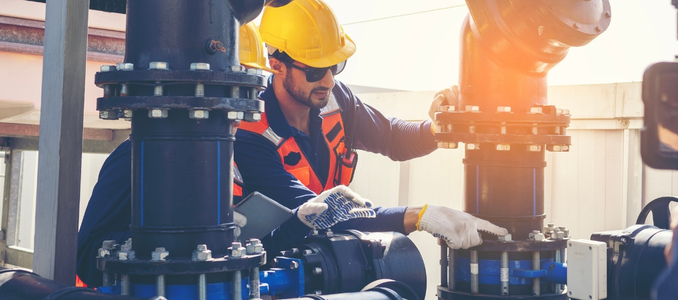
Investigators found that 11 administrative controls failed to stop flammable gas from entering Furnace 5 and causing the explosion.
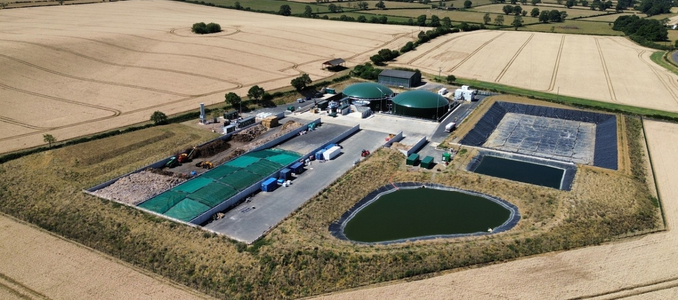
The G8 devices provide workers at the U.K. facility with fall alerts, location tracking and 24-hour emergency monitoring.
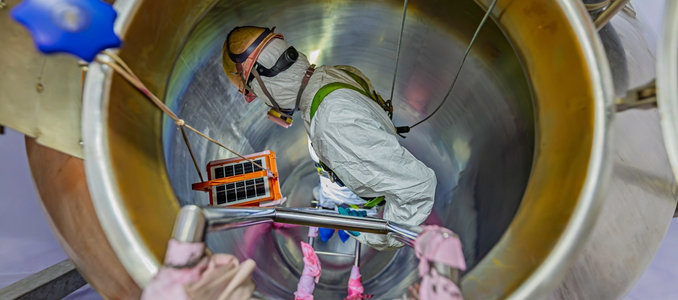
The submersible technology reduced confined-space entries to zero across 385 tank inspections.