
The Oct. 26-29 course in Greeneville is designed for supervisors, safety committee members and safety professionals.

A new fact sheet covers reversal medications, kit placement and employee training for overdose response.
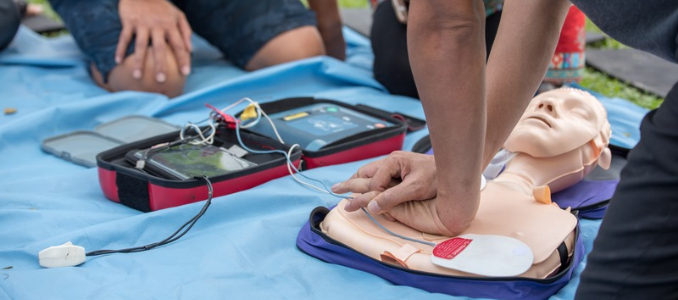
Their actions included performing CPR, aiding a man after a 60-foot canyon fall and helping another man move away from a bridge railing.

The survey of 500 workers ages 18 to 35 examined onboarding, knowledge transfer and attitudes toward workplace technology.
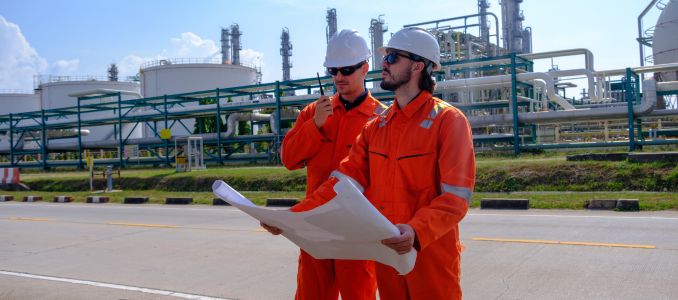
The proposal addresses definitions and apprentice wage and occupation notifications, with a public hearing scheduled for Oct. 29.
The planned partnership would provide employers and workers with shared safety information, educational resources and training.
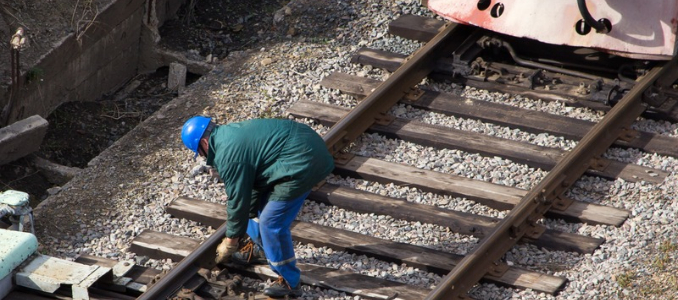
Fourteen workers were killed and two were seriously injured in 16 accidents involving shoving movements investigated since October 2020.

Employers can identify musculoskeletal risks earlier by evaluating job tasks, tracking worker discomfort and providing job-specific movement training.
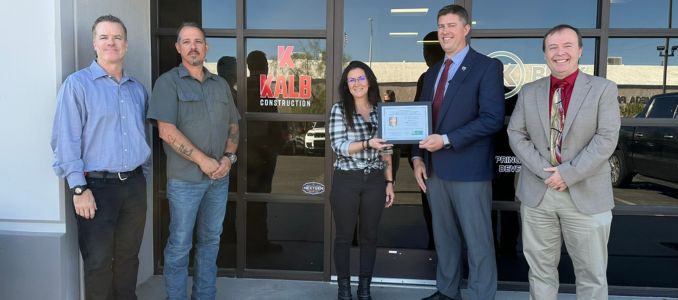
The Las Vegas contractor expanded training, introduced near-miss reporting and increased employee participation in identifying hazards.

The six-year effort included 600 hours of training, 28 annual safety inspections and a four-day OSHA review.
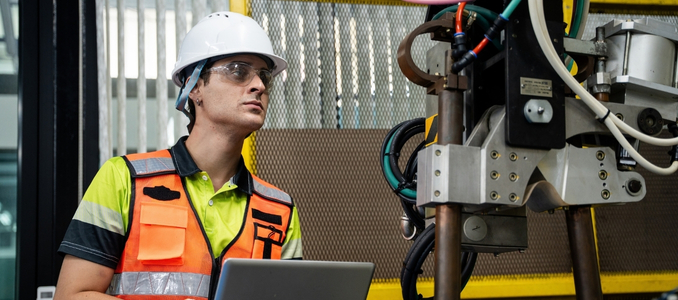
The five-year award will support continued training through the Mountain and Plains Education and Research Center through 2031.

Most workers killed in crane accidents since 2015 were not the operator, the report found.

State safety officials are directing agricultural employers to train on tractor operation and rural road hazards.
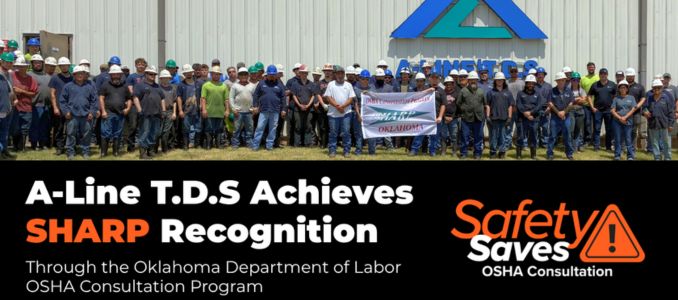
A-Line TDS implemented changes to its safety program after participating in OSHA On-Site Consultation, including greater employee involvement in daily safety meetings.

The voluntary 2026 revision identifies naloxone as a supplemental supply and adds guidance for first aid, CPR and AED training.

Incident data, worker feedback and control effectiveness can help employers prioritize investments when resources are limited.

Simply installing an automated external defibrillator isn't enough. A truly effective AED program depends on planning, maintenance, training and readiness.

Effective combustible dust prevention begins with understanding facility-specific hazards. Dust testing, hazard analyses, engineering controls, housekeeping, and employee training work together to reduce fire and explosion risks while supporting safer operations.

The new online platform allows employers to access safety training, manage worker credentials and track course completion across multiple providers.

Voluntary program evaluates safety practices at mines and quarries across the state.