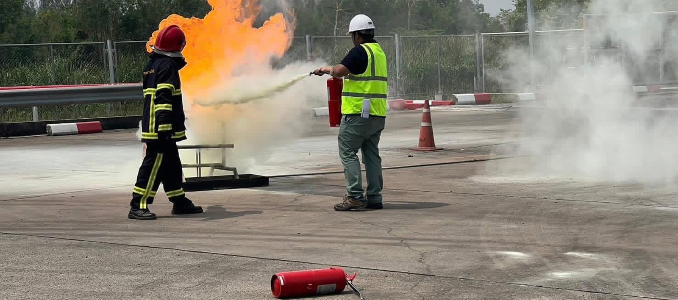
Lithium-ion battery hazards, hands-on extinguisher practice and recurring storage and hot work violations deserve attention for the rest of 2026.
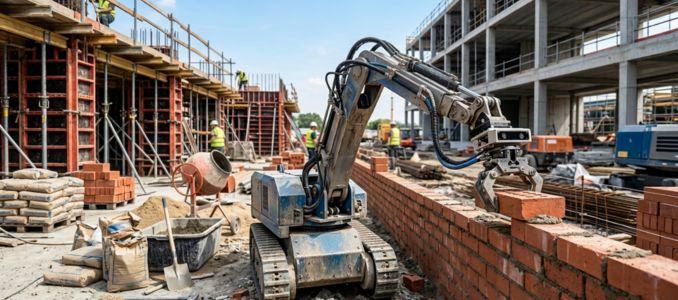
As robots take on more construction tasks, researchers emphasize the need to address human-robot interactions, equipment hazards and changing jobsite conditions.
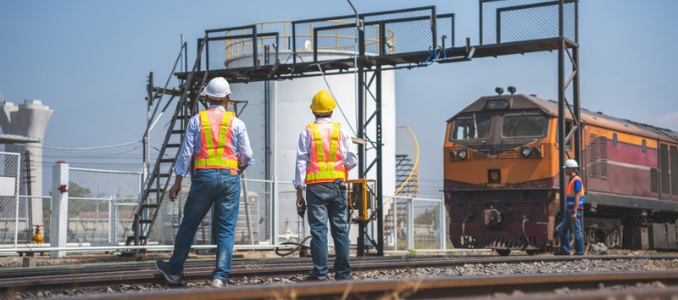
The rail safety nonprofit debuted public service announcements for RV drivers and motorists near transit trains and held its first Emergency Notification System Sign Awareness Day.
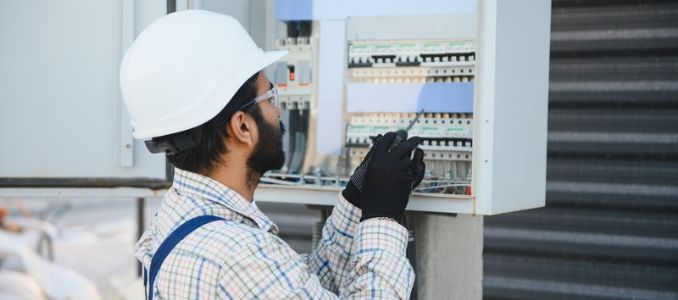
The amendments carry out a law that, since Jan. 1, has required installers on public works projects to be certified through a nationally recognized training program.

Entries are due Feb. 12, 2027, and the top three in each category win $300 to $500, with matching awards for first-place winners' schools.

The CGA is reaching out to Spanish-speaking construction, landscaping and fence-building workers.
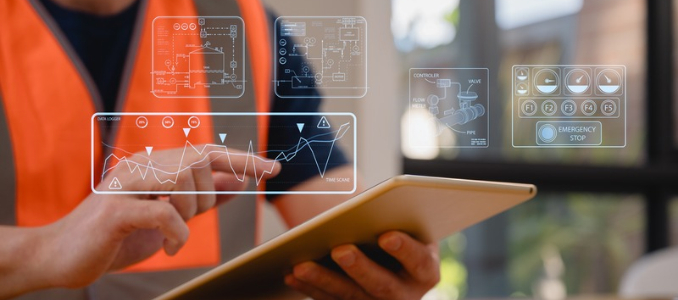
Most EHS departments already use AI, but few have scaled it. Keeping contractor data current, worker-level and standardized gives AI a reliable base for spotting serious risks earlier.
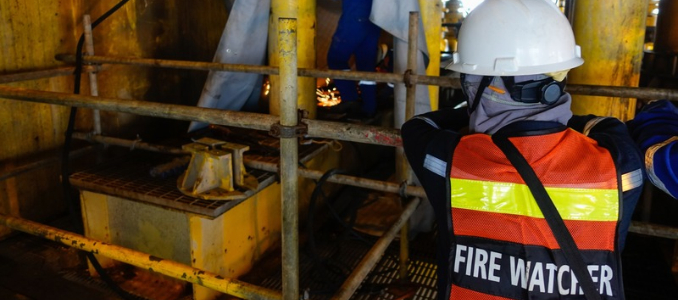
The guide covers when facilities must establish fire watch coverage, along with pre-shift hazard checks, logging and emergency response.
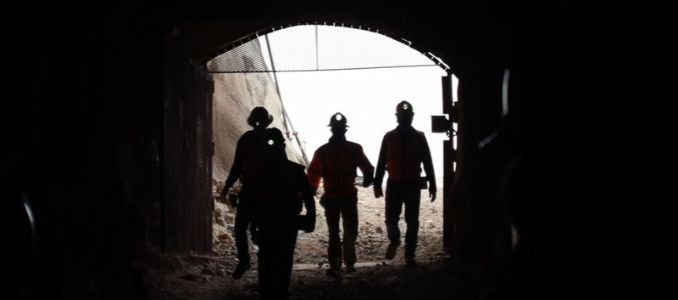
More than $10.5 million will fund required instruction for new and experienced miners, with programs tailored to local hazards.
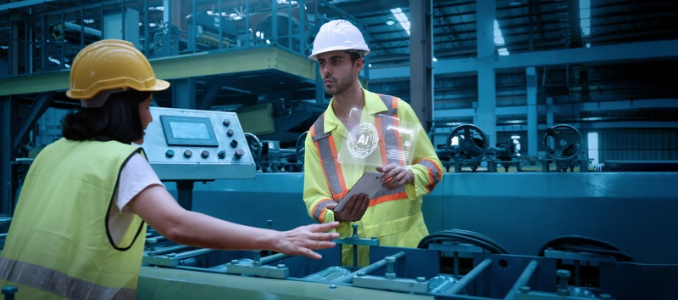
Most missed training deadlines come down to communication, not content. Here's how AI can target reminders, track completion lag and keep people in charge of competency decisions.
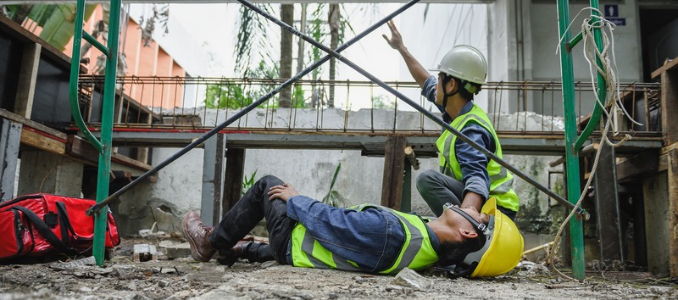
Coworkers are often first on the scene, and knowing what to do and what not to do can keep a possible spinal injury from getting worse.
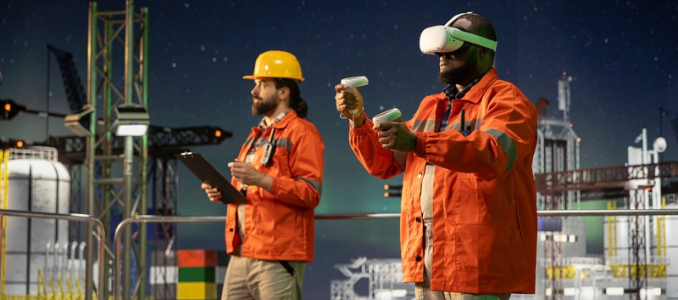
VR, AR and AI can expand training opportunities, but physical practice remains essential when workers must handle equipment, coordinate with teams and perform correctly in high-risk situations.
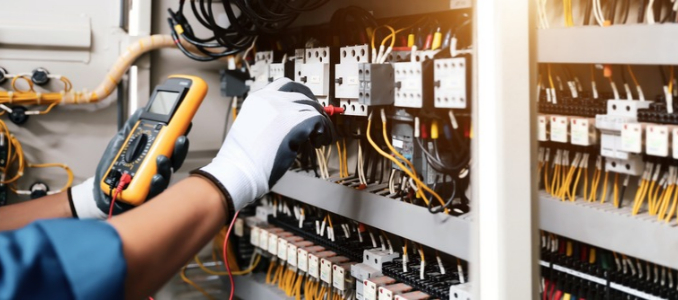
Electrical safety standards provide a framework, but real-world work doesn't always offer clear-cut choices. Five common gray areas show why understanding the hazard, the task and the worker’s qualifications matter when the right decision is not immediately obvious.
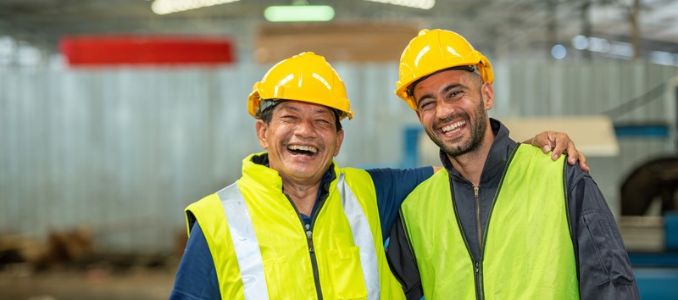
Moving beyond fear-based messaging and focusing on discovery, participation and personal value can help safety leaders create more meaningful learning experiences.

The agreement, which is not legally binding, covers joint training, technical briefings for federal and state OSHA staff, and resources in multiple languages on spotting and preventing SIF risks.

A hazard communication program takes more than just safety data sheets and labels. Here are the gaps that cause citations and how to close them.

Warehouse workers and employers will receive free training materials on battery hazards after OSHA reviews and approves the curriculum.
AI use in workplace safety is growing, but investment, data quality and organizational challenges remain barriers.

The initial round is expected to support training for 631 workers, part of an estimated $4 million in federally funded grants.
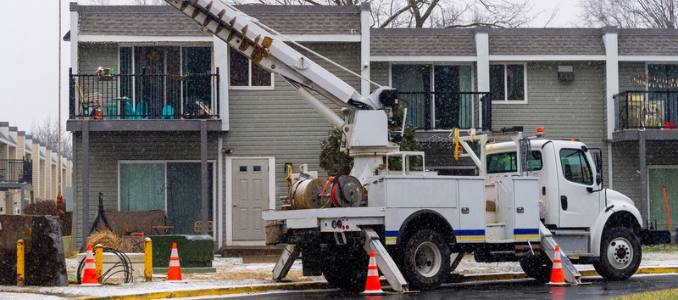
A state investigation identified an overloaded crane, inadequate operator training and a lack of equipment inspections as contributing factors in the fatal lifting incident.