"Regulations for the Safe Transport of Radioactive Material" is an international standard promoting the safe and secure transportation of radioactive material, a standard IAEA reviews and updates periodically. And IAEA has released its draft for a 120-day Member State review.

The rule will require Medicare and Medicaid participating providers and suppliers to develop an emergency plan using an all-hazards approach and to meet other industry best practices.
The funds will help local farmers with implementation.
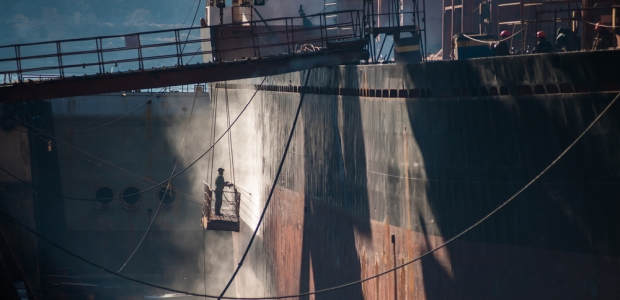
Falls are a leading cause of shipyard fatalities, according to OSHA, which states that 40 percent of all fatal incidents in shipyard employment from 1992 to 2014 resulted from falls to a lower level, citing BLS data. The current standards haven't been updated since 1971.

"The best way we, in the occupational safety and health community, can honor workers today and throughout the year, is to ensure safe and healthful working conditions for every man and woman—young and old alike," NIOSH Director Dr. John Howard wrote in his Labor Day 2016 message.
The updated plan will align labeling and classification for the hazards of workplace chemicals.

From OSHA's National Safety Stand-Down to bridge collapse investigations and trenching hazards, the construction industry can learn from mistakes in order to boost its safety performance.

The rules are the first for operational use for routine non-hobbyist drones.

The Department of Industrial Relations, the Governor's Office of Emergency Services, and the California Environmental Protection Agency announced new rules to strengthen safety at oil refineries statewide in July.

The agencies have not proposed a specific set speed but has considered the benefits of 60, 65, and 68 mph. Those three limits would save anywhere from 27 to 498 lives annually, they estimate.
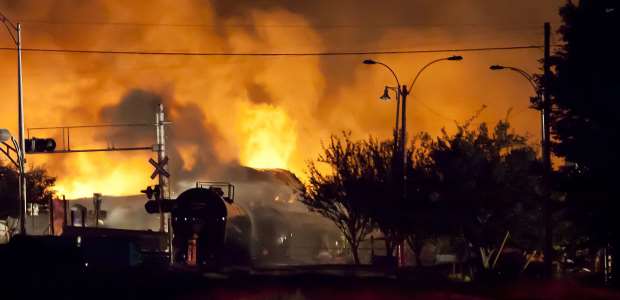
Four facilities in the state currently receiving crude oil shipments by rail and two pipelines that transport crude, along with new facilities and pipelines that are built, must notify the Washington Department of Ecology in advance.
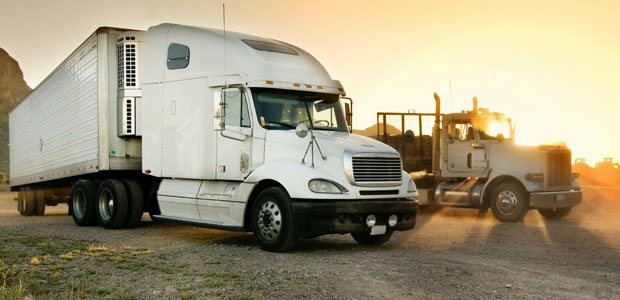
In terms of emissions and energy use, trucks are the second-largest segment in U.S. transportation.

The Women's Bureau has awarded $1.1 million in grants for research on how these programs can be developed in the United States.

A new scoring system addresses these categories: structural integrity, safety, maintainability, reliability, fuel economy, emissions, noise, and performance.
The overall respirable dust standard in coal mines is reduced from 2.0 to 1.5 milligrams per cubic meter of air.
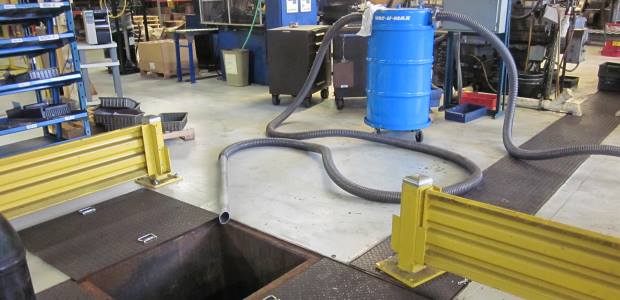
From grain handling operations to heavy blast material, pit cleaning with vacuums allows workers to clean outside of confined space.
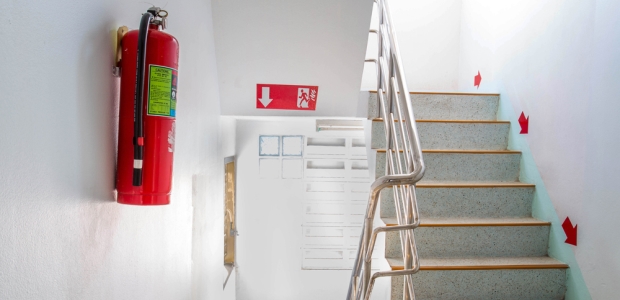
The Plan-Do-Check-Act model, which both DHS and FEMA use, really helps when implementing and practicing your emergency plans.
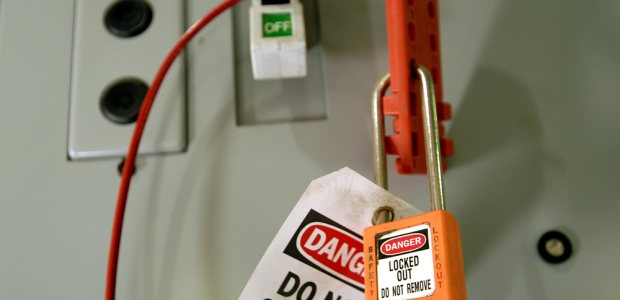
A program that encourages communication can identify strengths and weaknesses much more efficiently than a program that remains static and unchanging after initial training.
The standards to be followed are Sanitation Standard Operating Procedures (SSOPs); Good Manufacturing Practices (GMPs); a Pathogen Monitoring Program (PMP) for Lm that includes environmental, ingredient, and finished product testing; and a Hazard Analysis and Critical Control Points (HACCP) plan and/or a written Food Safety Plan.
Grantees will have to develop plants for assets, including vehicles, facilities, equipment, and infrastructure. In 2013, FTA says, the transit industry deferred maintenance needs to a tune of $86 billion, representing more than 12 percent of total assets nationwide.