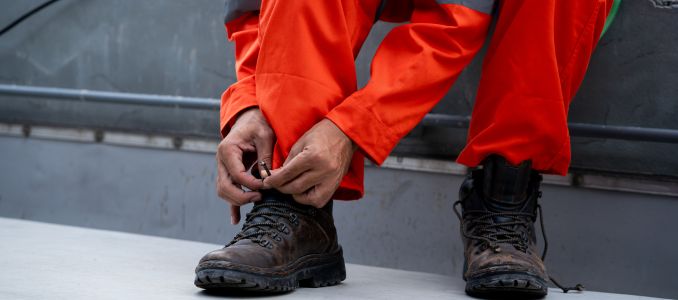
Advancements in materials, comfort and performance are reshaping safety footwear, offering workers lighter, more supportive options that meet evolving jobsite demands while maintaining essential protection.
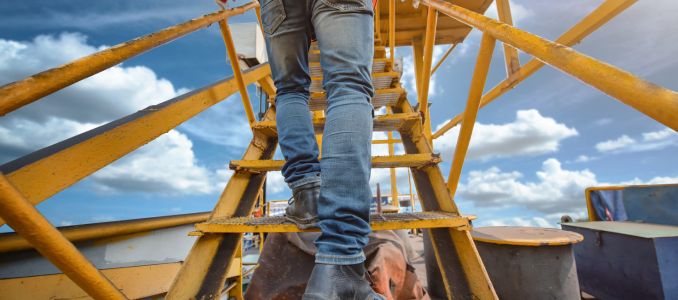
From ASTM codes to slip resistance and electrical ratings, this guide breaks down the alphabet soup of safety footwear standards and shows how to apply them in real-world workplace decisions.

Steel-toed boots are a safety staple, but knowing when to use them—and when to consider alternatives—can make all the difference in foot protection and comfort.

Protective boots don’t just prevent injuries — they boost morale, productivity, and on-the-job confidence.

Understanding the essential elements of footwear protection in tough, high-risk industries.
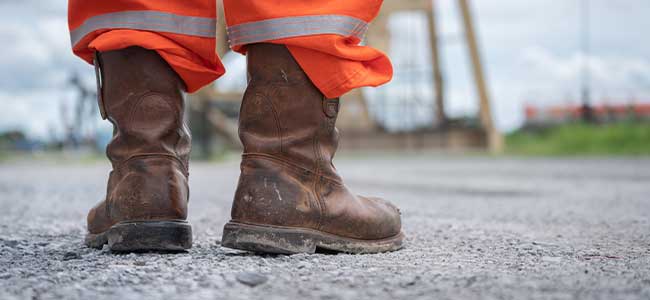
Ensuring optimal fit, durability and protection is critical for worker performance and safety.
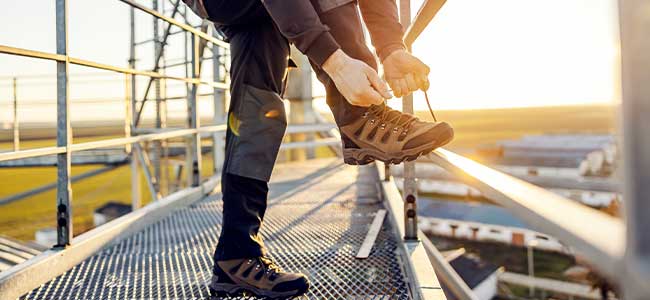
What types are available? What are their differences?
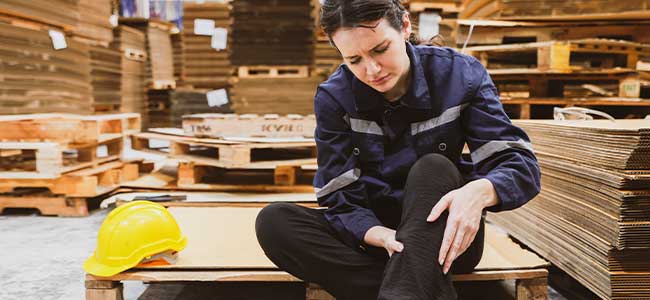
Proper footwear fit is critical to performance and safety for women on the job. What is the research around women’s foot design and which features go into ensuring women’s safety?
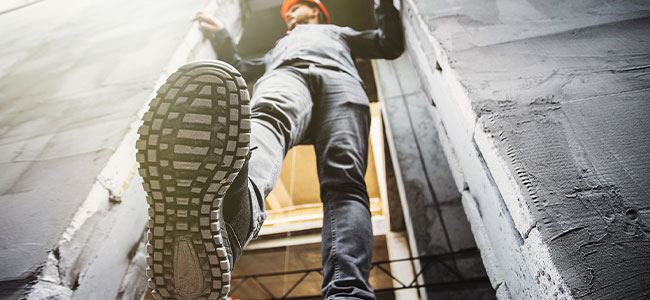
Stepping up safety for specific environmental, application and exposure risks.

From tailor-made fits using advanced technology to eco-friendly materials, ensuring workers’ foot safety involves several key considerations.
Taking safety footwear beyond standard compliance

The cost of occupational fatigue and a wellness benefit solution.
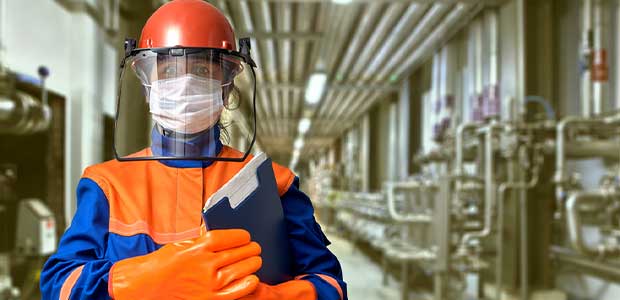
What factors do you need to consider when selecting workwear?

When selecting footwear, workers should consider multiple factors to ensure their safety.

There are four key factors to keep in mind when choosing the right safety footwear for workers.

To avoid nonfatal and fatal falls, employers need to know how to keep workers safe.

Entries for the third annual award program are due by March 3, 2023.
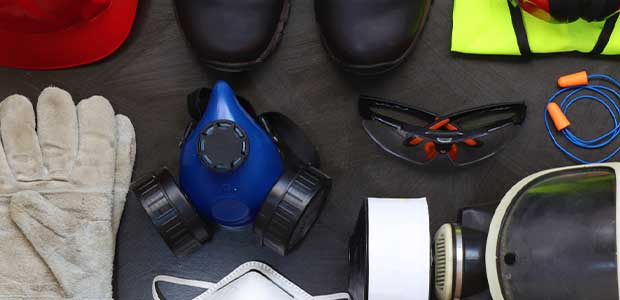
According to the study, the main reasons employees don’t wear PPE are that they don’t want to, they think it's unnecessary and it makes work harder.

Protective footwear delays are expected to continue throughout 2022 and into 2023.
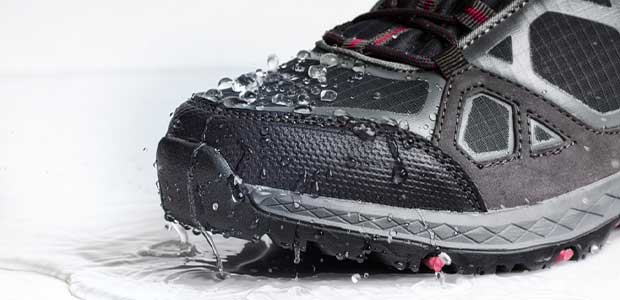
A new ASTM standard could help employees feel safer on their feet.