
In the event of a flood, have the right pump on hand to handle what could be in the water.
Construction falls and trench collapses might occur at any time during the year, but they typically peak during the summer.
With the reduction in size and weight comes a reduction in price, making PFLs more affordable than ever.
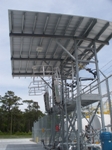
A refueling system installed at the Marine Corps' Camp Lejeune used aluminum safety enclosures to provide fall protection for operators during refueling and adjustable chain stops for extra sturdiness.

Passive aggressive behavior is by far the most common form of hostility in the workplace. It is a far more subtle form of anger.
The ASTM D7338 standard sets the bar for best practice for assessing fungal growth in buildings. A sampling guide and strategy will be one of the next work items for the subcommittee.
Organizations involved in training first aiders fast-tracked their new courses and materials when the new AHA guidelines came out.

Finding and fixing is the measurable heart of safety culture improvement.
Three keywords are the way to go with programs that encourage employees to become interested in better health.
Before taking steps to implement the program, you must understand the specific state and local requirements.
Minute holes in the soles of the footwear are the biggest area of concern in the protection scenarios.
Most proteins that can trigger latex allergies can be removed.

Parts made, safety, and employee morale have a significant impact. A tire manufacturer saved $500,000 from its injury costs the first year.
"Engagement-based safety" utilizes incentives as they should be used, rewarding employees for proactively doing the right things, says KL&P Motivation's Jon Kaufman.
Following the diacetyl hazard scare, many food manufacturers turned to flavor alternatives -- only to find out their problems had followed them.

Experts wonder whether the next generation of American workers will be healthy enough for the long haul. The latest diabetes estimates from CDC and new dietary guidelines from HHS and USDA are warning signs.

The Federal Motor Carrier Safety Administration has promised "continuous improvement" of CSA 2010, and carriers are counting on it.