Current drug testing programs, following the lead of federal programs, do not identify most nonmedical prescription and synthetic drug use.

It was hot, and it immediately became difficult to breathe. The space inside the condenser was, in a word, confining.
As mass manufacturing and processing of fresh produce increases due to demand and dietary recommendations to increase fruit and vegetable consumption, so may the risk from foodborne illness.
The latest knowledge in resuscitation science guides AED/CPR programs and training.
"We teach our client how to engage their people in continuous improvement teams. And then the employees start solving their own problems."
The security professional needs help from a process safety expert to understand and prioritize what needs to be protected on the site.
Some gloves can be more of a hazard than a help in an arc flash situation.

Make the training interesting. Get your employees engaged and keep them safe.
Accidents are simply another kind of defect -- a deviation from the standard of perfection. And, like quality, these defects must be detected and eliminated at the moment they first appear.
It's true: Your risks can be reduced by focusing on managing your chemical inventory.
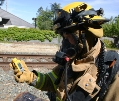
"Today, I can hand you a gas monitor, and it's really a trust-based scenario. Whereas with a real-time feed, it's trust and verify. I can see where you are. I know what kind of readings you're getting while you're out there."

Electrical safety radically improves when workers can determine a zero electrical energy state without any voltage exposure to themselves.

A highly sophisticated fire alarm network achieves new heights of control at a General Motors facility in Indianapolis.
Comparing two groups' retention of training material about fire extinguisher use and safety showed response technology was beneficial.
Enlist a safety team. Push your managers, machine operators, and safety personnel to gain a broad perspective on warehouse, assembly, and other manufacturing equipment and operations.
The heart and soul of any digital signage program is the content. Far too little focus is placed on this aspect of the program.
Understanding the dynamics of air pressure within your hazmat suit should provide welcome peace of mind.