Follow these steps to develop a comprehensive safety program that fully protects workers on the job.
Doing this right requires much more than simply a good chair.
If you have an active team that either drills regularly or has real incidents, they are continually showing their competency each time they respond.
Just like machines, people must be maintained, and training cannot occur only on rainy days and when the company has time.

Health professionals need to help raise awareness about the health risks of using an unclean cell phone.
With the phased acceptance of GHS document, classification, and labeling standards, the next few years could see significant and sweeping changes.
Management commitment is paramount to its success. Here’s how to translate it into concrete actions.
Head/face protection should be near the top of your list because it affects almost every other safety program you have on site.

"I think that the new rule the FAA has finalized is a great step forward when it comes to addressing fatigue in aviation," says NTSB Chairman Deborah A.P. Hersman.
Leadership is the key to an ideal safety culture.

As the hot weather approaches or if you have a hot work environment, get your employees into a temperature hardening program so they become acclimated.
The best way to use the time while we await the new labeling regulation is to train users to fit protectors correctly and use fit testing to document the protection provided by a given protector.
Orienting and training employees is a crucial step in promoting a safe work environment, which will determine company insurance costs in the near future.
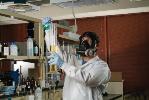
A working knowledge of applicable standards is critical to a company's continued success. However, understanding your requirements isn't necessarily easy.
Selection and employee training and assessment are your end to the process, not the beginning.

Requiring offshore operators to submit and then audit a Safety and Environmental Management Systems plan means their training and safety management elements will stay current.

For those unavoidable times when spills do occur, work areas that contain hazardous chemicals should have a properly labeled chemical spill response kit.