
Companies should keep in mind that while standards are in place for a reason, exceeding them will always create a safer workplace.

Especially in the summer months, employee comfort is a critical factor as wearer comfort directly impacts a user's want-to-wear experience.

Oregon Governor Kate Brown signed a law into effect on July 1 that will provide 12 weeks of paid leave to nearly every employee in the state.

NIOSH has released a chemical management strategy that can quickly protect workers on the job.
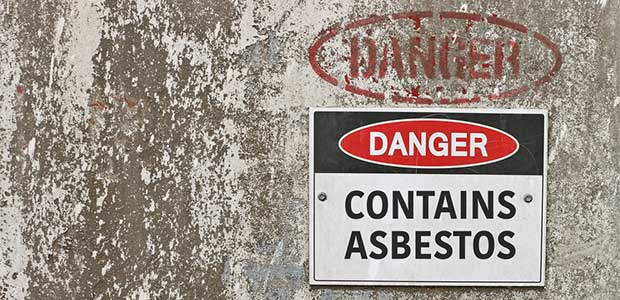
Over 125 million people are exposed to asbestos each year, and a large number of those incidents occur on the job.

A new interactive map released by New York City's Department of Buildings shows 8,000 construction sites that require safety training.

There was an unexpected decline in construction spending this past May after investment in private construction projects dropped to its lowest level in nearly two and a half years.

San Fransisco Mayor London Breed has signed an ordinance that effectively bans e-cigarette sales within the city—a first of its kind ban in the United States.

"This type of technology holds incredible promise for its potential to prevent injuries and save lives, but plenty of work remains for the safe development and deployment of automated vehicles on a mass scale," said Kelly Nantel, who chairs the ASSP technical subcommittee that wrote the report.

The Consumer Product Safety Commission's staff has reports of a total of 121 fireworks-related deaths between 2003 and 2018.

The agency launched an investigation after a worker was seriously injured by a fall from the roof of an Oakland home, and the investigation determined that Nexus Energy Systems, Inc. did not provide required fall protection for its workers.

The program is designed to modernize safety training for logging contractors and their employees, reducing injuries and insurance claims and allowing them to qualify for lower insurance rates.

Dr. Gero Gschwendtner, chair of the ISO technical committee that developed the standards. said the harmonization of the existing standards removes the barrier to international trade and ensures the same safety level for stakeholders all over the world.
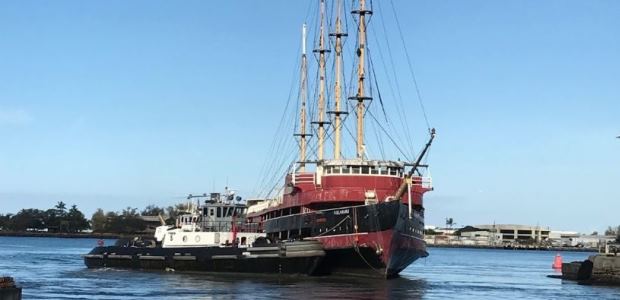
Three vessels that could have posed a risk of sinking during a severe storm recently have been removed, and others have been readied for removal.

"Commercial fishing is one of the most dangerous occupations in British Columbia, and drowning is the leading cause of death among B.C. fishermen," said Patrick Olsen, manager of Prevention Field Services for WorkSafeBC. Between 2007 and 2018, there were 24 work-related deaths in the commercial fishing industry, and 15 of those were drownings, the agency reported.

A limited selection of products will appear gradually in physical or online stores no earlier than mid-December 2019, Health Canada reported. Federal license holders must provide 60 days' notice to Health Canada of their intent to sell new products.

"While any drop in the overall numbers is encouraging, the ongoing daily carnage on our nation's roads eliminates any sense of celebration. We can – and must – do more collectively to accelerate this downward momentum," Jonathan Adkins, executive director of the Governors Highway Safety Association, said in a June 17 statement.