
The meatpacking company experienced a coronavirus outbreak among employees, resulting in a penalty from OSHA.

Episode 26
Editor Sydny Shepard discusses all things hazards, standards and training regarding confined spaces with guest Chris Koester, consultant and owner with Priority One Safe-T, an emergency response and standby rescue services and training firm for industrial and manufacturing companies.

After being postponed due to Coronavirus, OSHA's National Safety Stand Down to prevent falls in construction kicks off this week.

Remote work isn’t likely to go away anytime soon, and neither should the focus on physical and mental health in the workplace.

Episode 25
On this Safety Speak episode of the podcast, we will discuss emerging options for worker healthcare, new virus-related citations in California and a study that links wildfires and flu season.
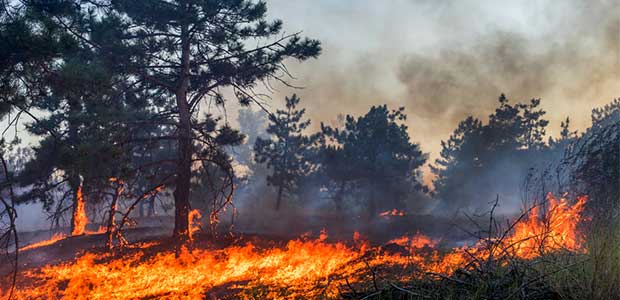
A Montana study has found a link between intense wildfire seasons and a high number of flu cases.

Are you worried about a second wave of COVID-19?
California's Occupational Safety and Health Agency has issued citations to multiple employers for COVID-19 violations.
Episode 24
In this mini episode of OH&S SafetyPod, Editor Sydny Shepard discusses resources National Preparedness Month, the new WHO recommendation for COVID-19 treatment and hazards in the oil & gas industry.

Studies show that steroids could reduce the risk of death for hospitalized patients on ventilators by about a third.

Capital Metro carefully manages complex guidance from OSHA, CDC and City of Austin to reduce COVID-19 exposure and infection.
The question is: Why do workers continue to get injured on the job despite federal standards interjecting?
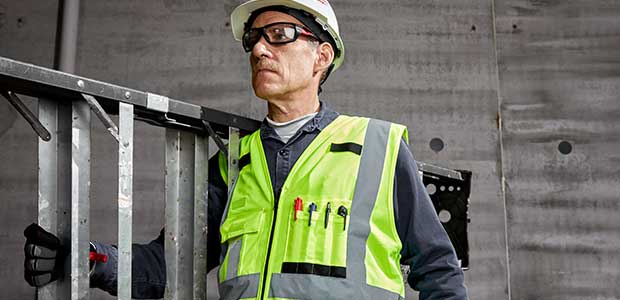
High-visibility vests are under-appreciated and underestimated—especially in an industry such as construction.
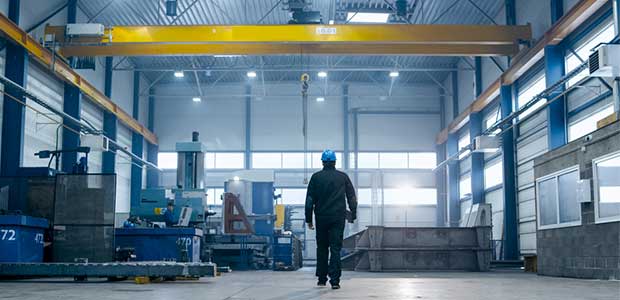
Technological advancements in monitoring methods—especially personal monitoring equipment—have presented unintended possibilities for aiding in the fight against COVID-19 in the workplace.
A deep dive into the NFPA 70E and 2112 flash fire standards, and how you can best use them to fit your workers with PPE.
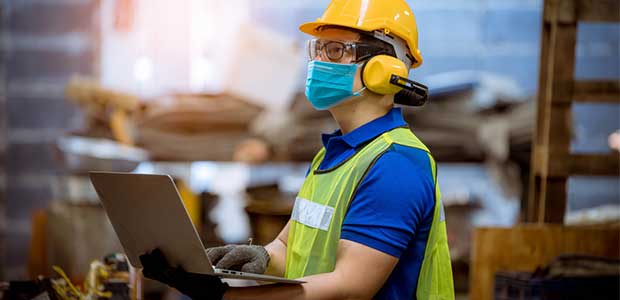
Did you know that the ANSI/ASSP Z10.0 Standard provides a framework for OHS management and industrial hygiene? Here are some tips on how to leverage this standard to better safeguard your workers.

Should we not create a future where equipment enhances a worker’s ability to perform in demanding environments?