
National data shows injuries cluster in a handful of mechanisms. A site that finds its own clusters can act before the next claim is filed.
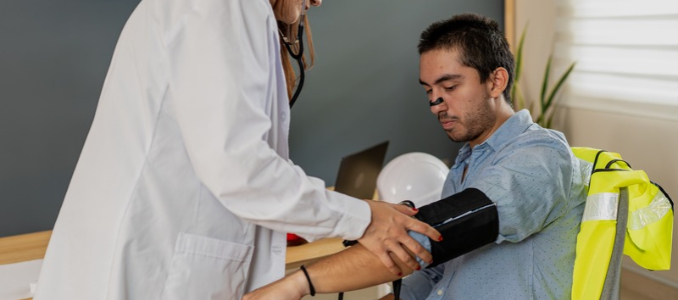
Long shifts, cost, language barriers and privacy worries keep many employees away from wellness offerings. Fixing workplace conditions, widening access and asking workers for input can help.
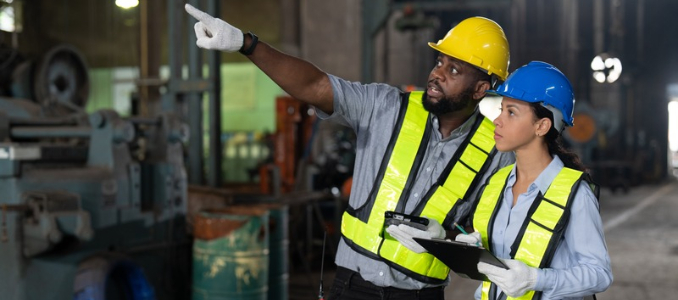
Federal OSHA has no general requirement for a comprehensive written risk assessment, but the European approach offers a practical model for documenting hazards, controls and follow-up.
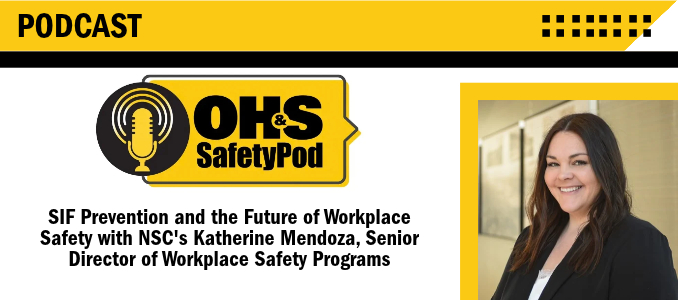
In a new OH&S SafetyPod episode, NSC's Katherine Mendoza discusses how technology, serious injury prevention and emerging workforce risks are shaping the organization's safety initiatives.

Several OSHA standards already require proof that workers understood their training. Scored simulations, on-the-job checks and periodic re-tests can turn VR session data into a record that holds up to an auditor.

Clear roles, realistic drills and supervisors who back protective action can help construction workers respond quickly and safely in the first moments of an emergency.

Board safety reports track outcomes and activity but rarely show whether the ability to prevent serious harm is slipping. Five questions can help safety leaders change that.

As construction overlaps with commissioning, safety leaders need to verify qualifications and assign who communicates each change.

New research reveals gaps in AI adoption across industries as safety leaders work to turn emerging technology into practical tools.

With overdoses still behind about 8% of workplace deaths, an NSC expert explains how recovery support pays off and three steps to take now.
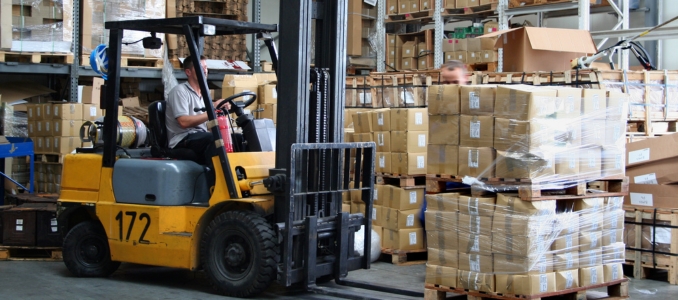
Training gaps, load blind spots, plant noise, cramped layouts and deferred maintenance put forklift operators and pedestrians at risk in heavy industrial plants.
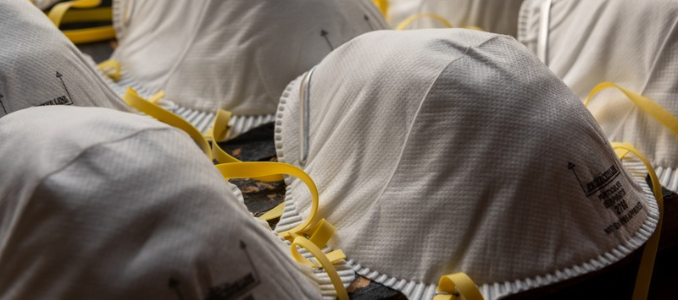
OSHA's proposal to drop required medical evaluations for N95 and loose-fitting PAPR users could ease paperwork, but it also raises questions about screening, program consistency and worker health.

Good shoe tread does more than prevent slips. It gives workers the grip they need to push carts, pull loads and reach safely without losing their footing.
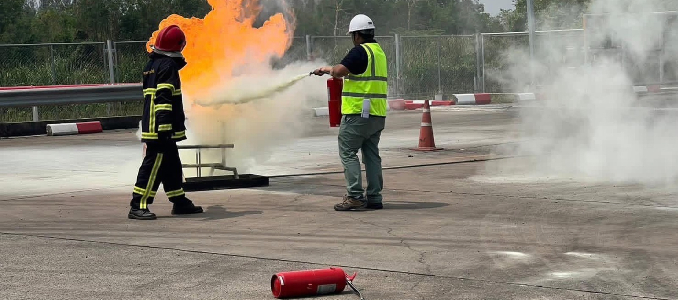
Lithium-ion battery hazards, hands-on extinguisher practice and recurring storage and hot work violations deserve attention for the rest of 2026.

Before a crew can fix a problem, someone has to find it. That search window holds unmanaged risk, and the utility industry may have found the solution to close it.

New safety offerings span impact gloves, winter gear, connected gas detection, fire suppression services and protective fabrics.
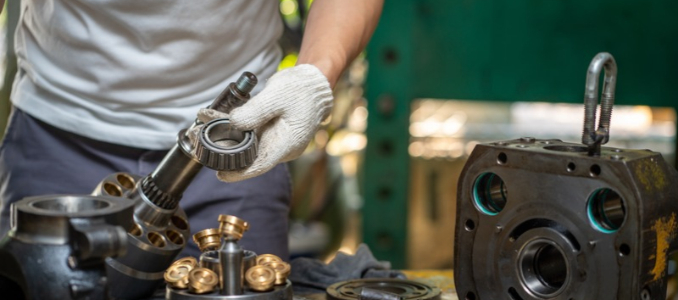
A shrinking pool of skilled technicians is leading to deferred maintenance, less supervised repairs and weaker lockout/tagout and recordkeeping practices, raising both injury and compliance risks.