
Beyond permanent hearing loss, constant background industrial sounds cause dangerous mental fatigue, alarm desensitization and critical communication failures.

Minimizing close calls leaves companies vulnerable to OSHA violations, but shifting to digital safety check-ins captures hazards before injuries happen.
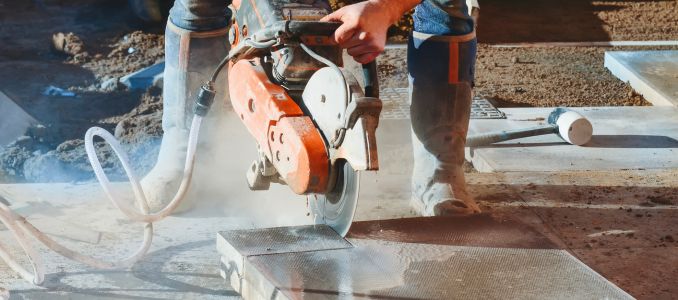
State safety board fast-tracks an emergency rule to protect countertop fabrication workers from incurable lung disease.
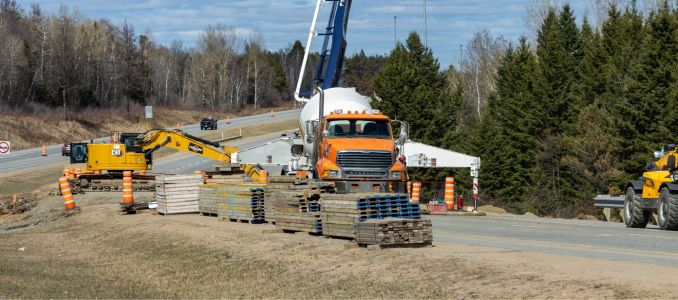
Active work zones remain highly dangerous as safety teams deploy drone imagery, digital navigation alerts and wearable PPE strobes to protect crews.

A safety organization funds projects using artificial intelligence, wearable sensors and robotics to reduce common worker injuries.
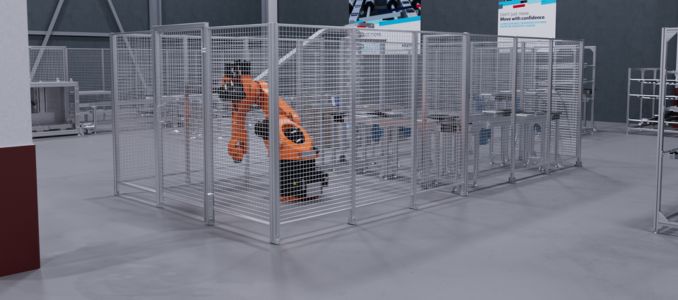
Aluminum framing adapts to the automation era as factory operators use layout software to protect human workers and flexible robotic cells.

Advocates voice deep concerns over sudden firings and layoffs at the federal agency reviewing mine safety disputes.

New research shows deferred recovery and worker burnout act as operational exposure risks that trigger preventable errors and near-misses.

The Nashville facility achieved over 412,000 consecutive hours without a lost-time or restricted-duty workplace injury or illness.

A Jacksonville-based facility will study how extreme heat affects outdoor workforces as federal regulators increase safety inspections.