
With construction workers facing 13 times higher risk of heat-related death, and a hotter-than-normal summer forecast for 2026, safety professionals must prioritize heat stress prevention. Learn to distinguish between heat stress and heat strain, identify early warning signs workers might hide, and implement practical strategies from hydration and acclimatization to shade structures and culture change that protect workers when temperatures rise.

Dynamic noise exposures, low-frequency sound, combined hazards, and compliance challenges are forcing organizations to rethink traditional hearing conservation programs and adopt more comprehensive protection strategies.
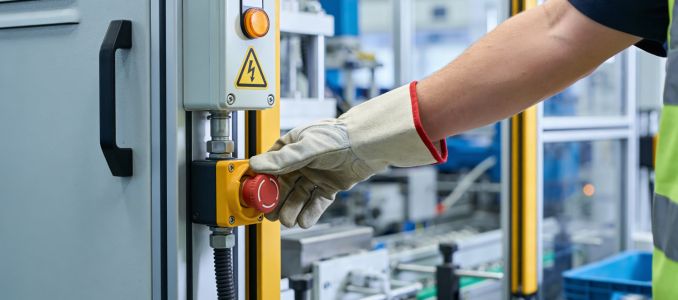
Standardized glove programs may simplify procurement, but they can increase injury risk, reduce worker compliance, and drive up long-term costs. Manufacturers are finding that task-specific hand protection delivers better safety and operational performance.
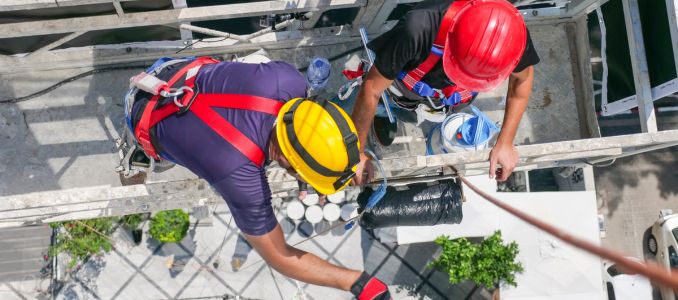
From retrofitting aging facilities to planning inspections and long-term compliance, engineered fall protection systems require careful design, site evaluation, and lifecycle management to protect workers at height.
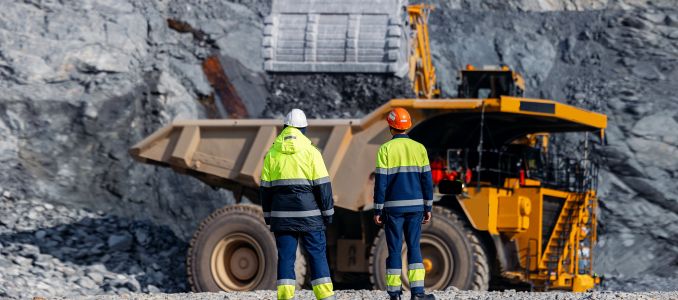
The agency issued separate fatality alerts highlighting hazards involving powered haulage equipment and falling material while investigations continue.

By combining AI, video analytics, and real-time environmental monitoring, predictive safety systems are giving EHS leaders new tools to identify fall risks before workers are exposed to danger.

Timely, transparent communication between clinicians, employers and claims teams is as critical as medical treatment in accelerating recovery and reducing workers' compensation costs.

The latest draft refines employer responsibilities for hazard assessments, training, and incident response.
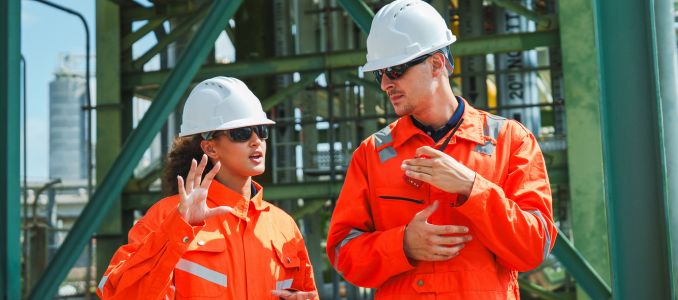
Real-world barriers such as heat, poor fit, and fatigue can undermine even the strongest PPE programs

California safety officials propose $282,420 in penalties following a residential worker's fatal 24-foot roof fall in Westchester.