
VR, AR and AI can expand training opportunities, but physical practice remains essential when workers must handle equipment, coordinate with teams and perform correctly in high-risk situations.

With OSHA's proposed heat rule unfinished but enforcement expanding, the metric an employer chooses to trigger protective action — Heat Index or wet bulb globe temperature — may matter more than the regulation itself.

Electrical safety standards provide a framework, but real-world work doesn't always offer clear-cut choices. Five common gray areas show why understanding the hazard, the task and the worker’s qualifications matter when the right decision is not immediately obvious.

A rushed rollout produces resistance. A focused pilot and transparency on goals produce a program workers trust.
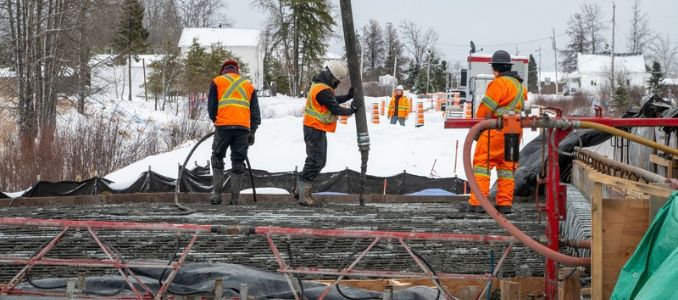
NOAA forecasts a very strong El Niño this winter, giving safety professionals regional guidance to prepare for likely worker hazards.

Moving beyond fear-based messaging and focusing on discovery, participation and personal value can help safety leaders create more meaningful learning experiences.

Changes in the 2027 edition of NFPA 70E strengthen conformity-assessment requirements for arc-rated protective clothing, giving safety managers new reasons to understand the testing, documentation and quality systems behind the PPE their workers rely on.

As HazCom 2024 implementation continues, employers should look beyond document management to ensure chemical inventories, workplace labels, ingredient information and employee training work together to protect workers.

OSHA’s fiscal 2026 list highlights familiar hazards, but the compliance problems behind the numbers offer employers a roadmap for finding weaknesses in their own safety programs.
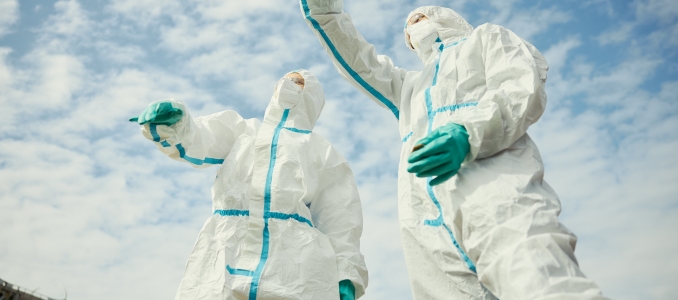
How testing methods and real-world conditions influence protective apparel performance.