
Emerging standards, wildfire smoke, and growing health concerns are pushing facility managers to reassess ventilation, filtration, monitoring and maintenance strategies to protect indoor air quality.

As battery energy storage expands, evolving standards and large-scale fire testing are helping ensure new systems are deployed safely.

Lone professional drivers face unique workplace risks. Research shows how safety culture, targeted training and safer communication practices can reduce crashes and improve driver safety outcomes.
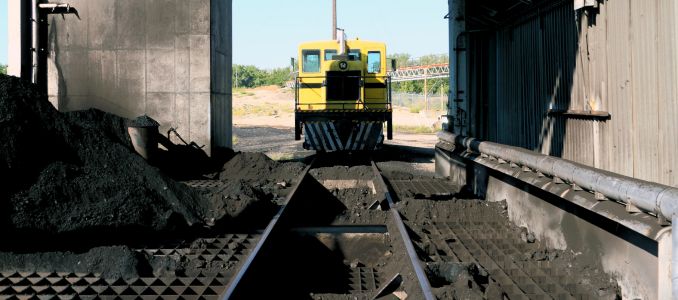
Combustible dust hazards develop when fuel, dispersion and ignition sources align. Understanding NFPA 660 requirements and implementing coordinated controls can help safety professionals prevent incidents and protect workers across dust-generating industries.

Many workplace injuries develop not from catastrophic events but from everyday tasks performed in poorly organized environments. Improving facility design, ergonomics and workspace organization can reduce strain, lower injury risk and improve productivity.
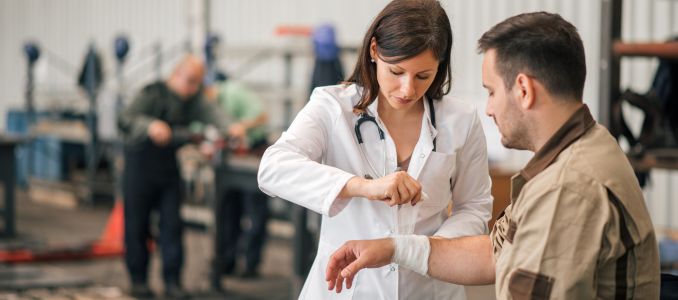
Safety leaders are rethinking employee screening programs as proactive risk management systems. Consistent protocols, centralized data and job-specific evaluations can help detect risks early while improving compliance and workforce readiness.

Advocates and laborers highlight rising workplace fatalities and declining federal enforcement in the 2026 report.

The 110th edition of the international expo marked 60 years of advancing personal protective equipment and industrial safety technology.

The Department of Labor & Industries aims to reduce excavation fatalities by requiring site-specific risk analysis and constant supervision.
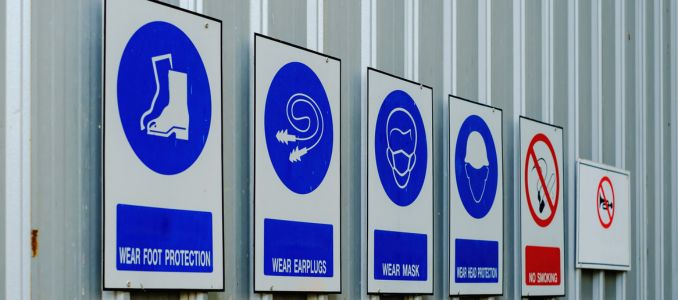
The longtime safety professional receives the Thomas F. Bresnahan Standards Medal for his 40-year career developing workplace safety protocols.