
Safety briefings and workplace posters fail to prevent musculoskeletal injuries because passive learning lacks muscle memory; bridging the gap requires hands-on practice with immediate feedback.
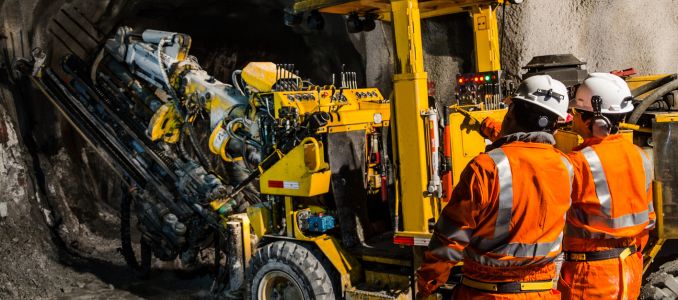
Federal safety officials release best practices after two fatal incidents involving heavy equipment loading and underground roof falls.
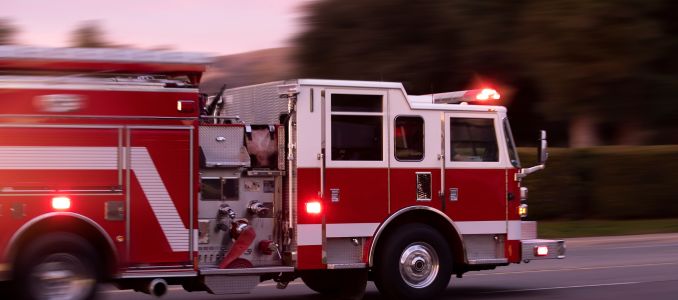
The latest annual report found firefighter fatalities increased 17 percent from the previous year, with heart attacks remaining the leading cause of death and crash-related incidents continuing to pose significant risks.

Revisiting Frank and Lillian Gilbreth’s motion study principles reveals that "therblig" micro-movements aren't just tools for industrial speed; they are the key to eliminating soft-tissue strains and cumulative biomechanical debt.
A roundup of new respiratory pumps, accredited PFAS testing, hazardous-area lighting, safe cutting tools and safety culture insights.
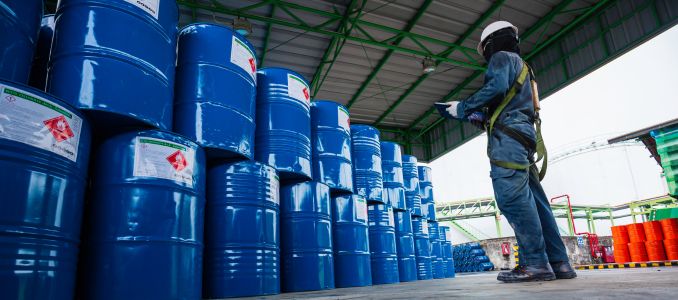
Industry groups ask the EPA and OSHA to align workplace chemical rules and eliminate duplicative standards.
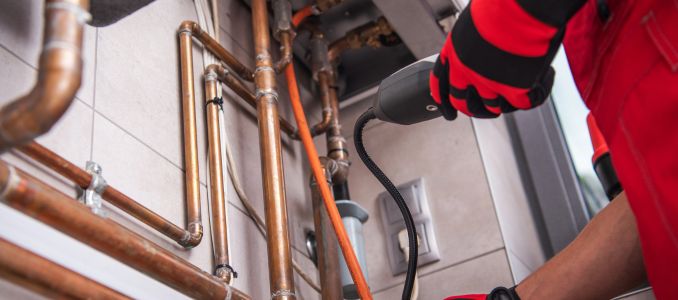
Sensor drift, chemical poisoning, and ambient changes degrade gas detectors over time, making routine bump testing and certified span calibration non-negotiable for atmospheric protection.
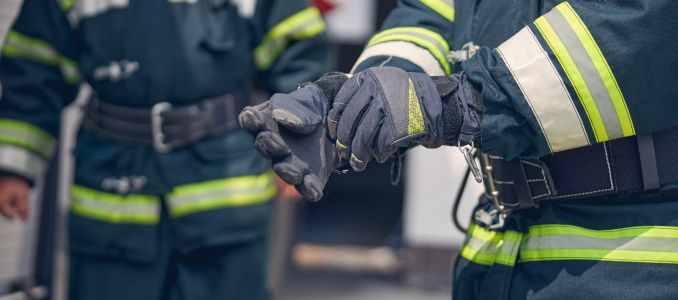
Firefighters in Massachusetts receive new protective suits following a multi-million-dollar city investment and independent fabric testing.

State safety officials urge employers to implement required water, shade and air monitoring measures as extreme conditions return.

Overland Park firm expands nationwide safety compliance and on-site staffing capabilities through two key acquisitions.