New Construction Site Safety Guidelines for Portable Generators
The PGMA highlights the importance of CO-shutoff technology and proper outdoor operation to protect workers from carbon monoxide risks.
- By Jesse Jacobs
- Mar 18, 2026
The Portable Generator Manufacturers’ Association is urging construction professionals to prioritize safety protocols and equipment standards when using portable power on job sites.
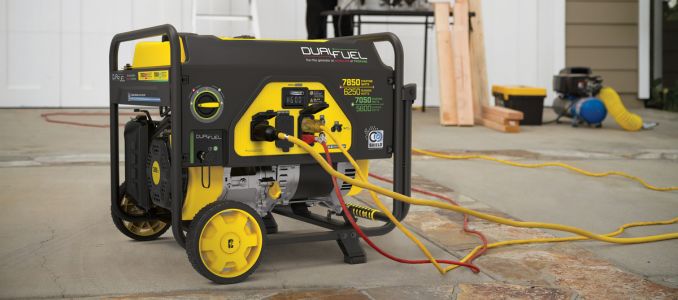
As generators remain essential for early-stage developments and temporary power needs, the association is highlighting the ANSI/PGMA G300 standard. This performance standard requires carbon monoxide shutoff technology, which is designed to automatically stop the engine if CO levels become dangerous.
The latest 2023 update to the standard lowers the shutoff thresholds originally established in 2018. According to the association, this technology is credited with a 99% reduction in fatalities by preventing occupant impairment during accidental misuse in enclosed spaces.
Safety officials emphasize that even with shutoff sensors, portable generators must only be operated outdoors. Units should never be placed inside buildings, trailers, truck beds or tents. Exhaust must be directed away from occupied structures and kept downwind when possible.
The association warns that if any worker feels sick, dizzy or weak while a generator is running, they should move to fresh air immediately and seek emergency medical attention. Following manufacturer instructions is considered a critical component of maintaining job site productivity and worker safety.
About the Author
Jesse Jacobs is assistant editor of OHSOnline.com.