-

Top-only helmets may fall short when an assessment finds side-of-head risks, and a labeled lock works if the label is readable, according to two OSHA letters summarized by AIHA.
Read Now
-
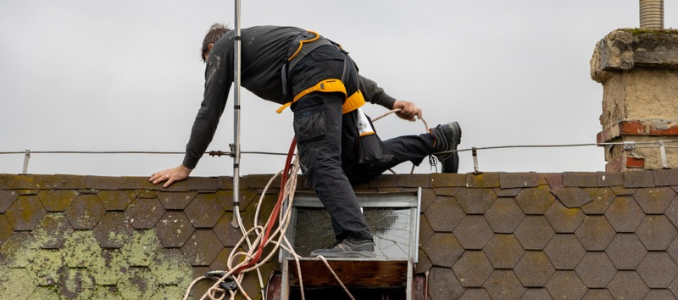
State investigators found an unguarded skylight and said the company had not identified the fall hazard or given workers adequate training on it.
Read Now
-
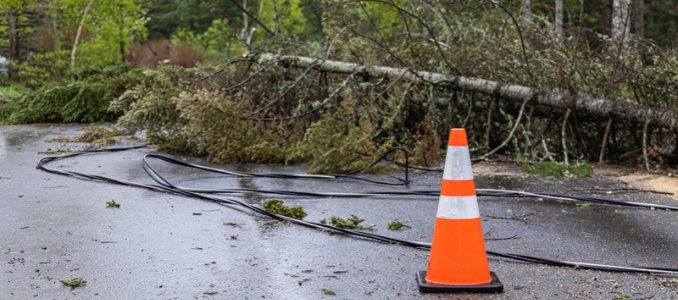
Before a crew can fix a problem, someone has to find it. That search window holds unmanaged risk, and the utility industry may have found the solution to close it.
Read Now
-
New safety offerings span impact gloves, winter gear, connected gas detection, fire suppression services and protective fabrics.
Read Now
-

As robots take on more construction tasks, researchers emphasize the need to address human-robot interactions, equipment hazards and changing jobsite conditions.
Read Now
-
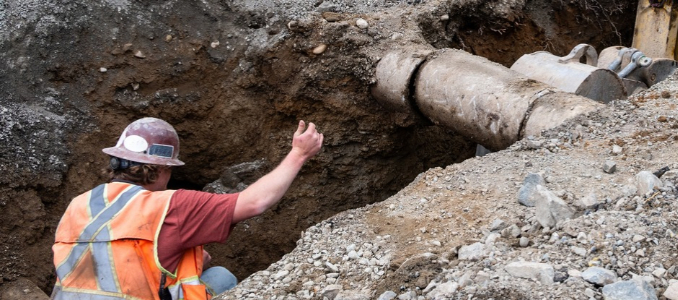
The trench had no cave-in protection or safe way out, workers lacked hardhats, and materials and equipment sat less than 2 feet from the edge.
Read Now
-
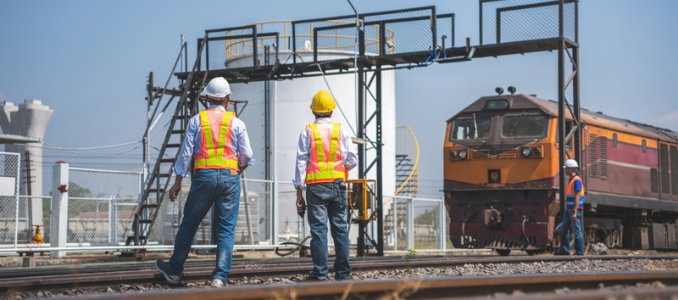
The rail safety nonprofit debuted public service announcements for RV drivers and motorists near transit trains and held its first Emergency Notification System Sign Awareness Day.
Read Now
-
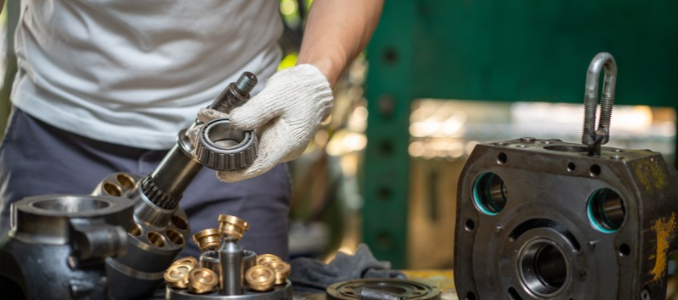
A shrinking pool of skilled technicians is leading to deferred maintenance, less supervised repairs and weaker lockout/tagout and recordkeeping practices, raising both injury and compliance risks.
Read Now
-

A new director of marketing joins the Compliance Products business, and a longtime company leader accepts the director of product management role.
Read Now
-

Safeguards built into the tablet audiometer pause a test when background noise climbs too high, and a new dashboard flags workers with overdue tests or pending retests.
Read Now
-
Digital two-way radios leverage customizable emergency alerts, remote monitoring and automated safety features to protect lone workers and maintain operational continuity.
Read Now
-
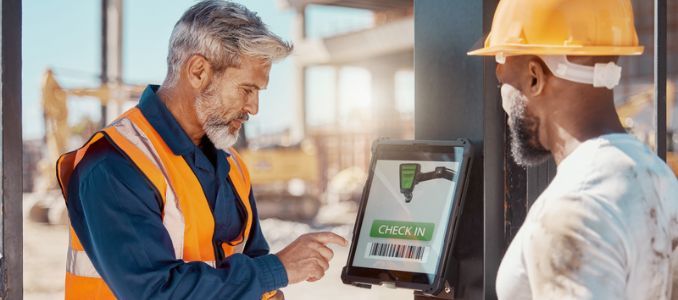
Novara's new Visitor Management module tracks who is on site through the workday and flags any check-in left open more than 12 hours.
Read Now
-
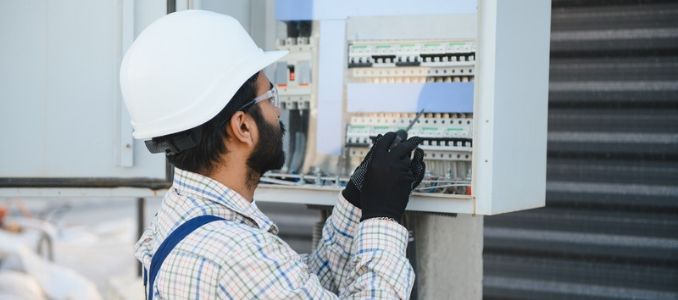
The amendments carry out a law that, since Jan. 1, has required installers on public works projects to be certified through a nationally recognized training program.
Read Now
-
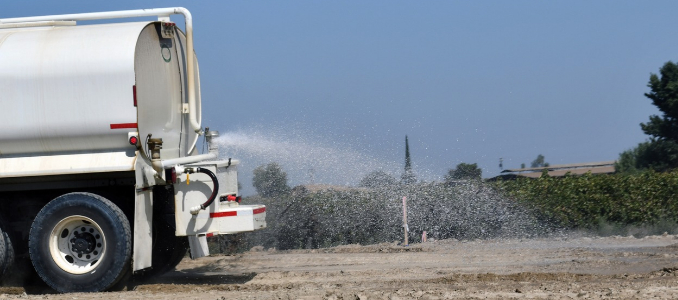
A truck most jobsites already have can wet down fire-prone ground and help control a blaze until firefighters arrive, with a few low-cost add-ons and some crew training.
Read Now
-

Proper placement, visibility during power outages and regular testing can help ensure exit signs support safe workplace evacuations.
Read Now
-

Entries are due Feb. 12, 2027, and the top three in each category win $300 to $500, with matching awards for first-place winners' schools.
Read Now
-
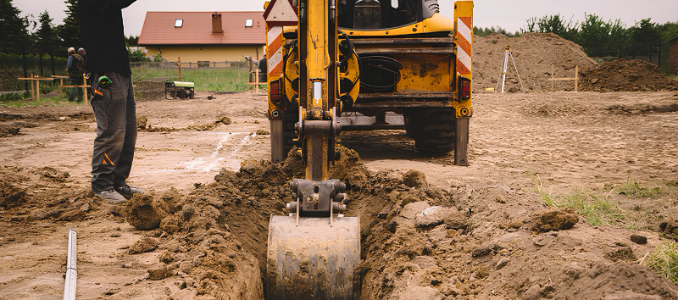
The CGA is reaching out to Spanish-speaking construction, landscaping and fence-building workers.
Read Now
-
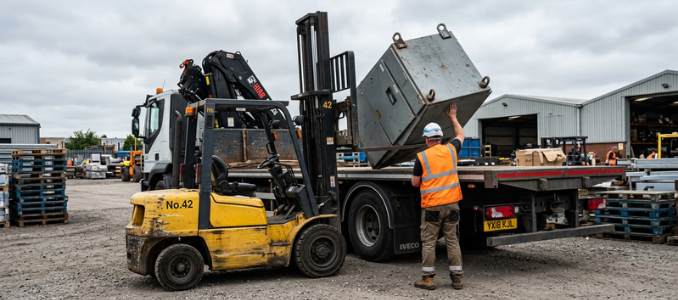
Investigators found no risk assessment, lift plan or worker instructions for a regular loading task, and safer ways to secure or lift the load went unused.
Read Now