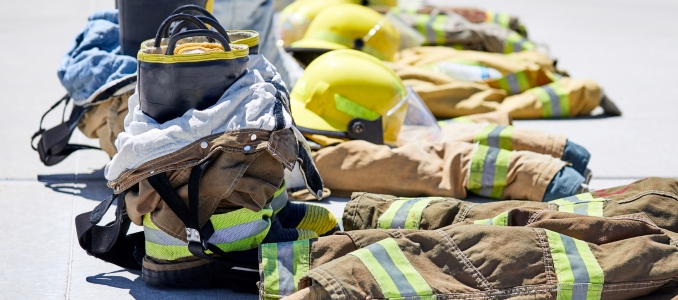
Planned resources for the firefighter toolkit, which is still in development, include train-the-trainer materials and educational guides.
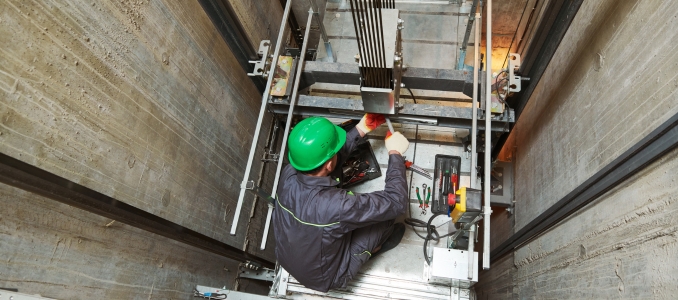
State data underscores the importance of equipment inspections and safe operation across workplaces and public facilities.

The Tennessee agency urges employers to inspect parking areas and address lighting, pavement and vehicle hazards.

Revised guidance emphasizes threat assessment, early intervention and management accountability to improve workplace safety.
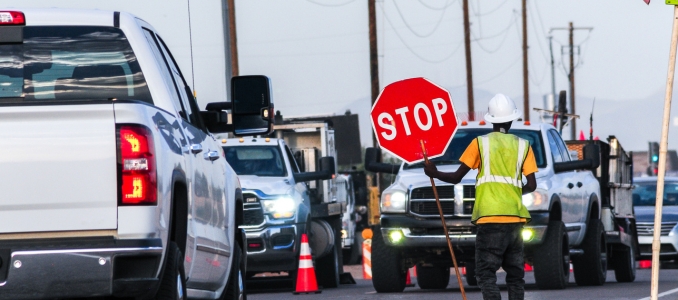
Drivers can help protect utility workers by reducing speed, changing lanes when safe and staying alert near roadside operations.
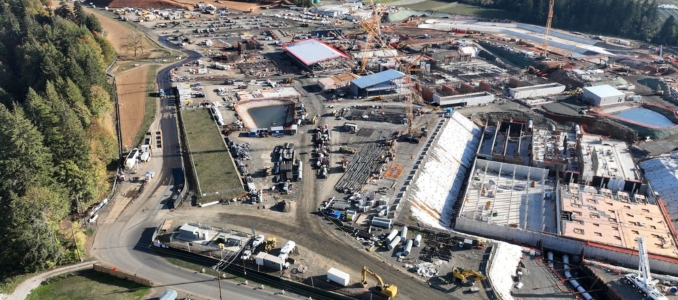
No lost-time injuries or accidents occurred during the filtration facility site's first three years, and evaluators pointed to its top-to-bottom safety culture.
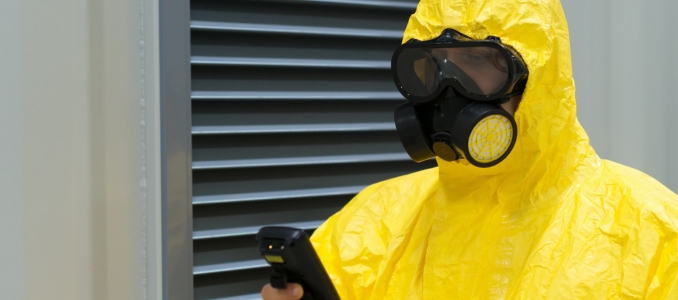
The Department of Energy said an experimental tritium shot at Sandia National Laboratories led to unplanned radiation doses for a small group of workers.
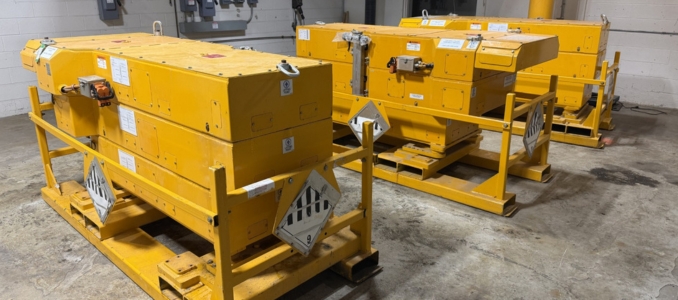
Earlier research tested only medium-sized battery packs, and DOE said the study's findings could help inform emergency planning and occupational safety and health underground.
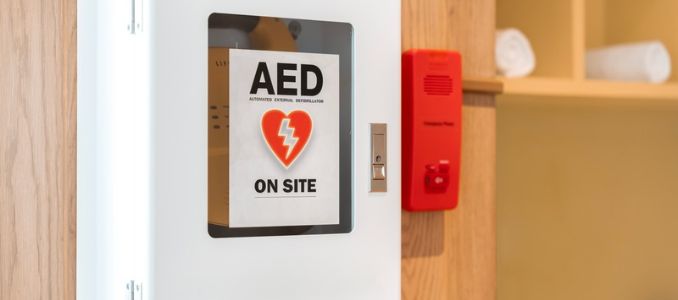
A 25-year-old employee died following an electrical incident during equipment maintenance at a Berlin manufacturing facility.

Virginia and ASSP invite young workers to submit workplace safety videos for cash prizes.
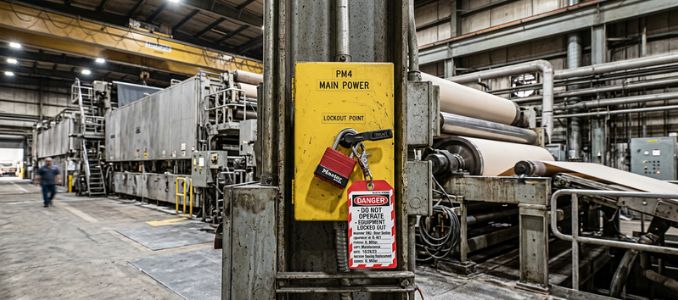
Investigators identified inadequate machine guarding and lockout/tagout failures in a worker's death.
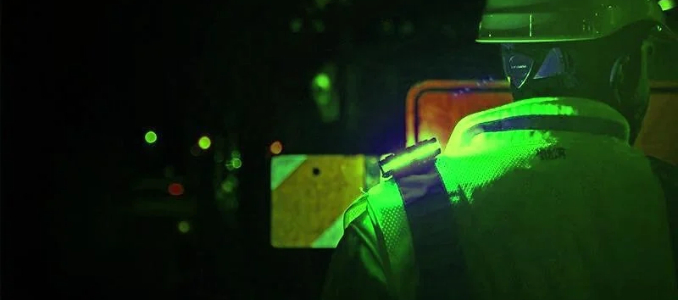
About 1,100 wearable safety lights have been distributed statewide to improve crews’ visibility at night and in poor weather.

Washington L&I highlights ways to address seasonal depression and support employee well-being in winter.

Industrial respondents report low participation, while EHS software users cite higher reporting rates.

A wireless gas detection monitor earned second place in the annual awards, which recognized more than 84 products from 52 companies.

Expoprotection covers risks from occupational health and safety to fire and security, with conference themes such as digital risk management and prevention culture.
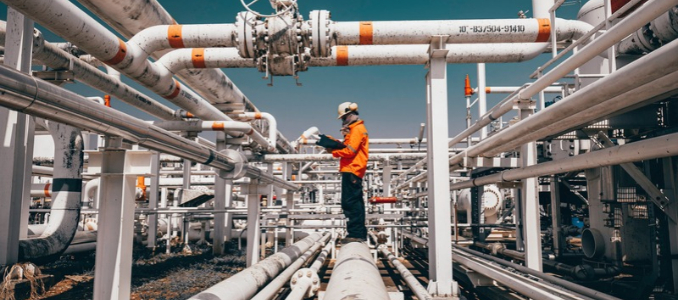
The agency says workers lacked protection from hot pulp and engulfment, and a pulp system was left out of a required hazardous materials piping safety program.