An OSHA guide helps define work-related asthma, informs you why you should care and tells you what to do if you have asthma from work.

The coronavirus pandemic and its social distancing, work-from-home implications had many experts worry that Americans would become overwhelmed with loneliness. While mental health and loneliness have definitely worsened, people are surprisingly good at staying connected, studies show.

Healthcare is hard to come by in America without a salaried job, and many with hourly wages and preexisting health conditions are more worried about unemployment than coronavirus. Here’s why the sickest and most vulnerable might be coming to work first.

The pandemic is still here, but domestic helpers and housekeepers need to work and families want the services. How do both parties resume work safely? The answer is about trust, safety and communication.
With coronavirus, social distancing and work-from-home orders, we have to get creative on how to connect with coworkers and stay healthy. People are beginning to hold “walking meetings” at six feet apart to kill multiple birds with one stone.

Frontline healthcare workers face enormous amounts of stress, and burnout is common. Here are six ways you can facilitate emotional wellbeing for your healthcare workers—just by rethinking the environment they work in.

Recent studies have shown that a number of factors like income, gender and race increase a person’s risk of contracting COVID-19 or suffering from the pandemic. It is important that employers understand these risks they can better protect their workers.

A recent study looked at the top risk behaviors among workers in construction, and the results indicate that construction workers may benefit from targeted interventions and health programs to address workplace-specific hazards.

Face coverings are recommended across the country and required in many places. But how do you know what type of mask, or fabric, is best? Here’s a user guide to understanding your options.

Back in May, “hero” pay for essential workers largely ended. Now, unemployed individuals are making more than many essential workers who are wondering what they are worth.

Hospitals and healthcare facilities are working overtime to keep up with the increasing numbers of coronavirus patients coming in, and in some areas, hospitals are at near full capacity. While healthcare workers are trying to do their jobs and stay healthy with limited staff and PPE, many are facing threats and fearing for their own safety.
Another ASSP Safety show has come and gone, and OH&S has enjoyed participating—even virtually. OH&S Live From sponsor, Columbia Southern University (CSU), delivered an impressive amount of resources, tips and course guides despite the unprecedented circumstances.
Diabetes affects many workers, and it's important to know how to prioritize their health and manage unique risks.

The world today seems far from "normal." However, managers and employers need to understand how to implement the "new normal" for their workers through leadership, communication and input.
With summer comes increased risk of heat-related illness for workers. Employers need to recognize and mitigate these hazards, but Cal/OSHA’s news release can serve as a good guide.
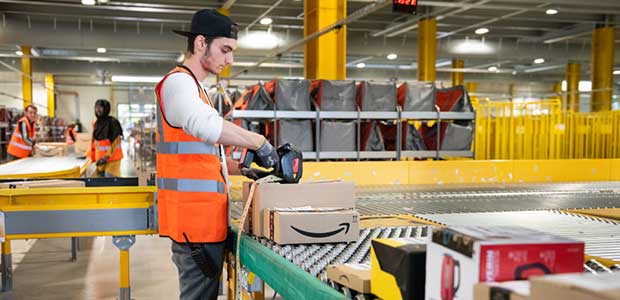
A dispute has erupted over Amazon’s withholding of government-mandated logs of injuries and illnesses at its warehouses. A federal judge calls it disturbing, but Amazon says it’s commercially sensitive.
A handful of speakers talked about human error during the three days of ASSP Safety 2020 Virtual. Here are some of the trends and key takeaways.
Before sending employees on any trips, business managers have to make the health of employees a top priority and take measures to ensure their safety.

Summer heat will affect everyone, but it will be particularly hard on those working in agriculture, spending long hours outside in the blistering temperatures.

On-site clinics are increasingly popular in workplaces, and for good reason. Not only do employees need to monitor their physical and ergonomic health, employers save money by protecting their workers.