The EU agency is trying to find a method for controlling drones' risk to commercial aviation, privacy rights, and even general aviation.
Sometimes electrical equipment must be installed in areas where combustible vapors and gases are used or may be present. These are commonly referred to as "hazardous locations" and are defined by the National Electrical Code (NEC) in the United States.
The OSHA proposal has support from Materion, the nation's primary beryllium product manufacturer.
Maine becomes one of five states that manage their own health and safety programs programs for state and local government employees as approved by OSHA.
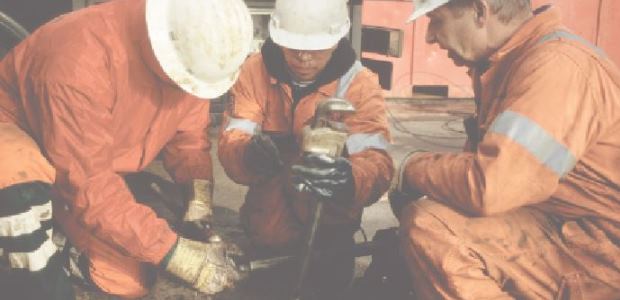
Appropriate PPE choices, along with a comprehensive safety program, can save lives, reduce injuries, and diminish long-term business costs.
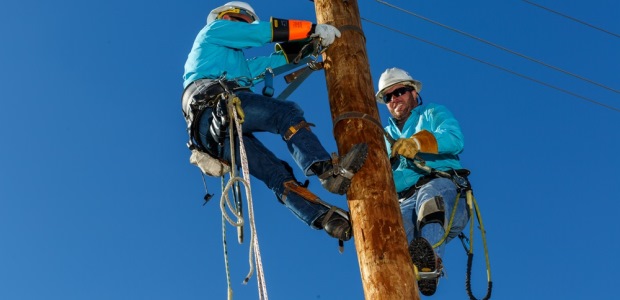
Special attention must be paid to remain in compliance with NFPA 2112, NFPA 70E, and now OSHA 1910.269.
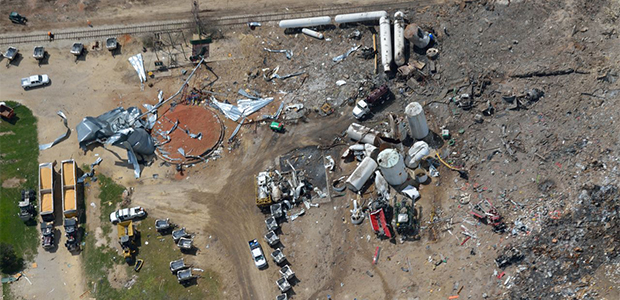
The new 2016 edition says existing AN storage facilities of non-combustible construction should be retrofitted with automatic fire sprinklers.
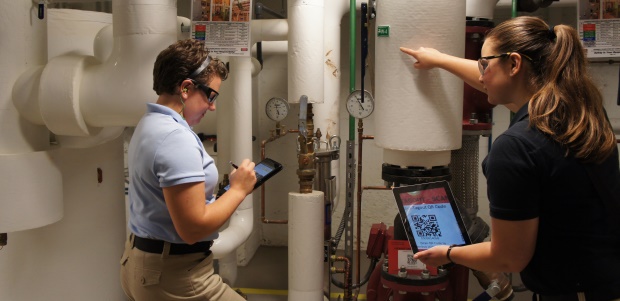
Companies can adapt quickly to engineer in efficiency and safety.
During the nearly 18 months in which the new HOS provisions were in effect, the GAO report found evidence of reduced driver fatigue and increased roadway safety: fewer fatal crashes, fewer drivers working the maximum schedules, and no increase in crashes during the 5 a.m. to 9 a.m. morning rush hour.

Duty holder corporations must prepare a written corporate major accident prevention policy that establishes the overall goals and arrangements for controlling the risk of a major accident for its installations in external waters and outside the European Union.
The online tool helps workers report accidents, illnesses, and injuries.
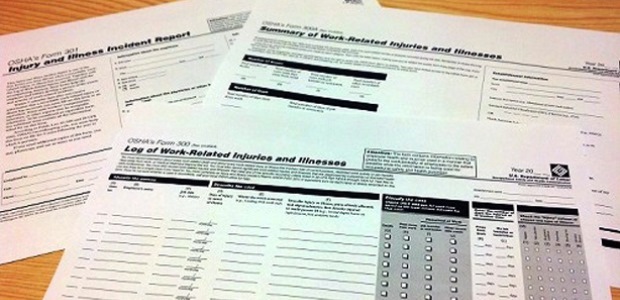
More than three years after a federal appeals court ruled that OSHA must cite an employer for failing to record an injury or illness within six months of the first day on which the regulations require the recording, OSHA now intends to revise 29 CFR part 1904 to "clarify that the duty to make and maintain accurate records of work-related injuries and illnesses is an ongoing obligation."
The Federal Aviation Administration has proposed a $173,100 civil penalty against Eaton Corporation Aerospace Operations of Irvine, Calif., after finding that the company violated drug and alcohol testing regulations.
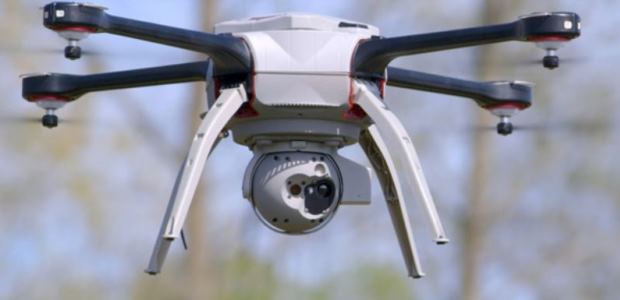
Operators who want to fly their unmanned aircraft operations over people and property must obtain consent from the individuals or property owners beforehand or get an operating permit from the Civil Aviation Authority of New Zealand.
The safety board said in a letter that Amtrak should install crash-and-fire-protected audio and image recorders in the cabs of all of its trains.

Until Oct. 2, a "temporary enforcement period" is in effect: OSHA will not issue citations to employers who make good faith efforts to comply with the new standard.
Kemper Valve & Fittings faces $71,000 in proposed fines.
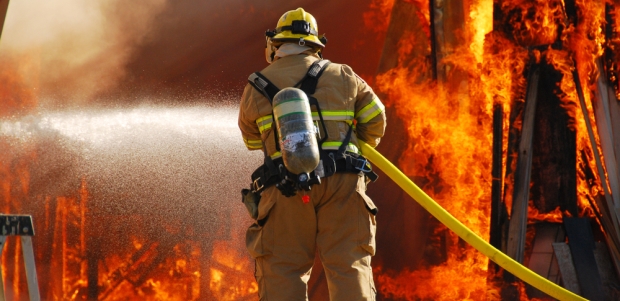
NFPA wants public input by July 6 on the standard, which addresses fire departments' occupational safety and health programs.

It is important to note that any documents produced can be utilized to issue citations, thus, the employer should not produce any documents unless required by law.
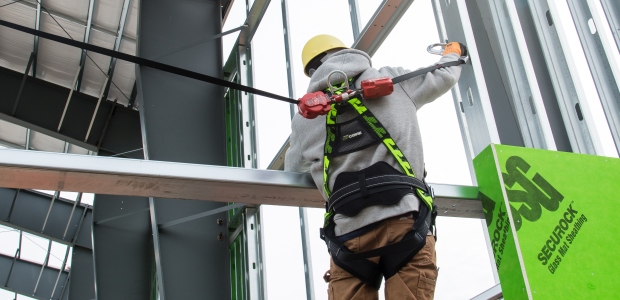
All workers exposed to falls should be trained by a competent person to recognize fall hazards and to be familiar with available control methods and equipment.