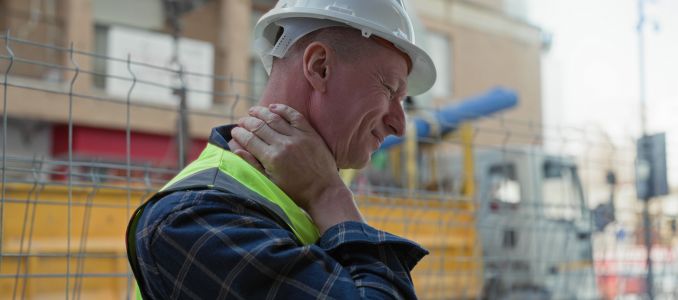
Revisiting Frank and Lillian Gilbreth’s motion study principles reveals that "therblig" micro-movements aren't just tools for industrial speed; they are the key to eliminating soft-tissue strains and cumulative biomechanical debt.

A roundup of new respiratory pumps, accredited PFAS testing, hazardous-area lighting, safe cutting tools and safety culture insights.
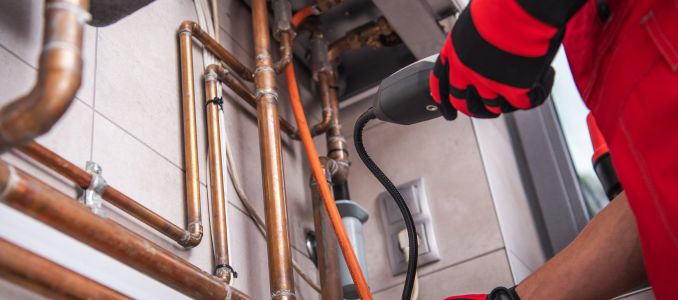
Sensor drift, chemical poisoning, and ambient changes degrade gas detectors over time, making routine bump testing and certified span calibration non-negotiable for atmospheric protection.
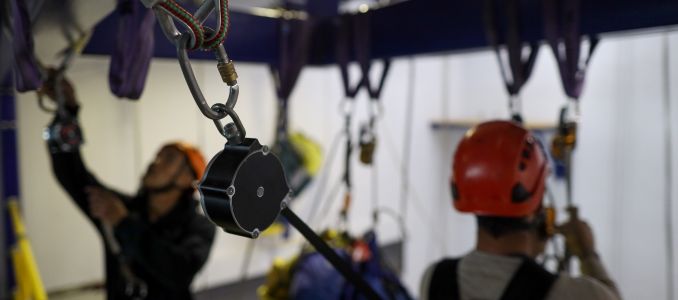
Personal protective equipment alone does not prevent height-related fatalities; combining standard hardware fundamentals with proactive behavioral planning creates a resilient site safety culture.

Rising climate volatility forces industrial safety leaders to shift from reactive compliance toward engineered resilience using specialized anti-slip surfaces, precision climate systems, and continuous environmental monitoring.

Preserving evidence, separating witness interviews, and auditing immediate vs. root causes within the initial day of an accident transforms a workplace tragedy into a structured prevention protocol.

Treating extreme heat and severe storms as continuous business risks rather than seasonal disruptions allows EHS teams to automate work-rest cycles, protect workers, and safeguard down-market logistics.

Treating safety as an operational operating system rather than a compliance checklist prevents dangerous field complacency during periods of fluctuating federal oversight.
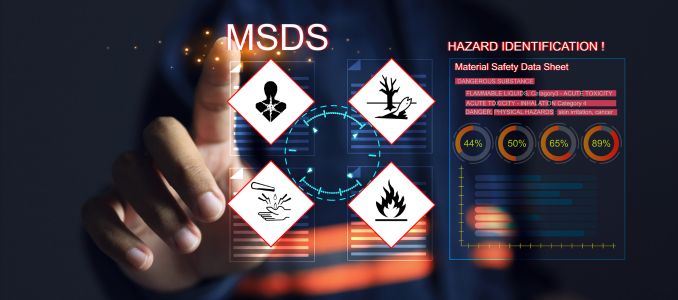
Space-constrained chemical containers are transitioning to cloud-connected QR codes and NFC tags to bypass physical label limitations and secure instant safety data access.
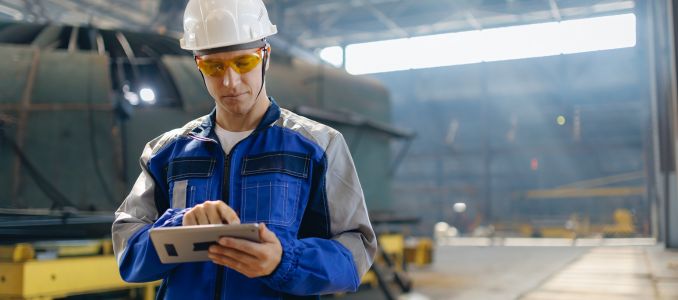
Modern flame-resistant and arc-rated garments integrate modacrylic fibers and moisture-wicking technology to maximize field compliance without compromising stringent NFPA standards.
Avetta's Scott DeBow discusses why safety leaders are moving beyond compliance, adopting systems-based safety management, and prioritizing serious injury and fatality prevention across today's increasingly complex contractor workforce.
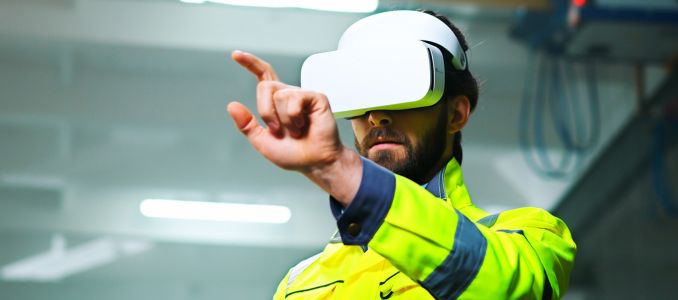
As industrial environments become more complex, immersive simulation and intelligent visualization can help safety teams improve training, communication and emergency preparedness before workers face real-world hazards.
Assistant Secretary of Labor David Keeling shares insights on heat stress, AI, Safety Champions and OSHA's evolving role in workplace safety.
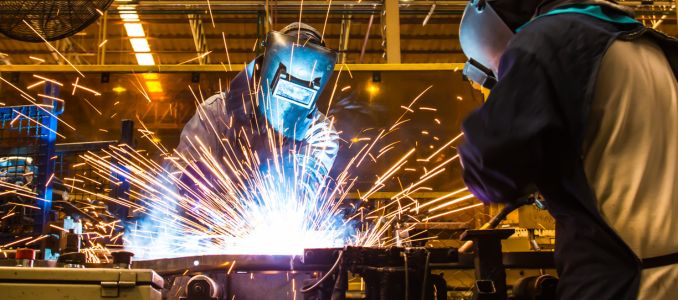
Comfort, fit and usability are reshaping welding PPE programs as safety leaders recognize that workers are more likely to consistently wear equipment that reduces fatigue, heat stress and physical strain while still protecting against serious hazards.
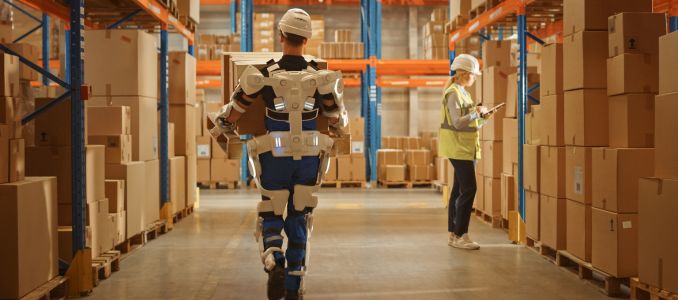
Safety wearables can reduce strain and fatigue, but without structured training and worker buy-in, even the most advanced solutions fall short in high-demand industrial environments.

As industrial environments grow more dynamic, safety programs are shifting toward real-time visibility, leading indicators and integrated systems to identify risk earlier and prevent incidents before they occur.

Many safety programs lose momentum after launch. By shifting focus to behavior-based recognition, frequent engagement and interactive program design, organizations can sustain participation and strengthen safety culture over time.