
With an average of 250 fire calls each year, quick response is vital to keep fires from spreading, says Brad Hukreide, fire chief at the Lewiston, Idaho, paper mill.
There is simply no substitute for a properly conducted, objectively administered, blind wear test.

The first few seconds are crucial. The chemical needs to be washed off by means of a 15-minute drenching as soon as possible to minimize damage.

The first thing we think of with respect to accommodations are for those with mobility impairment, but what about workers with hearing impairment?

A multi-layered program uses innovative practices and “checks & balances” to achieve the highest industry standards.
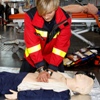
Its effectiveness at improving CPR depends on the type of feedback that is given, the nature of that feedback, and when and how it is given, says researcher Carolyn L. Cason.
With a mix of planned and unexpected recognition, you can maintain participation and your recipients will maintain interest.

Encouraging companies to better engage with their employees leads directly to a positive ROI for those companies and Uncle Sam, as well.
At this year's big customer show in Orlando, Grainger CEO Jim Ryan introduced a new mobile website to make online ordering from the company's catalog of 900,000 products even easier and faster.
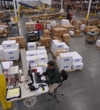
"I think the key is getting unified information off of one database that is consistent and can be shared across the country," said David Levin, vice president of hardgoods for Airgas, Inc.
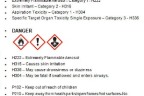
Many EH&S professionals are unlocking the hidden value in their SDS data, and so can you.

This year's ASSE gathering in Denver will be something of a jungle, booked to the rafters.
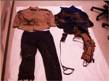
With arc flash, there's too much at stake to take shortcuts. Avoid incidents and investigations through prevention and protection.

A new SMS regulation for FAA 139 airports is under review.
A focus on compliance, comfort, and overall eye health allows premium protection to appeal to industrial customers.
In both summer and winter, steamed-up safety glasses and helmet lenses are problems in most welding environments, but solutions are available.
Mr. Safety, be sure to create those relationships with your front-line managers and production employees and conduct a complete hazard assessment.