
Incorporating games into the wellness program structure makes sense as the next engagement strategy.
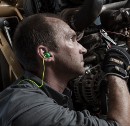
The real issue is not that hearing protection has played second fiddle to other PPE products, but that there is a lack of education regarding noise-induced hearing loss.

FMCSA is taking comments until Sept. 19 on the association's request, which would exempt about 68,000 drivers who spend less than half of their on-duty time actually driving.
A quick take-away from a landmark study of benzene exposure and cancer among petroleum workers: Defending trace benzene lawsuits will be more challenging.
Control banding is likely the most well-developed risk management strategy proposed for use with nanomaterials to date.
Employers must continue to focus on forklift safety training and consider the use of multiple safety devices, such as strategically placed signs, painted aisles, and guarded walkways.

Because these two fields approach their objectives with different assumptions, priorities, and methods, coordination is not common.
This is the toughest drug problem facing safety professionals today.
Don't hesitate to give employees the knowledge and tools to make decisions.
By 2020, Global NCAP's goal is for all new cars to meet the UN crash test regulations with airbags, anti-lock brakes, and electronic stability control fitted as standard.
Indoor air quality can be improved by controlling the sources of VOC emissions.

DUI checkpoints, "no refusal" enforcement, and strict enforcement of all traffic laws are some of the tools highway patrols will be using during the Aug. 30-Sept. 2 holiday period.

OSHA will be able to enforce some safety and health standards not currently covered by FAA oversight.
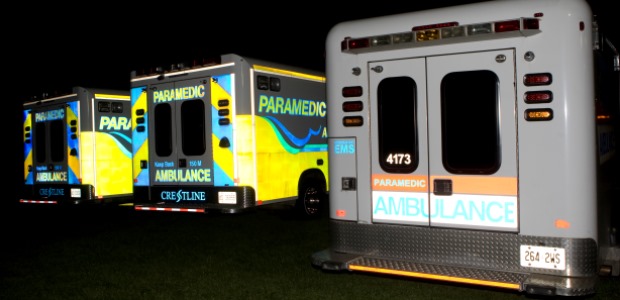
The Northumberland County EMS has begun using three new ambulances with lime green coloring and highly reflective prismatic material to make them more visible, especially at night.
All sterile drug products made and distributed by NuVision Pharmacy of Dallas may still pose a serious risk to patients, according to the agency.
Two are now in clinical trials and involve replacement skin grown in a lab and a “spray-on” skin process, according to a report by Terri Moon Cronk of American Forces Press Service.