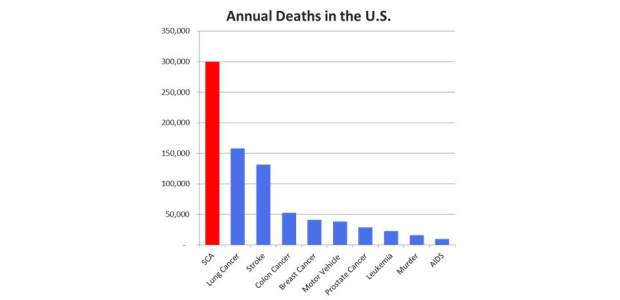
Given the known prevalence of SCA, prudence dictates recognizing cardiac arrest in the safety planning process.
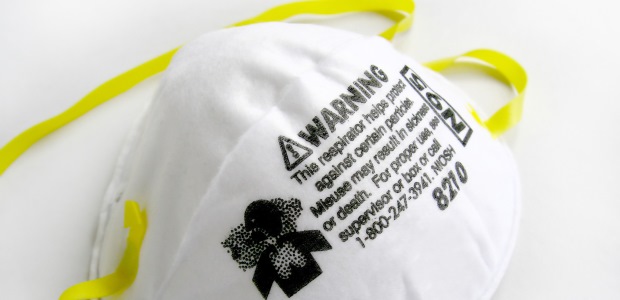
OSHA's respiratory regulations require that you have a written program outlining your company's usage of respirators. The program needs to be reviewed annually.
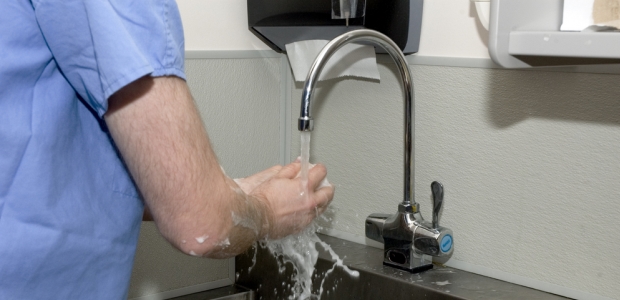
We all feel the hurt when employee health is not addressed.

According to OSHA, 40 percent of all janitorial injuries involve eye irritations or burns; 36 percent are skin irritations or burns; and 12 percent are the result of breathing fumes.
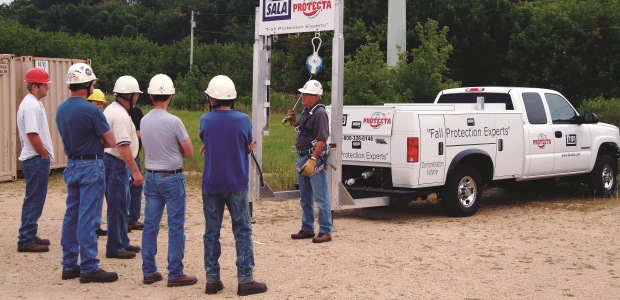
This is a perfect time for employers to become more familiar with ways in which they can protect their workers from head, face, and eye injuries.
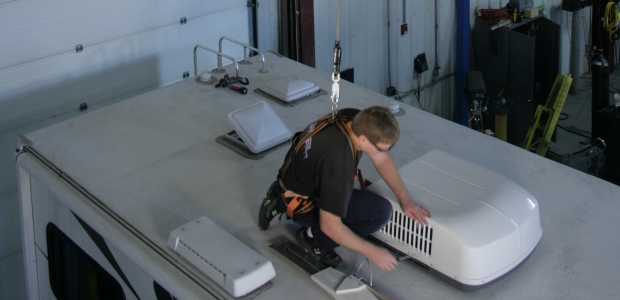
According to ANSI standards, fall protection equipment should be inspected by the user before each use and inspected at least once a year by a competent person.
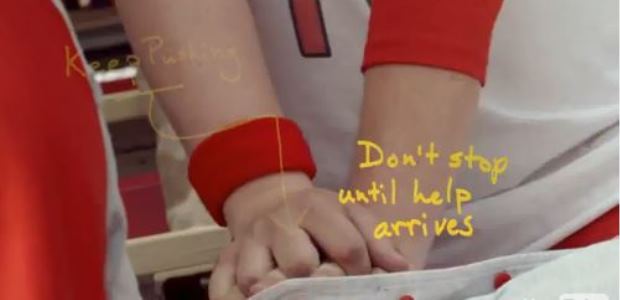
The latest research, best practices, and results show these life-saving devices are appropriate for workplaces everywhere.

When respirators are used to lower exposure to respirable crystalline silica, employers must establish a written respiratory program meeting the requirements of 29 CFR 1910.134.

Vandalism, car thefts, and impaired driving increase on the spookiest night of the year.

The unmatched size of recently built cruise ships -– which already skate by on safety inspections -– worries many in the safety industry.

More than 1,600 exhibitors from 55 countries have book a record amount of floor space for the Nov. 5-8 trade fair and congress in Dusseldorf, Germany.

Calling it the world's largest supercomputer for commercial research, the energy giant said HP and Intel helped it increase its computing power to more than 2.2 petaflops, almost doubling its capability this year.

The agency has posted annotated PELs tables showing how its current permissible exposure limits differ from Cal/OSHA, NIOSH, and ACGIH exposure limits and also a toolkit employers can use to choose safer alternative chemicals.

The goal of the effort by the Philadelphia Insurance Companies is to help businesses avoid serious slips and falls during the fall and winter.

Beneficiaries of the TRICARE health plan at several military bases also can participate in the 7th National Prescription Drug Take-Back Day on Oct. 26.

The Oct. 29-31 meeting in Rockville, Md., will review proposed guidance related to emergency classification, notifying the public about an emergency, and protective actions.

This year's edition is the third annual Cold Crew Contest by the companies.