
With the proper training, personnel, and comfort with your equipment, you can mitigate many of the potential risks.

Risks abound, but glove technologies are eliminating compromises between performance and protection.
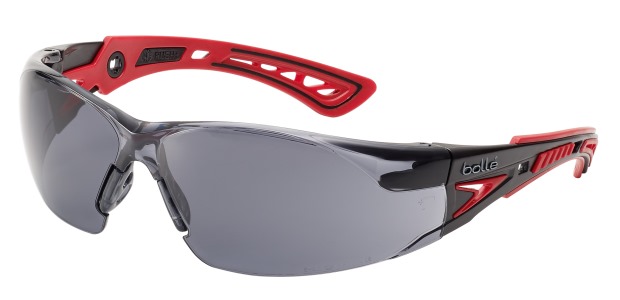
Effects of the four most common categories of glare range from minor annoyance to temporary loss of vision.

Advanced glove materials prevent job site hand injuries that impact a contractor's selection.
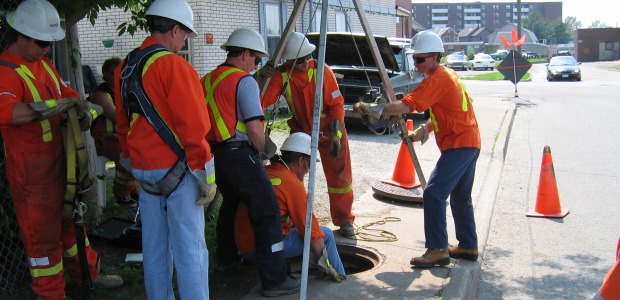
Employers must educate employees on the hazards of their work but also make every attempt to remove the hazards before exposing workers to them.

Appropriate PPE choices, along with a comprehensive safety program, can save lives, reduce injuries, and diminish long-term business costs.

Fogging is the number one vision-related barrier to wearing safety eyewear in the workplace. Hot weather can increase the risk of injury.

Three new wrinkles in the expo this year are a European pavilion, an NSC networking lounge, and an Emerging Trends pavilion.
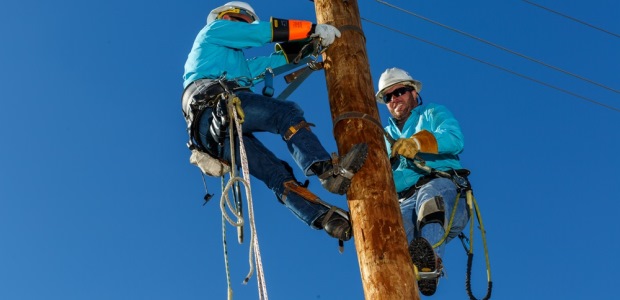
Special attention must be paid to remain in compliance with NFPA 2112, NFPA 70E, and now OSHA 1910.269.
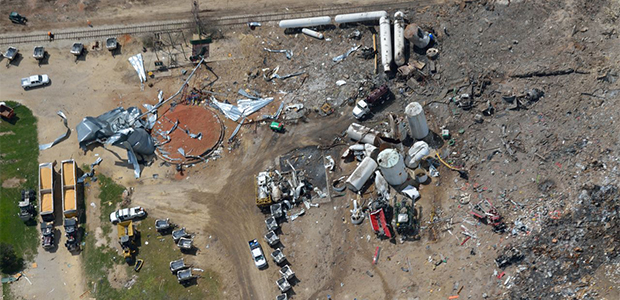
The new 2016 edition says existing AN storage facilities of non-combustible construction should be retrofitted with automatic fire sprinklers.
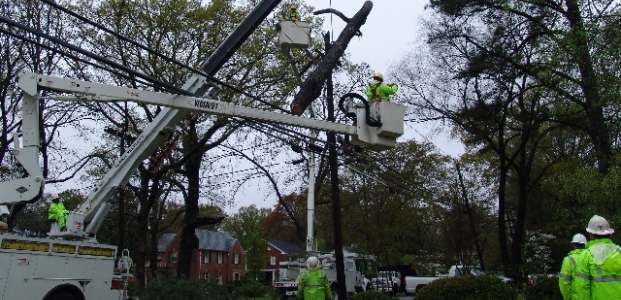
The design and features of rainwear can have a significant impact on how functional it is and its overall user acceptance.

A minor mistake or improperly placed object can send a room up in smoke. As tedious as it may seem, a welder should always do a spot check for combustible objects within the welding vicinity.
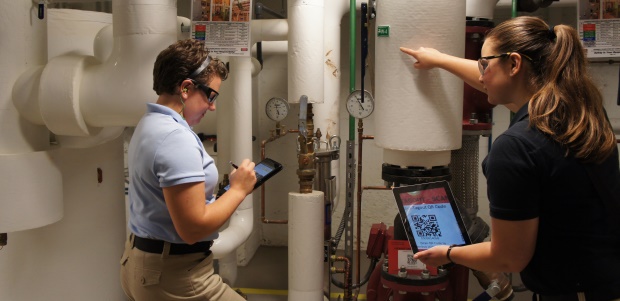
Companies can adapt quickly to engineer in efficiency and safety.

Duty holder corporations must prepare a written corporate major accident prevention policy that establishes the overall goals and arrangements for controlling the risk of a major accident for its installations in external waters and outside the European Union.
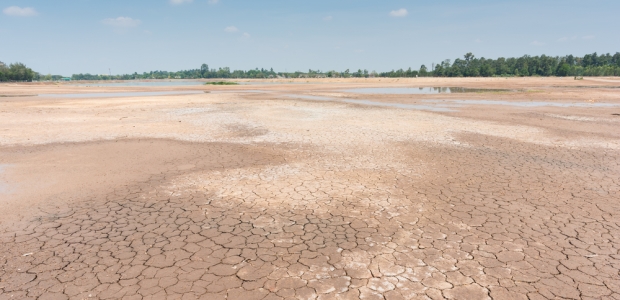
Drought can affect air quality and increase the incidence of illness and disease, according to the agency. Currently, parts of California, Oregon, Idaho, Montana, and Nevada are experiencing extreme or exceptional drought.
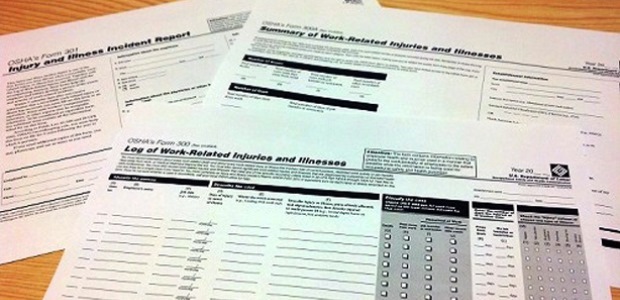
More than three years after a federal appeals court ruled that OSHA must cite an employer for failing to record an injury or illness within six months of the first day on which the regulations require the recording, OSHA now intends to revise 29 CFR part 1904 to "clarify that the duty to make and maintain accurate records of work-related injuries and illnesses is an ongoing obligation."
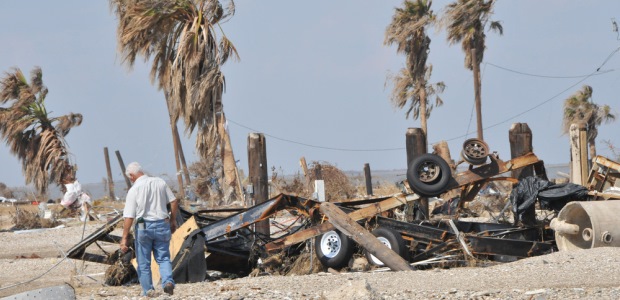
"Especially as we approach the most active part of hurricane season, the best time to prepare is now, before a storm is imminent," said DPS Director Steven McCraw. "Early and adequate planning makes all the difference when a hurricane or severe weather threatens an area."