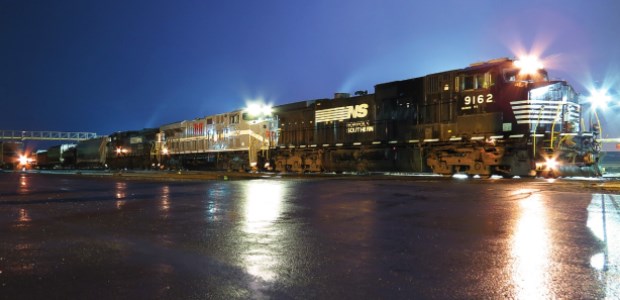
NS is not the only railroad unable to meet the Dec. 31 PTC deadline. Its announcement said PIH commodities already in transit on Dec. 1 will be delivered by Dec. 31. Despite investing nearly $1 billion to date, Norfolk Southern won't meet the deadline, it said.

The U.S. Coast Guard began managing ship movements through critical, congested ports with shore-side radar stations after two tankers collided under the Golden Gate Bridge in January 1971 and the Bridge to Bridge Radiotelephone Act and the Ports and Waterways Safety Act of 1972 were enacted.
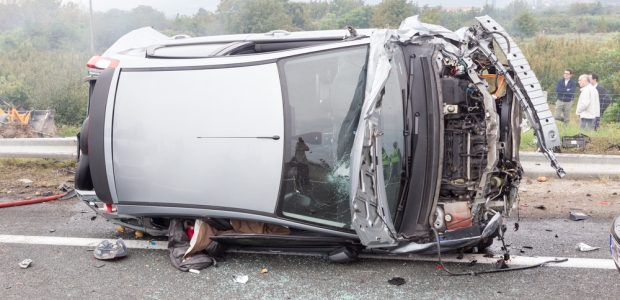
"Road traffic fatalities take an unacceptable toll, particularly on poor people in poor countries,” said Director-General Dr. Margaret Chan. "We're moving in the right direction. The report shows that road safety strategies are saving lives, but it also tells us that the pace of change is too slow."

The American Heart Association guidelines say these community programs could increase bystander CPR.

The change from 10 to 6 feet would be effective Jan. 1, 2017. Also, slide guards could no longer be used as a primary fall protection system as of Oct. 1, 2017.
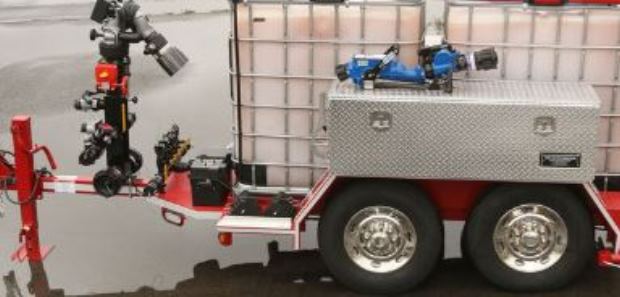
The state Division of Homeland Security and Emergency Services will place the trailers near population centers located along major rail lines and waterways throughout the state.

Nebraska Railcar Cleaning Services has been cited for more than 30 violations after incident. The company faces penalties of $963,000, and OSHA has placed it in its Severe Violator Enforcement Program.

The goal of any safety program is to change behavior and it takes time for employees to fully adopt new safety skills.

Nearly 19 million Americans, mostly Californians, are registered to participate, along with millions more worldwide.

"While this report summarizes the research and data available, it also highlights how much remains unknown," said the report's author, Dr. Jim Hedlund. "For example, we still don't know with certainty how much of a specific drug will cause impairment or if such a relationship can even be defined. Many states do not have the data to measure their drug-impaired driving scope or characteristics."

During the week, Sinclair stations will air fire preparedness stories and provide safety tips to its audience through social media and online. The company has 164 TV stations in 79 U.S. markets.

"MSHA's heightened vigilance during this period will focus additional resources on preventing accidents at both intermittent and full-time mining operations, and we will look hard for the conditions that have led to mining deaths," said Joe Main, assistant secretary of labor for mine safety and health.

The agreement exceeds $20 billion and contains billions of dollars in claim settlement funds for five states, Attorney General Loretta Lynch announced. "Once approved by the court, this agreement will launch one of the largest environmental restoration efforts the world has ever seen," she said.

A shipment of irradiated liquid HEU fuel from a research reactor located in Tashkent was shipped to Russia, IAEA announced.

The Enforcement Weighting System values routine inspections as one Enforcement Unit and more complex categories at up to eight Enforcement Units. The values were set based on historical data, according to the administrator.

Many initiatives start out strong but eventually lose momentum and become the next "flavor of the month."

The "best" confined space gas detector doesn't come from any one manufacturer; it's the instrument that best fulfills the requirements for your confined space program.